
Omega 3 in Seafood: Which Fish Actually Delivers, and How Much
Omega 3 in Seafood: Which Fish Actually Delivers, and How Much
TL;DR: Small oily fish are the best source, and by a long way. Sardines, mackerel and salmon carry ten times the omega 3 of lean white fish. Two serves a week of something oily covers it, and sardines are the cheapest way there.
"Eat more fish for the omega 3" is advice that skips the most important detail, which is that the gap between species is enormous. A fillet of flathead and a fillet of sardine are both fish, and one of them carries roughly fifteen times the omega 3 of the other.
If you are eating fish specifically for the health benefit, the species matters far more than the frequency.
What omega 3 actually means here
Three fatty acids get grouped under the label and only two of them come from seafood.
EPA and DHA are the marine ones. These are the forms the body uses directly, and they are what the research on heart, brain and inflammatory health is built on. Fish is essentially the only meaningful dietary source.
ALA is the plant version, found in flaxseed, walnuts and canola. The body converts a small fraction of it into EPA and DHA, at a rate low enough that plant sources cannot reasonably substitute for fish.
When a fish is described as high in omega 3, what matters is the combined EPA and DHA per hundred grams.
The ranking
Approximate combined EPA and DHA per 100 grams of cooked fish. Figures move around with season, diet and whether the fish is farmed, so treat these as tiers rather than precise numbers.
Very high, above 1.5 grams Sardines, mackerel, herring, Atlantic salmon, trout, and fresh bluefin or yellowfin tuna belly.
Moderate, roughly 0.5 to 1.5 grams Sockeye and other wild salmon, ocean trout, mullet, kingfish, and fresh tuna loin.
Low, roughly 0.2 to 0.5 grams Barramundi, snapper, bream, squid, mussels, oysters and prawns.
Very low, under 0.2 grams Flathead, whiting, ling, cod, crab and scallops.
The bottom two tiers are still excellent food. They are lean, high in protein, low in saturated fat and full of selenium, iodine and B12. They just are not an omega 3 strategy.
Sardines are the value answer
If the goal is omega 3 per dollar, nothing else comes close.
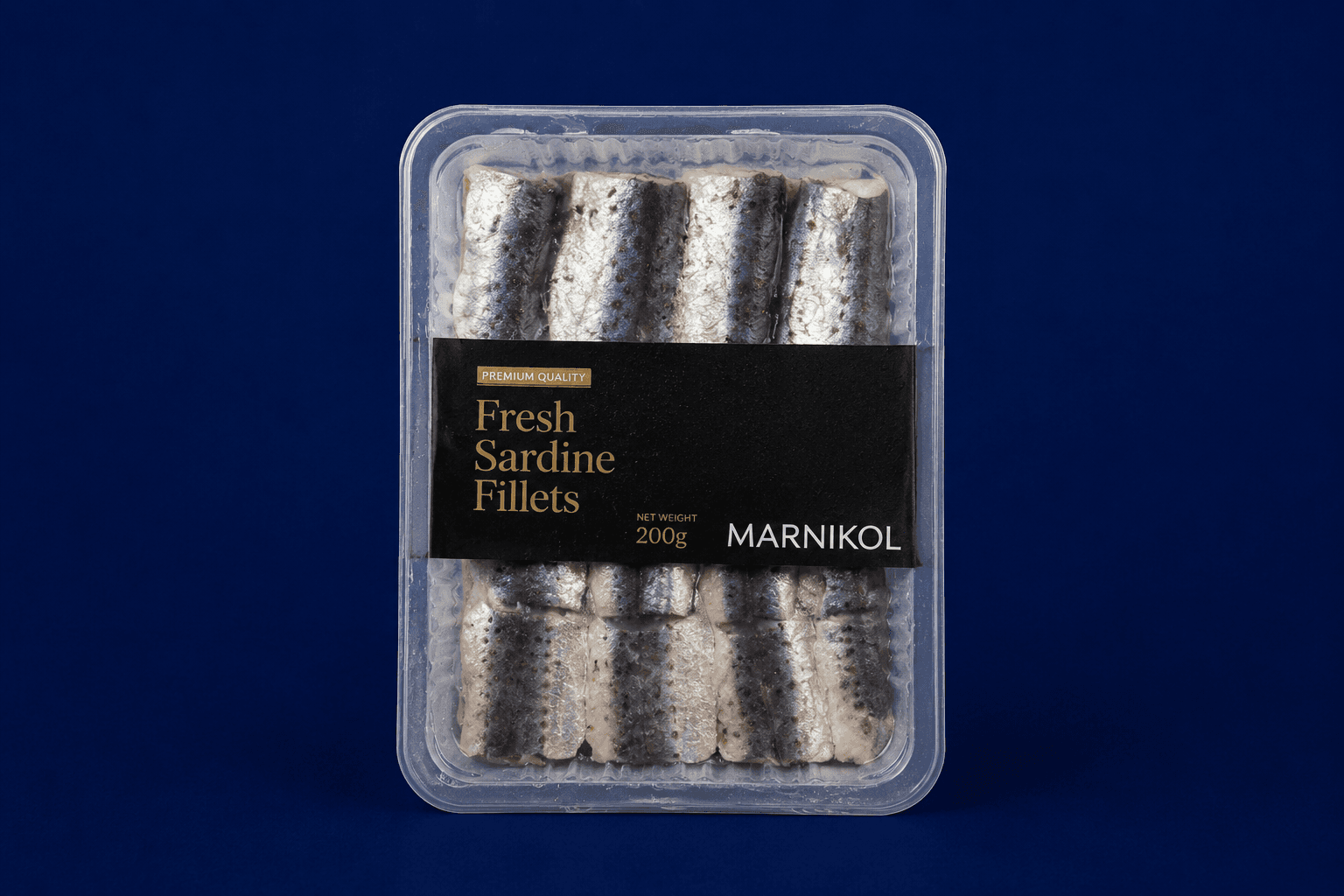
Sardines carry around two grams per hundred grams, which puts them at the top of the list alongside fish that cost several times as much. They are small, they are fast growing and they sit low in the food chain, which also means they accumulate far less mercury than the large predators.
The obstacle is that most Australians have only met them as a mushy tin. Fresh sardine fillets grilled for ninety seconds a side with lemon and salt are a completely different food, and one worth trying before writing the species off.
Mackerel is the same argument. Cheap, oily, strongly flavoured, and enormously good for you.
How much, and how often
Two to three serves of fish a week, with at least one or two of those being oily. A serve is roughly 150 grams cooked, which is one standard fillet portion.
In practice:
- Salmon twice a week does it comfortably.
- Three tins of sardines across the week does it for a few dollars.
- Fresh sardines or mackerel once, plus salmon once, does it and is more interesting.
- White fish five nights a week does not do it, however healthy the meals are otherwise.
Pregnant women are advised to eat two to three serves a week of low mercury fish, which includes salmon, sardines, prawns and most of the common white fish, while limiting shark, swordfish, marlin and large predatory species. Check current national advice rather than relying on a blog post for that one.
Mercury, briefly
Mercury accumulates up the food chain, so the rule is simple: small, fast growing, short lived fish carry the least.
Sardines, mullet, whiting, flathead, prawns and farmed salmon are all at the low end. Large long lived predators such as shark, swordfish, marlin and southern bluefin tuna are at the high end and are the ones worth limiting rather than eliminating.
For most people eating a normal amount of ordinary seafood, this is not a concern. It matters for pregnancy and for young children, where the advice is specific and worth following properly.
Shellfish deserve better than their reputation
Prawns, oysters and mussels are not big omega 3 sources, but they carry other things worth having.
Oysters are the densest natural source of zinc in the food supply, and they carry serious iron and B12. Mussels are one of the highest food sources of B12 there is, and they are cheap. Prawns are lean protein with a good dose of selenium and iodine.
The old worry about shellfish and cholesterol has been largely set aside, since dietary cholesterol has far less influence on blood cholesterol than saturated fat does, and shellfish are very low in saturated fat.
Fresh, frozen or tinned
Nutritionally, the difference is small.
Frozen fish keeps its omega 3 essentially intact. Snap frozen at sea is often nutritionally superior to fresh fish that has spent four days in transit.
Tinned fish holds up well. Tinned in oil retains slightly more omega 3 than tinned in brine, since some of it migrates into the packing liquid, so use the oil in the dressing rather than pouring it down the sink.
Fresh wins on texture and flavour, which is a good enough reason on its own. It does not win on omega 3.
Cooking without wasting it
Grill, bake, steam or pan fry. All of these keep most of the omega 3 where it belongs.
Deep frying is the one to watch. The fish absorbs a significant amount of the cooking oil and the fat profile of the finished dish shifts towards whatever you fried it in. Battered fish is a good meal and a poor omega 3 delivery mechanism.
Do not overcook oily fish. Beyond the loss of texture, a lot of the fat renders out and ends up in the pan rather than on the plate.
Quantity Planning
A serve for omega 3 purposes is 150 grams cooked, which is roughly 180 to 200 grams raw.
Weekly targets per adult: Two oily serves: about 400 grams of raw salmon, sardines or mackerel. Three serves: about 600 grams.
For a family of four hitting two oily serves each, that is about 1.6 kilograms of oily fish a week. A tray of sardine fillets and two salmon portion packs covers it for less than most people expect.
Where to Source It
Tasman Star carries sardine fillets, salmon portions, whole salmon, ocean trout, mullet and tuna, which covers the top of the omega 3 list in one counter. If you have never cooked fresh sardines, ask the team for fillets rather than whole fish and grill them hard and fast. Ask what oily fish came in fresh that morning, since these species are at their best the day they land.
Find us at 5 to 7 Olsen Ave, Labrador or 20 Casua Dr, Varsity Lakes, open 7 AM to 6 PM, 7 days.
Browse oily fish and salmon and order online for Gold Coast delivery.
Written by
The Tasman Star Team · Gold Coast fishmongers
Articles from the fishmongers at Tasman Star Seafood. We source, fillet and sell fresh seafood on the Gold Coast seven days a week, and everything we publish comes from what we handle in the shop.
Fresh seafood delivered to your door
Order online from Tasman Star Seafood, Gold Coast delivery, open 7 days.
More Seafood Articles
The Seafood Grazing Board: How to Build One That Actually Works
Seafood grazing boards have taken over Gold Coast entertaining. Here is what goes on one, how much to buy per person, and the order to assemble it so nothing goes warm.
TrendsOne Pan and One Bowl Seafood Dinners for Busy Weeknights
Fast, low mess seafood dinners built around a single pan or a single bowl. Tray bakes, rice bowls and skillet dinners ready in under 30 minutes.
TrendsCrudo and Poke Bowls at Home: The Raw Bar Trend Hitting Gold Coast Kitchens
Restaurant style crudo and poke bowls are the standout home seafood trend of 2026. Here is how to build them with sashimi grade kingfish, tuna and salmon.