
The Seafood Grazing Board: How to Build One That Actually Works
The Seafood Grazing Board: How to Build One That Actually Works
TL;DR: Cold seafood only, built on crushed ice, assembled in the last fifteen minutes. Allow 300 grams a head as a main, 150 grams as part of a spread. Put out half and hold the rest in the fridge.
The grazing board has quietly replaced the platter as the default way Gold Coast households entertain, and seafood is the version that gets photographed. It suits the climate, it suits the way people eat standing up, and it means nobody is stuck in the kitchen while the party happens without them.
It also goes wrong in predictable ways. Boards that look magnificent for ten minutes and tired for the next two hours. Boards where everything is beige. Boards that ran out before half the guests arrived.
Here is how to build one that holds up.
Cold only, and why
The single biggest structural decision is that a seafood grazing board should be entirely cold.
Hot items warm everything they touch. A tray of salt and pepper squid in the middle of a board raises the temperature of the prawns next to it, the oysters go flat, and the whole thing slides towards room temperature within twenty minutes.
Serve hot food separately, on its own plate, brought out fresh. The board stays cold and the fried things stay crisp. Both are better for the separation.
The five things that carry a board
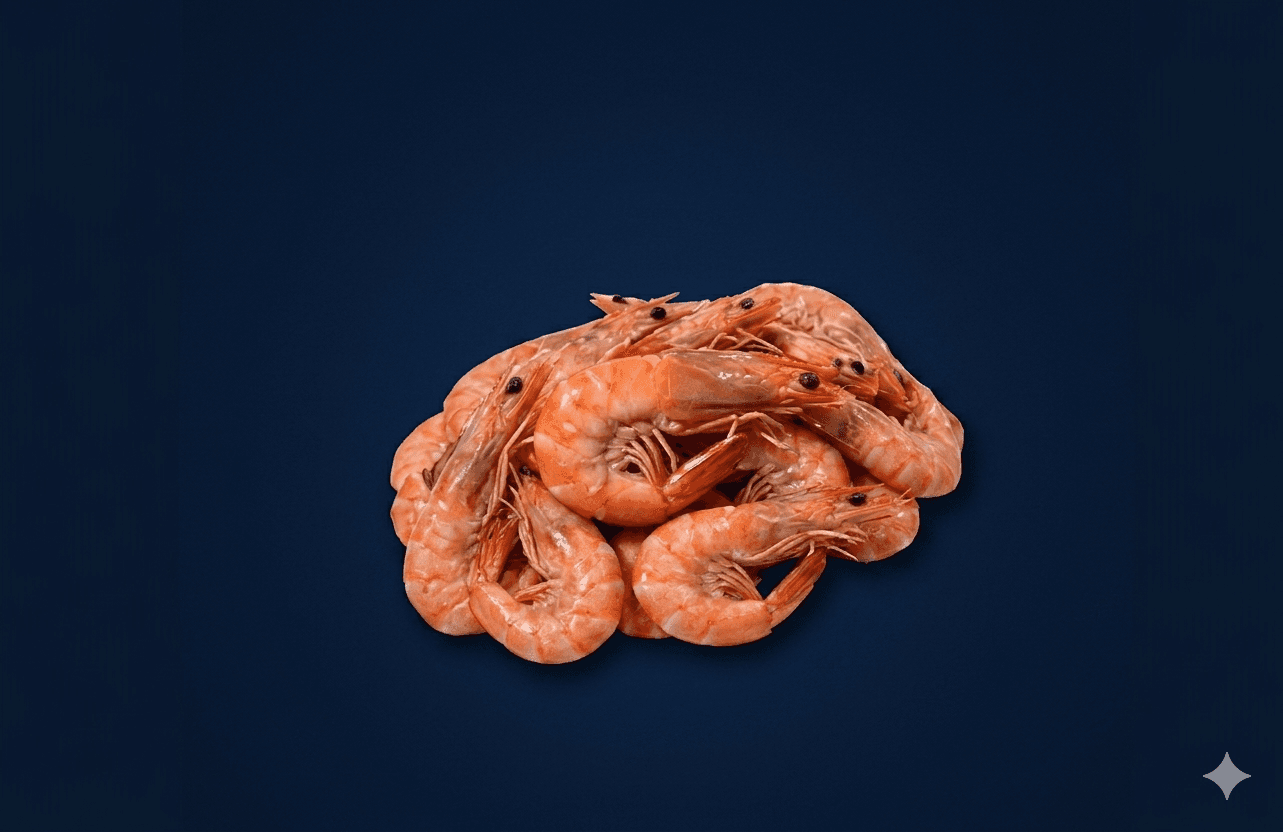
Cooked king prawns. The backbone. Buy them cooked, leave the tails on, and peel about two thirds of them so guests have a choice between easy and hands on.
Oysters. The luxury signal, and the item people remember. Shuck them within the hour or buy them freshly shucked on the day.
Moreton Bay bugs or crab. Cooked bugs split in half are the easiest premium item on the board because the work is already done. A cooked mud crab, cracked and portioned, is the showstopper version.
Smoked salmon. Cheap relative to the impact, fills space beautifully, and gives you something to lay over blinis or bread.
Cooked mussels. Underrated on a board. Serve them on the half shell with a spoonful of dressing and they add colour and volume for very little money.
Building it on ice
This is the part most home boards skip and it is the difference between a board that lasts and one that does not.
Crushed ice in a shallow tray, board or platter with a lip. Seafood sits directly on it. Oysters get pushed down into it so they sit level and stay at fridge temperature for the whole service.
If you have no lipped tray, use a large baking dish lined with ice, then lay a slate or timber board on top. The board stays cold from underneath without anything getting wet.
Keep it out of direct sun. A shaded table on the Gold Coast in February is still warm, and a sunny one is a food safety problem.
The two hour rule
Cold seafood has a hard limit of two hours at room temperature, and one hour once the day is above 25°C.
The practical answer is to halve the board. Put out half the seafood, keep the rest covered in the fridge, and refresh it when the first round is picked over. The second half arrives cold and the board looks new again just as it was starting to look sad.
Anything that has sat out past the limit does not go back in the fridge. That is the rule that saves you a bad Sunday.
Sauces, and how many
Three is the number. More than that and nobody tries any of them properly.
- A classic seafood sauce. Mayonnaise, tomato sauce, a squeeze of lemon, a dash of Worcestershire. Everyone eats it and nobody admits to liking it.
- A mignonette for the oysters. Finely diced shallot, red wine vinegar, cracked pepper. Ten seconds to make and it makes the oysters taste like a restaurant.
- Something with heat. Sriracha mayonnaise, a chilli lime dressing, or a nam jim if you want to be interesting.
Lemon wedges are not a sauce and they are not optional. Allow one lemon per four people, cut into six.
What fills the gaps
The seafood is the reason people come to the board. The other things are what stop it looking sparse.
- Bread or blinis. Sliced baguette, good sourdough or blinis for the salmon.
- Something pickled. Cornichons, pickled onions, capers. The acid resets the palate between rich mouthfuls.
- Something fresh and green. Cucumber ribbons, dill, a small pile of watercress. Colour, mostly, and it costs nothing.
- A soft cheese, optionally. A single mild one. Do not build a cheese board and a seafood board on the same platter, because the strong cheeses bully everything around them.
Skip: dips, crackers in six shapes, dried fruit, and anything else that turns a seafood board into a supermarket antipasto platter.
Making it look like the photos
Three habits do most of the work.
Height. Nothing should be flat. Pile the prawns rather than laying them out, prop the bug halves against something, use a small bowl raised on a saucer.
Odd numbers and clusters. Group each item in one place rather than scattering it evenly. Clusters read as abundance, scatter reads as garnish.
Fill every gap. A finished board should have no visible timber. Herbs, lemon wedges and greenery close the last spaces, and that single habit is the difference between a home board and a catered one.
Quantity Planning
As the main event of the gathering: 300 to 350 grams of mixed seafood per adult. As part of a spread with other dishes: 150 to 200 grams per adult.
For ten people as the main event, buy roughly: 1.5 kilograms of cooked king prawns two dozen oysters one kilogram of cooked Moreton Bay bugs, or one large cooked mud crab 300 grams of smoked salmon one kilogram of cooked mussels
That is about 3.5 kilograms of seafood, which sounds enormous and disappears completely.
Where to Source It
Tasman Star cooks its own prawns and bugs and shucks oysters to order, which is the whole board sorted in one stop. Tell the team the number of guests and whether the board is the main event, and they will tell you what to buy rather than selling you the maximum. Order oysters for pickup on the day you are serving, not the day before.
Find us at 5 to 7 Olsen Ave, Labrador or 20 Casua Dr, Varsity Lakes, open 7 AM to 6 PM, 7 days.
Browse cooked prawns, oysters and bugs and order online for Gold Coast delivery.
Written by
The Tasman Star Team · Gold Coast fishmongers
Articles from the fishmongers at Tasman Star Seafood. We source, fillet and sell fresh seafood on the Gold Coast seven days a week, and everything we publish comes from what we handle in the shop.
Fresh seafood delivered to your door
Order online from Tasman Star Seafood, Gold Coast delivery, open 7 days.
More Seafood Articles
Omega 3 in Seafood: Which Fish Actually Delivers, and How Much
Not all fish carry meaningful omega 3. Here is what the numbers look like across Australian seafood, how much you need each week, and the cheapest ways to hit it.
TrendsOne Pan and One Bowl Seafood Dinners for Busy Weeknights
Fast, low mess seafood dinners built around a single pan or a single bowl. Tray bakes, rice bowls and skillet dinners ready in under 30 minutes.
TrendsCrudo and Poke Bowls at Home: The Raw Bar Trend Hitting Gold Coast Kitchens
Restaurant style crudo and poke bowls are the standout home seafood trend of 2026. Here is how to build them with sashimi grade kingfish, tuna and salmon.