
Hamachi vs Hiramasa: Understanding Australian Yellowtail Kingfish
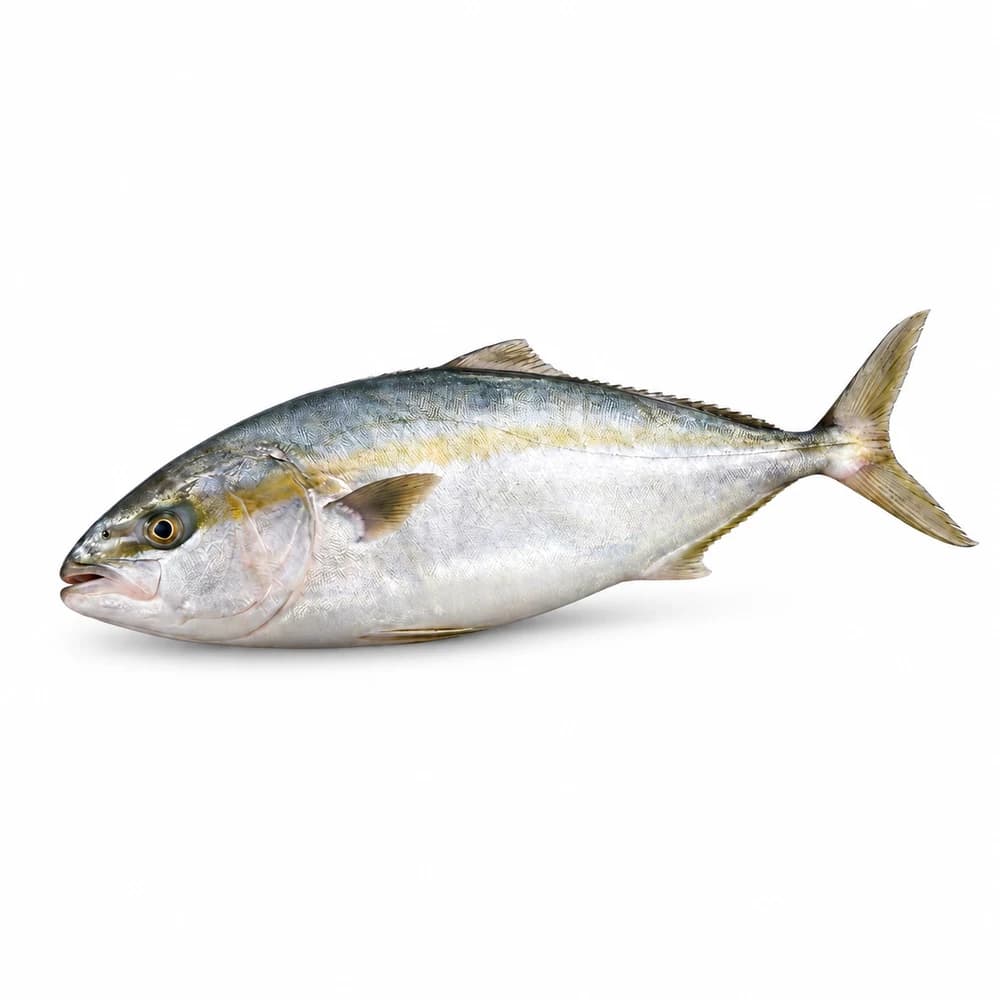
Hamachi and hiramasa are not names to swap without checking. Hamachi is commonly associated with Japanese amberjack, Seriola quinqueradiata. Australian yellowtail kingfish is generally identified as Seriola lalandi and is marketed as hiramasa. The shared word “yellowtail” can hide an important difference.
For a customer, the practical job is to identify the product, then decide whether its cut and handling suit the meal.
Why menus and fish cabinets can be confusing
The FDA Seafood List reference records Seriola quinqueradiata with Buri and Hamachi names, separately from Seriola lalandi. Common names can vary with regional and commercial usage; a menu label is not a substitute for asking the supplier.
| You see this name | Useful question |
|---|---|
| Hamachi | Is this Japanese amberjack, and what is the species? |
| Hiramasa kingfish | What cut and product is being supplied? |
| Yellowtail | Do you mean kingfish, amberjack or another fish? |
| Kingfish | Is this Australian yellowtail kingfish or a regional name used elsewhere? |
Australian yellowtail scad is another fish again. It is not a smaller pack of hiramasa.
Whole fish and sashimi blocks serve different needs
A whole kingfish purchase gives you a larger preparation job. You need space to handle it, a plan for the portions, and confirmation of what cleaning or cutting is included. A prepared block is a much more direct purchase when you want slices for a particular meal.
Our range includes Hiramasa Kingfish and a kingfish sashimi block. Read the current pack details instead of assuming the whole fish and block have the same preparation or intended use.
For sashimi, ask about handling
A species name alone does not tell you a fish is appropriate to eat raw. Ask for a product specifically supplied for that purpose, keep it chilled and follow its instructions. Food Standards Australia New Zealand explains the risks of raw fish dishes.
For a cooked dish, explain whether you want a grill portion, a fillet for a sauce or a whole presentation fish. There is no reason to pay for one format and struggle to make it act like another.
Choosing for a gathering
If you want variety without cutting a whole fish, compare a prepared platter with individual blocks. Consider how much preparation you want to do yourself and how soon the food will be eaten. See our sushi platter selection guide for a way to plan around different preferences.
Is hamachi always fattier than hiramasa? Avoid making that promise from the name alone. The specific fish, production conditions, size and cut matter.
Written by
The Tasman Star Team · Gold Coast fishmongers
Articles from the fishmongers at Tasman Star Seafood. We source, fillet and sell fresh seafood on the Gold Coast seven days a week, and everything we publish comes from what we handle in the shop.
Fresh seafood delivered to your door
Order online from Tasman Star Seafood, Gold Coast delivery, open 7 days.
More Seafood Articles
Bangus in Australia: Ask for Milkfish
Bangus is milkfish, not mullet. Find the right product, understand bone-in versus deboned preparation, and plan familiar Filipino meals on the Gold Coast.
Fish names and alternativesBhetki, Bekti and Barramundi: Buying Asian Seabass in Australia
Looking for bhetki or Asian seabass? Learn the barramundi connection, what to check on the label and how to choose cuts for familiar cooked dishes.
Fish names and alternativesBranzino in Australia: Choosing a Fish for European Sea Bass Recipes
Branzino and barramundi are different species. Find practical Australian alternatives for whole roasted sea bass, with advice on size, cuts and recipe adjustments.