
Vinegar and Citrus with Seafood: Flavour Without Overpowering the Fish
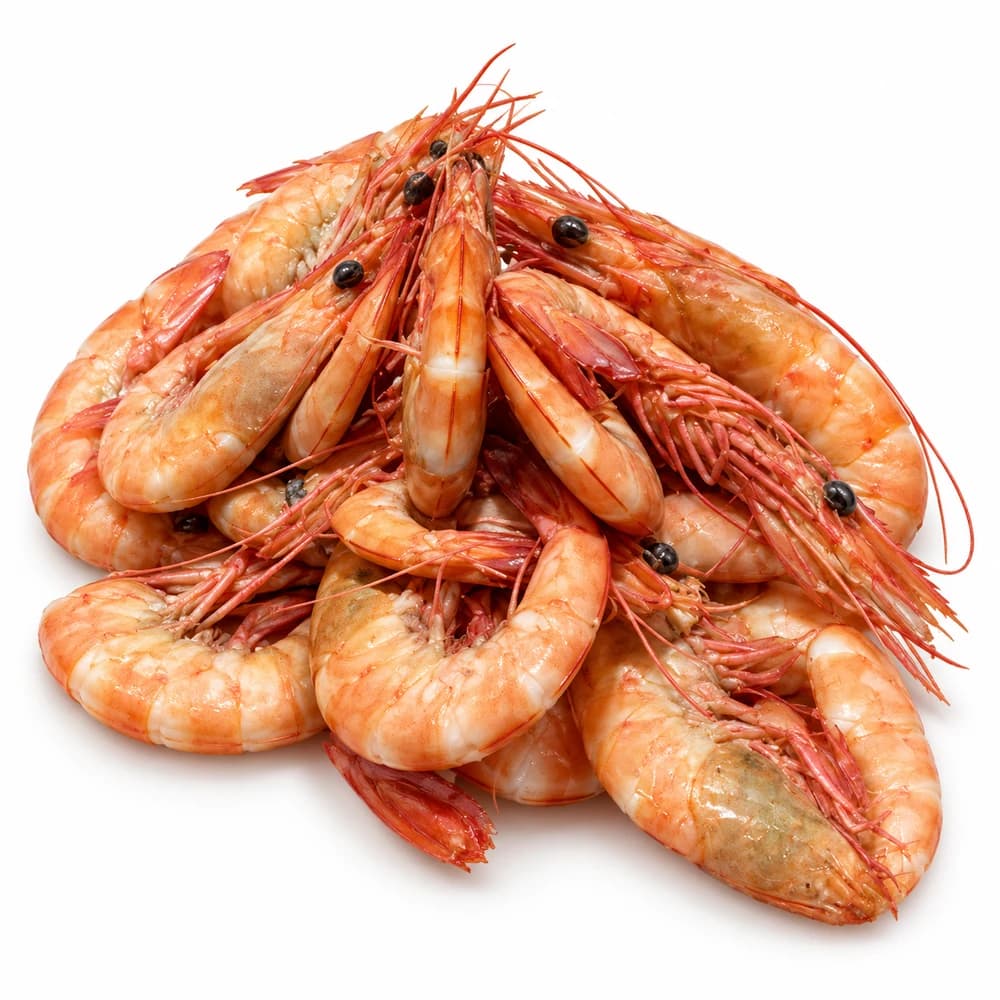
A little acidity can make a seafood meal feel brighter, but adding more is not always better. Lemon, lime and vinegar-based dressings should suit the fish, the other ingredients and the time between preparation and eating.
Vinegar appears in Whole Foods Market's 2026 trend forecast. That is a prompt to explore flavour, not a reason to turn every seafood purchase into a heavily marinated dish.
Choose the job for the acid
| What you want | A useful approach |
|---|---|
| A fresh finish on cooked fish | Add a little lemon near serving |
| Contrast to a rich sauce | Offer a sharp side or dressing |
| A dip for cooked prawns | Serve separately so diners control the amount |
| A raw-fish dish | Use a proper raw-fish preparation and safety plan |
A sharp sauce on the side is especially useful for a group. One person can keep the seafood simple while another adds more dressing.
Avoid changing the texture accidentally
Acid can alter fish texture while it sits. If you want a freshly dressed cooked dish, do not pour on the citrus long before serving and expect the same result. If a tested recipe calls for a marinade, follow its method rather than using a long soak as a default.
For cooked king prawns, try serving lemon separately first. For a cooked white fish, taste the sauce with a small piece before dressing the entire plate. This makes a strong vinegar or salty condiment easier to control.
Acid is not a substitute for safe handling
Lime juice does not make an unsuitable raw fish safe. Food Standards Australia New Zealand includes ceviche among raw-fish dishes that need safety precautions. Use products supplied for the intended purpose, maintain refrigeration and follow the supplier's instructions.
A colour change in a marinade is not the same thing as a verified cooking process. This distinction matters when a short online video uses the word “cook” to describe what citrus does.
Put together a small sauce choice
For a simple shared meal, one rich condiment and one sharp option are usually enough. Think garlic butter plus lemon, or a creamy dip plus pickled vegetables. Adding several acidic sauces can make the meal repetitive rather than more interesting.
Check sauce ingredients if allergies matter. A flavour described as citrus or vinegar may also contain soy, sesame, fish or other ingredients.
Should every fish get lemon? No. Taste first. A well-seasoned bowl or marinated product may already have the balance it needs. See our Japanese sauce buying guide for another way to choose condiments by purpose.
Written by
The Tasman Star Team · Gold Coast fishmongers
Articles from the fishmongers at Tasman Star Seafood. We source, fillet and sell fresh seafood on the Gold Coast seven days a week, and everything we publish comes from what we handle in the shop.
Fresh seafood delivered to your door
Order online from Tasman Star Seafood, Gold Coast delivery, open 7 days.
More Seafood Articles
Smarter Freezer Seafood: Buy Portions You Will Actually Use
Choose frozen seafood by portion size, packaging and cooking instructions. Turn the premium-convenience trend into useful weeknight shopping.
TrendsSeafood Bowls with Beans and Grains: A Practical 2026 Food Idea
Bring the fibre-focused food trend to your seafood meals with beans, grains and vegetables. A practical guide to building a varied bowl without health hype.
TrendsSeafood Trends for Summer 2026: What Is Worth Trying?
Explore seafood bowls, flavour-led sauces, smarter freezer shopping and clearer origin labels, with practical ideas for Gold Coast meals this summer.