
Budgeting for Seafood on a Gold Coast Event Weekend
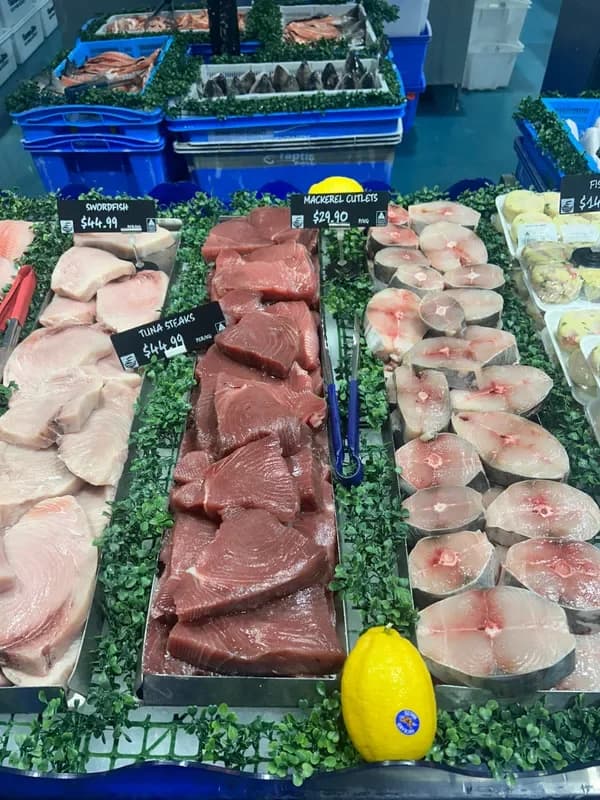
To budget for a seafood meal, decide what each person will actually eat before comparing prices. Whole fish, fillets and shell-on prawns have different yields. A lower price per kilogram does not always mean a lower cost for the meal you want.
This guide uses a planning formula rather than fixed prices. Check the current shop for the products and prices available when you order.
Start with the role of the seafood
Is seafood the main meal, a starter or one dish in a larger spread? A prawn platter beside several other mains needs a different shopping list from prawns as the only main course.
Agree on the number of confirmed diners rather than buying for everyone who might drop in. If the gathering is flexible, keep additional bread, vegetables or another suitable side available instead of doubling the chilled seafood order.
Use our portion guide for a starting point, then adjust for appetite and the rest of the menu.
Compare like with like
| Product form | What to account for |
|---|---|
| Whole fish | Head, frame and preparation; ask about the likely usable portion |
| Boneless fillets | More of the purchased weight is ready for your recipe |
| Shell-on prawns | Peeling and head or shell weight |
| Peeled prawns | Convenience and a weight closer to the recipe’s ingredient amount |
If a recipe calls for 600 g of peeled raw prawns, do not substitute 600 g of whole prawns and expect the same number of portions. Ask the team what purchase weight is appropriate for the product in front of you.
Write the total before splitting the bill
Use this calculation:
Seafood cost + sides + pantry purchases + applicable delivery charge = meal total.
Divide the meal total by the diners sharing that meal. People attending the concert but eating elsewhere should not accidentally enter your shopping calculation.
For illustration only, a hypothetical $80 meal shared by four people costs $20 each. That is arithmetic, not a Tasman Star price or a promised meal package.
Save effort with shared ingredients
A lemon can season fish and dress salad. A bag of spinach can go into pasta and become a side the next day. Buying ingredients with a second use helps avoid leaving half a pantry behind at checkout.
Prawn, tomato and spinach pasta combines seafood with a substantial base. Crispy fish burgers turn measured fillet portions into individual meals.
Avoid buying variety just for appearance
One well-planned seafood main can be more satisfying than small amounts of five species that require different preparation. Ask what suits your cooking method and budget, rather than selecting only by the largest discount label.
For accommodation cooking, check our apartment checklist. For collection, choose a store that fits your route and take the food directly to refrigeration.
Written by
The Tasman Star Team · Gold Coast fishmongers
Articles from the fishmongers at Tasman Star Seafood. We source, fillet and sell fresh seafood on the Gold Coast seven days a week, sharing seafood buying guides, cooking ideas and practical information for our customers.
Fresh seafood delivered to your door
Order online from Tasman Star Seafood, Gold Coast delivery Monday to Saturday.
More Seafood Articles
Buying Seafood for a Gold Coast Holiday Apartment
Check the fridge, cooking equipment and building access before buying seafood for your Gold Coast holiday apartment. Includes a practical arrival checklist.
Buying GuidesCaviar vs Salmon Roe vs Tobiko: What Australians Are Actually Buying
True caviar is salted sturgeon eggs. Salmon roe, tobiko and masago are different fish eggs at different prices. A Gold Coast fishmonger's table of grain size, flavour and use.
Buying GuidesLobster vs Crayfish vs Moreton Bay Bug: What Is the Difference
In Australia, crayfish is usually rock lobster. Moreton Bay bugs are slipper lobsters. True freshwater crayfish are yabbies. A Gold Coast comparison of taste, meat, price and how to cook each.