Seafood Origin Labels in 2026: What Australian Shoppers Should Read
A seafood shop's address does not tell you where every fish was harvested. Read origin separately from the species name, the place it was prepared and the place you bought it. Those details answer different questions.
This is especially useful when you are choosing between familiar overseas fish and Australian alternatives, or comparing a raw product with a prepared meal.
What changed in 2026?
The Australian Government states that mandatory seafood country-of-origin information for hospitality businesses took effect on 1 July 2026. Its announcement of the rules explains the change for seafood served for immediate consumption.
For shoppers, look for the meaning of Australian, imported or mixed origin on a menu and its legend. Retail products also have origin information; do not assume a restaurant-style letter code is the only labelling format you will encounter.
Four questions that should stay separate
| Question | What it tells you |
|---|---|
| What species is it? | The identity of the fish or shellfish |
| Where was it harvested? | Its origin |
| Where was it prepared? | Where cutting, cooking or assembly happened |
| Who is selling it? | The retailer or food business responsible for the sale |
A product prepared in a Gold Coast kitchen can contain imported seafood. An imported fish can still be accurately identified and properly handled. Origin is information for your choice, not a shortcut for judging every aspect of quality.
Read the current product, not an old assumption
If Australian origin is important to you, check the current label or ask the team about the batch being supplied. A familiar brand, a species associated with Australia or a local delivery van does not establish origin by itself.
For mixed dishes, ask about the seafood components rather than assuming one statement applies to every possible platter variation. The government's seafood labelling questions explain the use of imported information for seafood from outside Australia, including New Zealand.
Use names and origin together
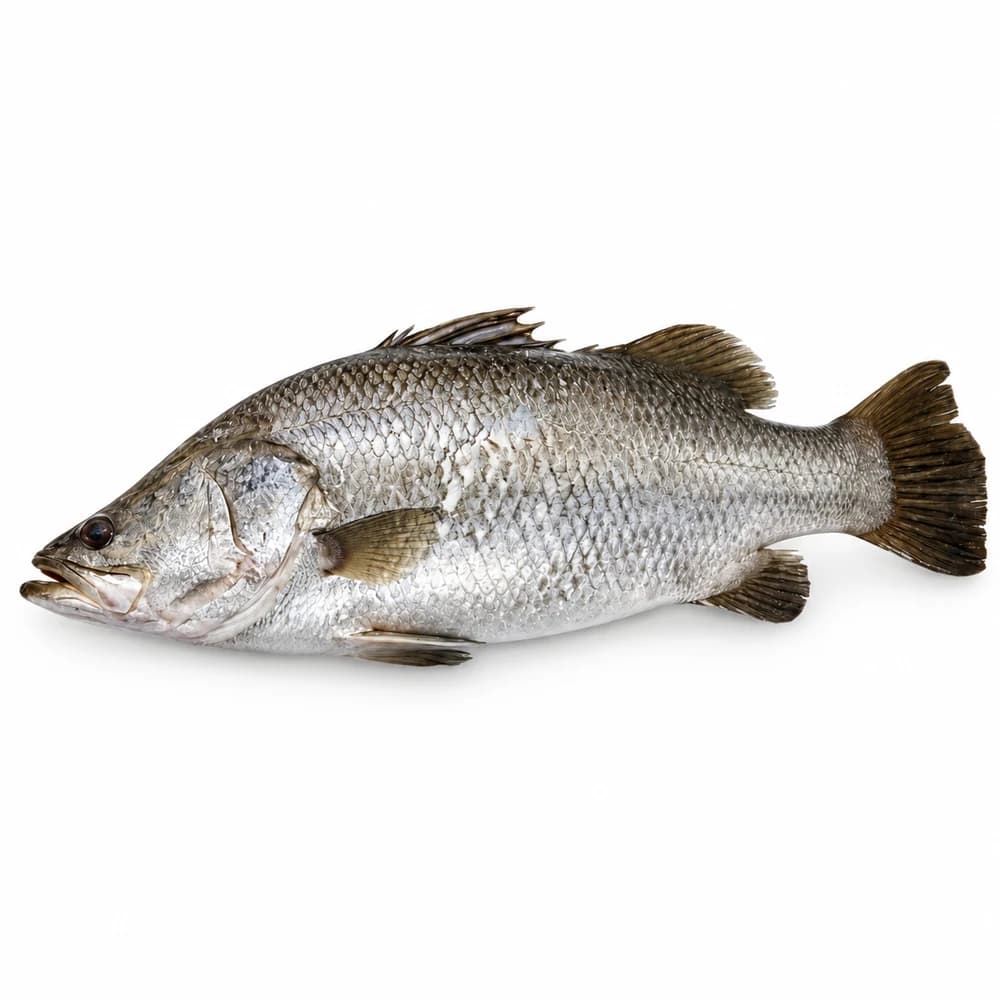
Whole barramundi, milkfish and kingfish are different buying decisions. A species match for a family recipe does not promise the same country of origin as the fish you used overseas.
If a listing does not answer an important question, contact the Varsity Lakes team before ordering. That is more useful than guessing from a photo or a broad category label.
Does Australian mean caught near the Gold Coast? Not necessarily. Ask for the harvest area if local sourcing is the detail that matters to you. Australian origin is broader than a particular coast or fishery.
For a practical example of separating names from species, read bhetki and barramundi.
Written by
The Tasman Star Team · Gold Coast fishmongers
Articles from the fishmongers at Tasman Star Seafood. We source, fillet and sell fresh seafood on the Gold Coast seven days a week, and everything we publish comes from what we handle in the shop.
Fresh seafood delivered to your door
Order online from Tasman Star Seafood, Gold Coast delivery, open 7 days.
More Seafood Articles
Smarter Freezer Seafood: Buy Portions You Will Actually Use
Choose frozen seafood by portion size, packaging and cooking instructions. Turn the premium-convenience trend into useful weeknight shopping.
TrendsSeafood Bowls with Beans and Grains: A Practical 2026 Food Idea
Bring the fibre-focused food trend to your seafood meals with beans, grains and vegetables. A practical guide to building a varied bowl without health hype.
TrendsSeafood Trends for Summer 2026: What Is Worth Trying?
Explore seafood bowls, flavour-led sauces, smarter freezer shopping and clearer origin labels, with practical ideas for Gold Coast meals this summer.