
Taking Seafood Home: An Esky Guide for Gold Coast Trips
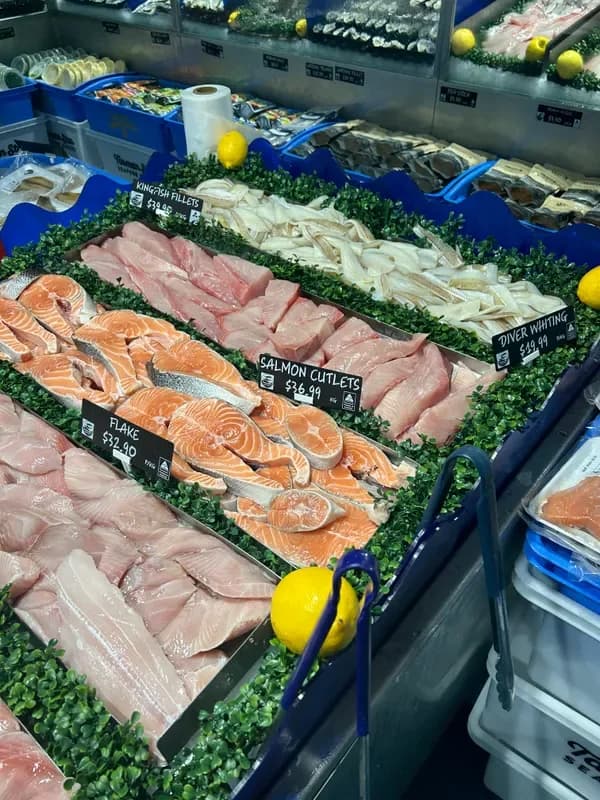
Take a clean insulated cooler and enough ice or frozen cold packs when collecting seafood. Buy the seafood last, keep it properly chilled and go directly to your destination. A cooler makes that journey easier; it does not give you an unlimited window for errands or sightseeing.
Set up the cooler before you leave
Choose a cooler that fits the order without crushing the packaging. Chill it in advance where practical and have your cold packs frozen before collection. A bag that was sitting in a hot car starts with heat that the ice must remove.
Bring a food thermometer if you need to check the actual temperature. The outside of a bag feeling cool does not tell you the temperature of the food inside.
Food Standards Australia New Zealand advises keeping potentially hazardous food at 5°C or colder when chilled.
Keep raw and ready-to-eat food apart
Use intact, leakproof food containers or the protective packaging supplied by the store. Keep raw fish and green prawns separate from cooked prawns, salad and bread, and avoid placing ready-to-eat food where raw juices could reach it.
Keep the cooler closed as much as possible and out of direct sun. If you also have drinks, a separate drinks cooler means fewer openings of the seafood cooler.
Do not let unsealed food sit in meltwater. Follow any product-specific packing instructions from the fishmonger, especially for live shellfish; a general fish-transport method is not suitable for every live animal.
How long can seafood stay in an esky?
There is no single reliable number. Insulation, starting temperature, ice quantity, sunlight and how often the lid opens all matter. Judge the food temperature and the actual journey, not the brand name on the cooler.
FSANZ’s 2-hour/4-hour guidance counts cumulative time between 5°C and 60°C: under two hours allows use or refrigeration; two to four hours means use immediately; beyond four hours means discard. If you cannot establish that the food has been handled safely, discard it.
Time spent preparing and displaying the food also counts. Putting it back on ice does not erase earlier time outside temperature control.
Plan the route around the food
Collect pantry groceries first, then seafood. Go straight to your home or accommodation and refrigerate it promptly. A beach stop or a concert after collection makes the journey much harder to manage.
If you are checking out of a holiday apartment, consider whether a seafood purchase fits the day at all. Read our apartment shopping guide before ordering.
Tell the store about an unusual journey
Long road trips, flights and live seafood need advice specific to the product and transport method. Ask before you buy; this guide does not promise that any cooler will suit any trip.
Find Tasman Star’s store details, browse the current seafood selection and ask about appropriate packing for your order.
Written by
The Tasman Star Team · Gold Coast fishmongers
Articles from the fishmongers at Tasman Star Seafood. We source, fillet and sell fresh seafood on the Gold Coast seven days a week, sharing seafood buying guides, cooking ideas and practical information for our customers.
Fresh seafood delivered to your door
Order online from Tasman Star Seafood, Gold Coast delivery Monday to Saturday.
More Seafood Articles
BLEACH 2026: Plan a Seafood Dinner Before the Show
BLEACH runs 1–11 October 2026. Plan a seafood dinner at home before your arts outing, with sensible shopping, preparation and timing.
RecipesCoconut and Lime Salmon Curry with Green Beans
Make a gentle coconut salmon curry for four with green beans, ginger and lime. Includes exact quantities, cooking steps and rice timing.
RecipesCrispy Fish Burgers with Lime Slaw
Make four crispy fish burgers with panko crumbs and lime slaw. Includes fillet weights, shallow-frying steps and practical cooking checks.