
Vietnamese Caramel Fish: Cá Kho Tộ Without a Clay Pot
Vietnamese Caramel Fish: Cá Kho Tộ Without a Clay Pot
TL;DR: Take the caramel dark enough to smell bitter, kill it with coconut water, then braise thick pieces of firm fish in it with fish sauce, garlic, ginger and pepper until the sauce turns glossy. Thirty five minutes, one pot, rice on the side.
This is one of the great home cooking dishes of Vietnam and one of the easiest big flavour things you can do with a fish. It is a braise, not a stir fry, and the whole dish is built on a single technique that people find intimidating for no good reason: making a dark caramel and then stopping it at the right moment.
Get that right and everything after it is just simmering.
The caramel is the dish
Vietnamese caramel, nước màu, is not dessert caramel. It is taken well past golden, to the point where it turns dark mahogany and smells slightly bitter and smoky. That bitterness is the whole point. It balances the sugar and the fish sauce, and without it the braise tastes like a sweet glaze rather than something with depth.
How to make it:
Sugar and a splash of water in a heavy pot over medium heat. Do not stir it, because stirring crystallises the syrup. Swirl the pot instead and let it go.
It moves through clear, then pale gold, then amber, then dark honey. Somewhere around six to eight minutes it will start to smell toasted and faintly bitter, and you may see the first wisp of smoke off the surface. That is your moment.
Then stop it immediately. Off the heat, stand back, and pour in the coconut water all at once. It will spit violently and the caramel will seize into a solid lump. That is normal. Put it back on low heat and it dissolves in about a minute.
The window between perfect and burnt is roughly ten seconds, so do not answer the phone. If it does go too far it will taste acrid rather than bitter and there is no saving it. Rinse the pot and start again with a third of a cup of sugar, which costs you almost nothing.
Choosing the fish
You need something firm, cut thick, that will survive half an hour of gentle simmering.
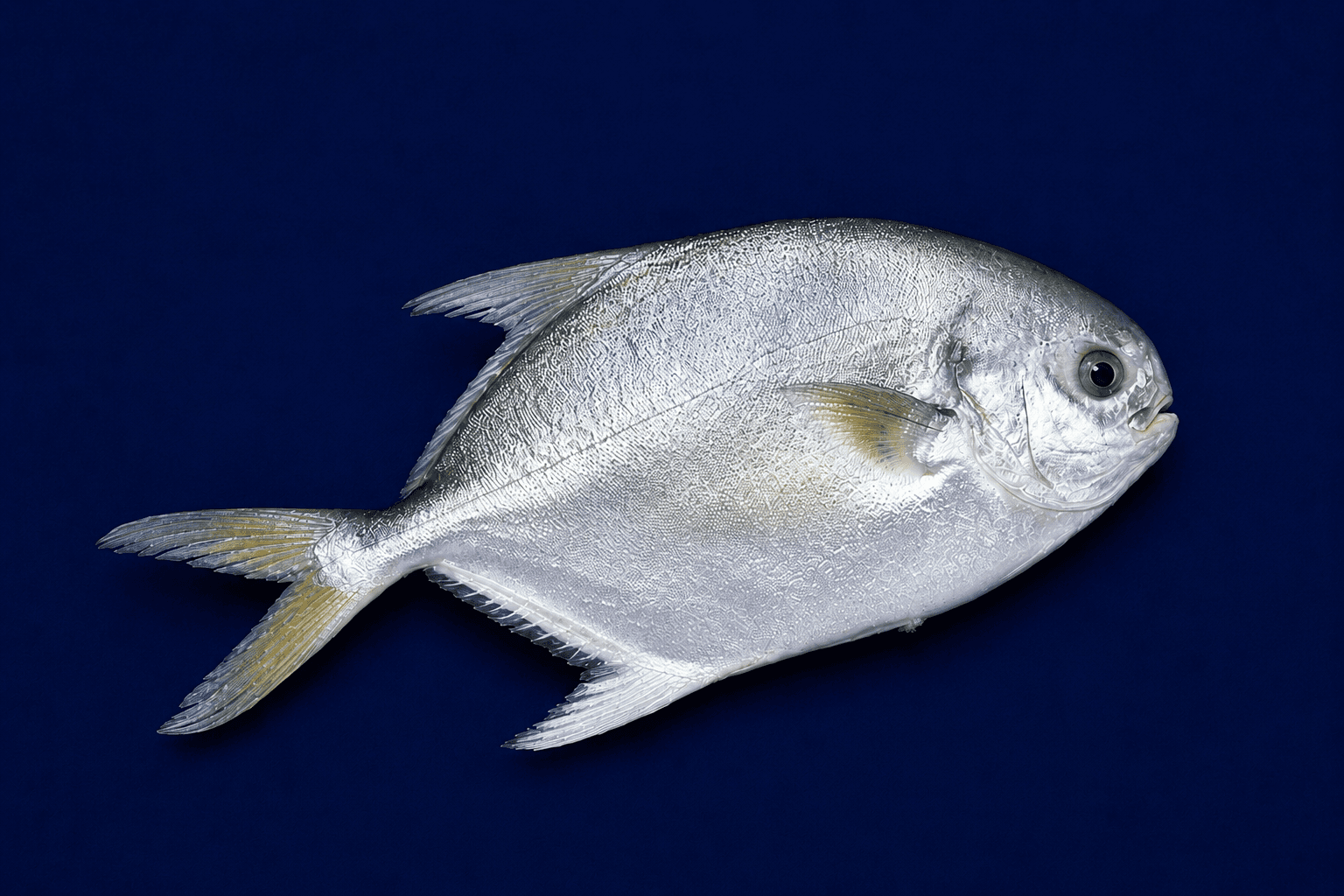
- Golden pomfret is the traditional pick and it is the best one. Firm white flesh, a good frame, and a shape that cuts naturally into thick steaks.
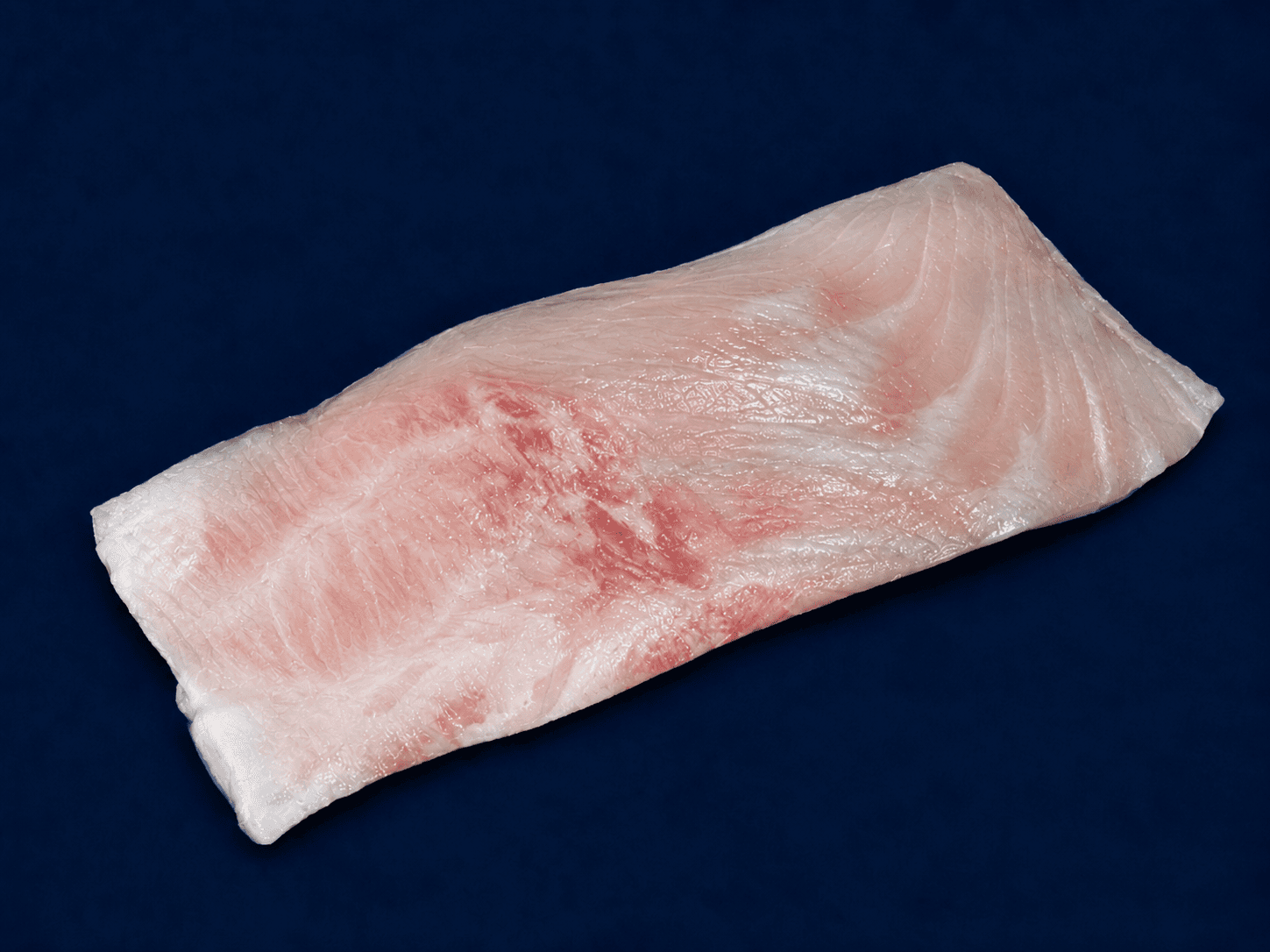
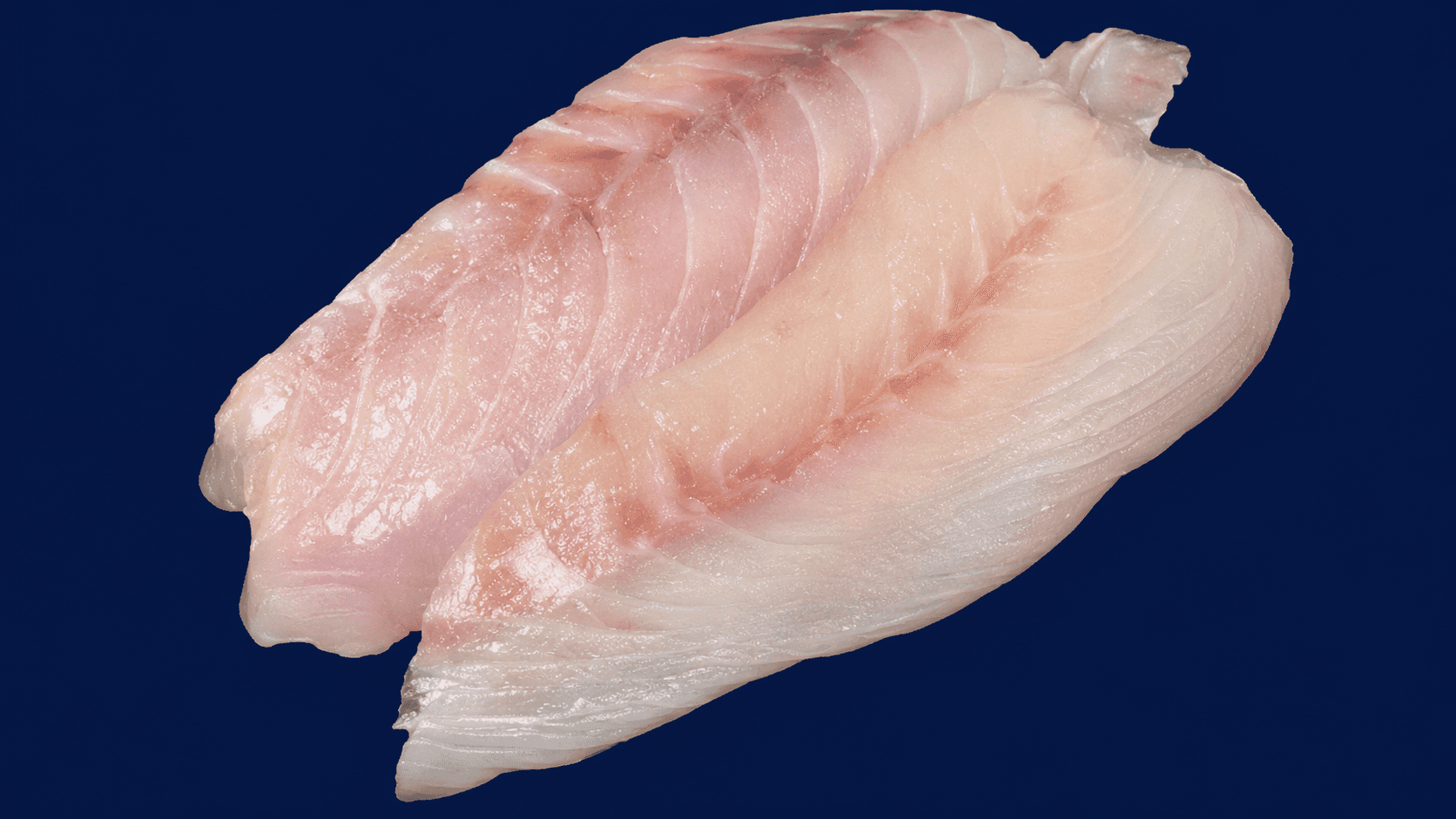
- Barramundi is excellent, and thick fillet portions hold together fine.
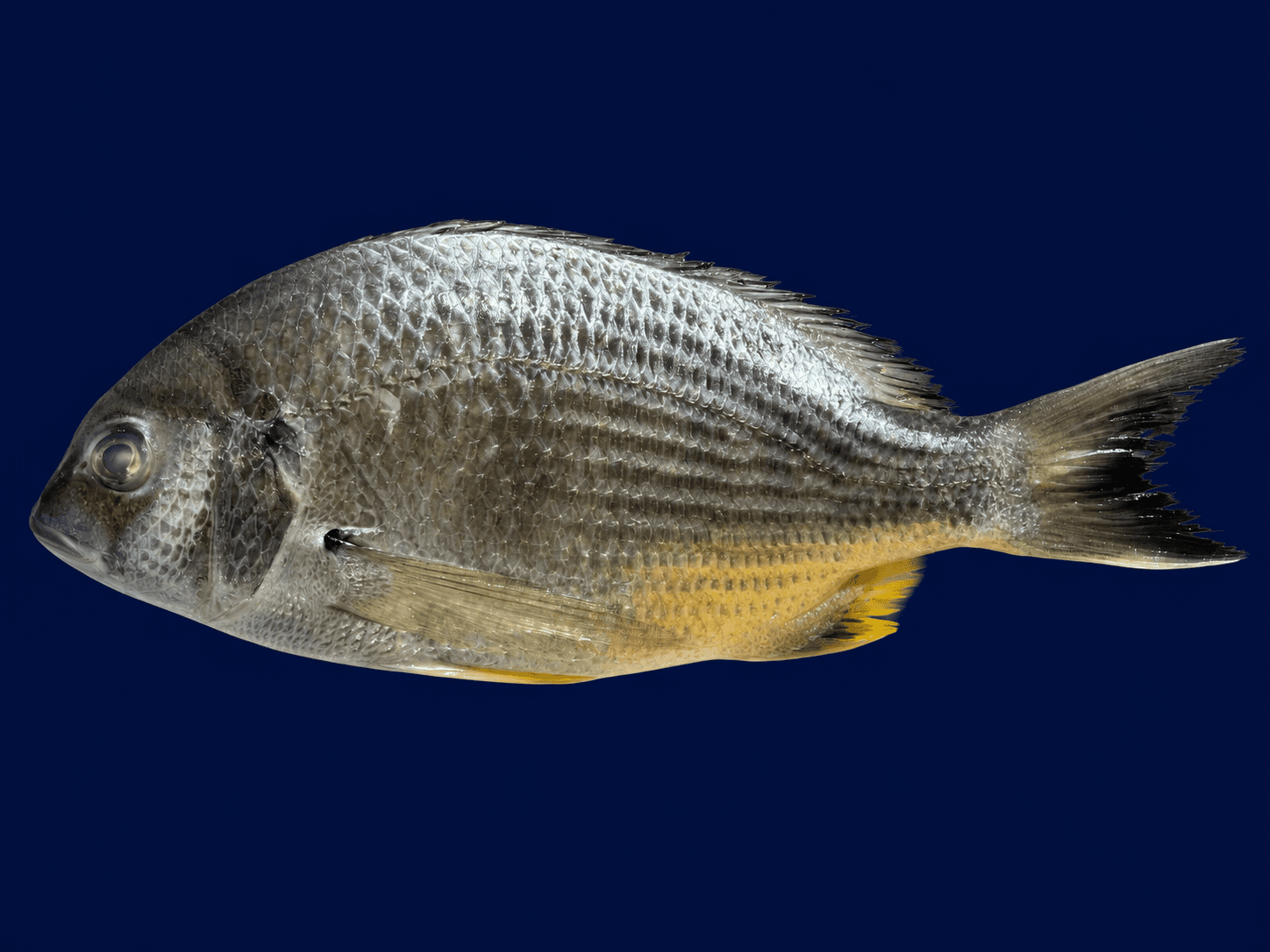
- Snapper and bream are both very good, especially cut as bone in steaks.
- Mackerel is what a lot of Vietnamese households actually use, and its oiliness works here because the caramel and pepper cut straight through it.
Skip: whiting, flathead and other delicate thin fillets, which disintegrate. Salmon is the other one to avoid, since its flavour argues with the caramel rather than soaking it up.
Cut it thick. Three centimetre steaks or chunks. Thin pieces overcook long before the sauce has reduced, and the timing of this dish is built around the sauce, not the fish.
Bone in beats boneless. The bones give the sauce body and keep the flesh from falling apart. A whole pomfret cut crossways into steaks is the ideal format, and the fish counter will do that for you.
The braise
Once the caramel is dissolved, the rest is straightforward.
Garlic, ginger and shallots go in and cook for a few minutes. Then fish sauce and chilli. Taste the liquid at this point and expect a shock: it should be far too salty and far too sweet to drink. The fish absorbs a great deal of it over half an hour, and a sauce seasoned to taste right at this stage will taste of nothing at the end.
Lay the fish in a single layer. This is why the pot should be small. A wide pan spreads the sauce thin, so it dries out before the fish is done, and a crowded pot means the pieces on top steam rather than braise.
Cover, and keep it at the barest simmer for twenty minutes. Then uncover, turn the pieces once, and let it go another ten to fifteen minutes until the sauce reduces to something glossy that coats the back of a spoon and clings to the fish.
Turn the fish once only. Every extra turn breaks it up.
Coconut water, and why
Traditional recipes use young coconut water rather than plain water, and it makes a real difference. It adds a rounded sweetness and softens the salt of the fish sauce without tasting of coconut at all.
Plain water works perfectly well if you do not have it. What does not work is coconut milk, which is a different dish entirely and turns the braise cloudy and heavy.
Black pepper, twice
Pepper is not a garnish here. A heavy hand with cracked black pepper is characteristic of the dish, and it goes in twice: once on the fish before it cooks, once over the top at the end.
The second addition is the one people notice. Pepper added at the finish keeps its aromatic sharpness, where pepper that has simmered for half an hour has gone soft and flat.
What to serve with it
Plain steamed jasmine rice, and plenty of it. The sauce is intense and the rice is what makes the meal work, so do not serve it with anything else starchy.
Something green and plain on the side balances it: steamed choy sum, boiled greens with a splash of the braising liquid, or raw cucumber. A bowl of clear soup is the traditional third element.
Skip the side dish with its own strong sauce. This braise does not need company.
Making it a day ahead
This is one of the few fish dishes that genuinely improves overnight. The fish keeps absorbing the sauce in the fridge and the flavour deepens. Reheat it gently in the pot with a splash of water to loosen the syrup.
Three days in the fridge is fine. Do not freeze it, because the texture of the fish suffers and the sauce splits.
Quantity Planning
Braised fish as a main course with rice: 200 grams of fish per adult, since the dish is rich and the rice carries the meal. For children: 100 grams. Whole pomfret: one 700 to 800 gram fish feeds two to three people once it is cut into steaks.
For eight people, that is about 1.6 kilograms of fish, cooked in two pots rather than one deep one. Piling the fish two layers deep does not work.
Where to Source It
Tasman Star carries golden pomfret, barramundi, snapper and bream, and the team will cut any whole fish into thick crossways steaks for you, which is exactly the format this braise wants. Ask for pieces about three centimetres thick and leave the bone in, because that is where the body of the sauce comes from. If pomfret is not in that day, ask what firm whole fish came in fresh.
Find us at 5 to 7 Olsen Ave, Labrador or 20 Casua Dr, Varsity Lakes, open 7 AM to 6 PM, 7 days.
Browse whole fish and fillets and order online for Gold Coast delivery.
Shop this recipe
Everything below is stocked fresh and delivers across the Gold Coast.
Written by
The Tasman Star Team · Gold Coast fishmongers
Articles from the fishmongers at Tasman Star Seafood. We source, fillet and sell fresh seafood on the Gold Coast seven days a week, and everything we publish comes from what we handle in the shop.
Fresh seafood delivered to your door
Order online from Tasman Star Seafood, Gold Coast delivery, open 7 days.
More Seafood Articles
Crispy Fish Tacos: The Best Australian Fish for the Job
Fish tacos live or die on the fish you choose and how dry the batter stays. Here is the recipe, plus which Australian species hold up in a hot pan and which fall apart.
RecipesSalmon Teriyaki: A Four Ingredient Sauce and a Fifteen Minute Dinner
Real teriyaki is soy, mirin, sake and sugar, reduced in the pan. Here is the recipe, the glaze ratio to memorise, and how to get salmon skin crisp under a sweet sauce.
RecipesSeafood Paella at Home: The Rice, the Socarrat, the Timing
A proper seafood paella built around a Gold Coast marinara mix. The rice rules, the order the seafood goes in, and how to get the crisp socarrat on the base.