
Salmon Buying Guide: Atlantic, King and Sockeye Explained
Salmon Buying Guide: Atlantic, King and Sockeye Explained
TL;DR: Atlantic salmon is the fatty, forgiving everyday choice. King Ora is richer and silkier, worth it when salmon is the star. Sockeye is lean, deep red and wild, so cook it fast and pull it early.
Salmon is the fish that gets bought on autopilot. You walk up to the counter, point at the orange fillet and take it home. That works, but it also means most people never notice that the salmon in the cabinet is not all the same fish, and the differences change how dinner turns out.
Here is how the three you will see most often actually compare.
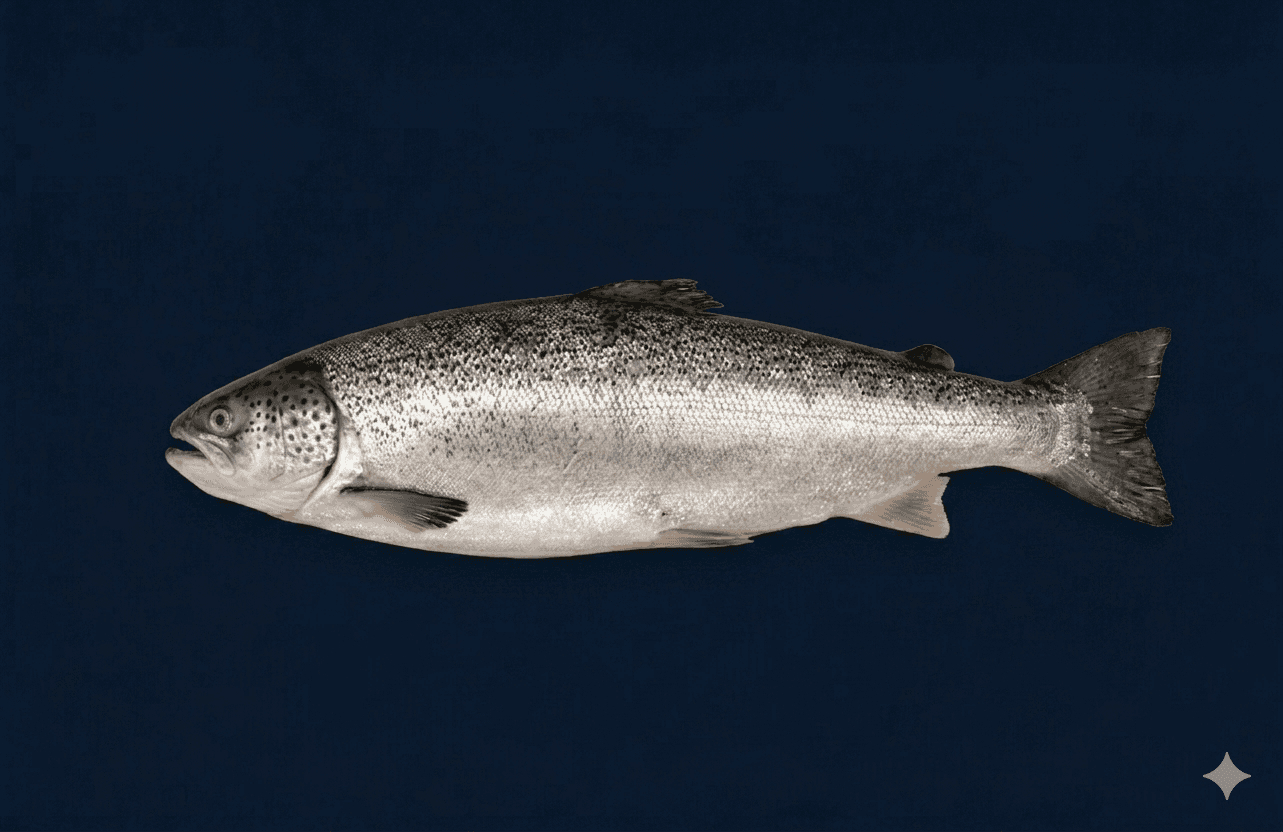
Atlantic salmon, the Tasmanian standard
When an Australian says salmon, they usually mean farmed Atlantic salmon out of Tasmania. It is the workhorse: consistent, widely available and high enough in fat that it stays moist even if you leave it in the oven a minute too long.
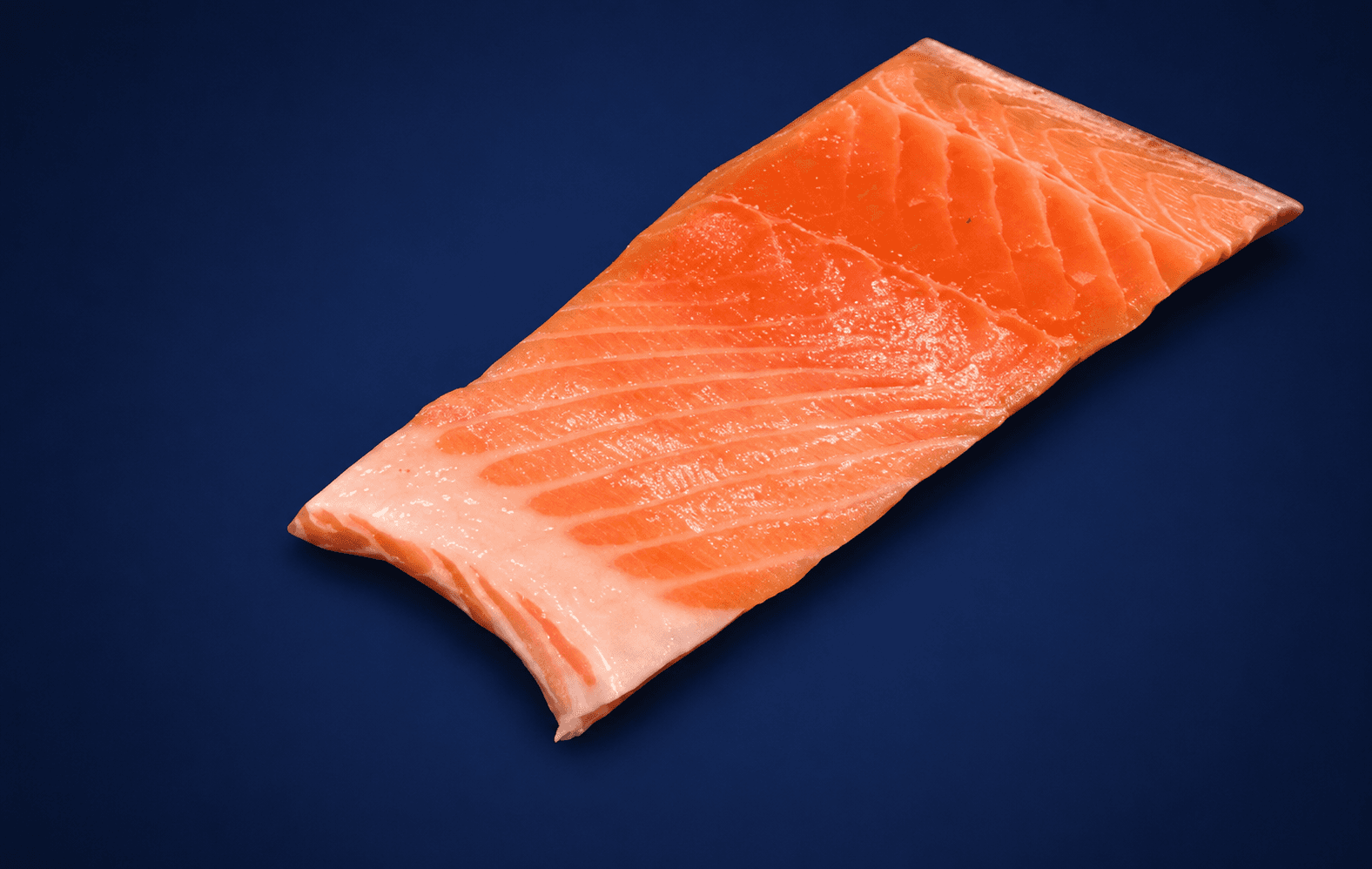
The flesh runs pale to medium orange with clear white fat lines through it. Those fat lines are the reason it forgives you. As the fillet heats, the fat bastes the flesh from the inside, so a slightly overcooked Atlantic fillet is still perfectly pleasant eating.
Buy it for: weeknight tray bakes, barbecue fillets, crispy skin pan frying, anything you are cooking for people who are not paying close attention.
Our salmon portions are cut to an even thickness so they cook at the same rate, which is the single biggest thing that stops one piece drying out while another is still raw.
King Ora salmon, the upgrade
King salmon is a different and larger species. King Ora is the one you will see whole in our cabinets, and the difference is obvious the moment you cut into it. The flesh is denser, the oil content is higher, and it eats silky rather than flaky.
That extra fat also means it takes more gently to heat. A King Ora fillet cooked to medium is genuinely luxurious. Cooked to well done it is still good, but you have paid for richness and then rendered it out.
Buy it for: a dinner where the salmon is the centrepiece, cured gravlax, or slow roasting a whole side for a table of eight.
Buying it whole is the value play. A whole King Ora gives you the thick loin for portions, the tail for stir frying or curry, and the frame for stock. Ask the team to portion it for you at the counter and you take home three meals out of one fish.
Sockeye salmon, the wild one
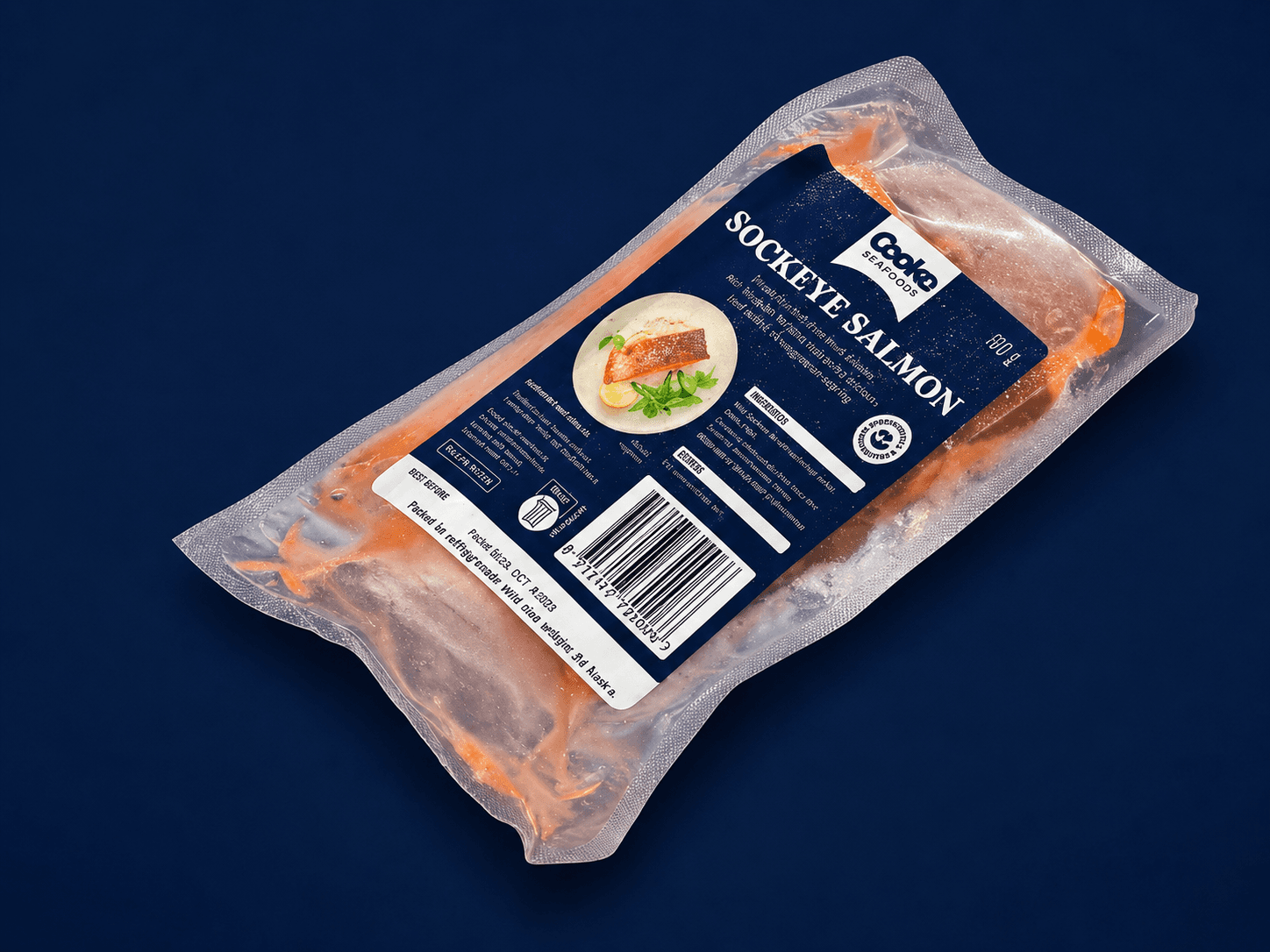
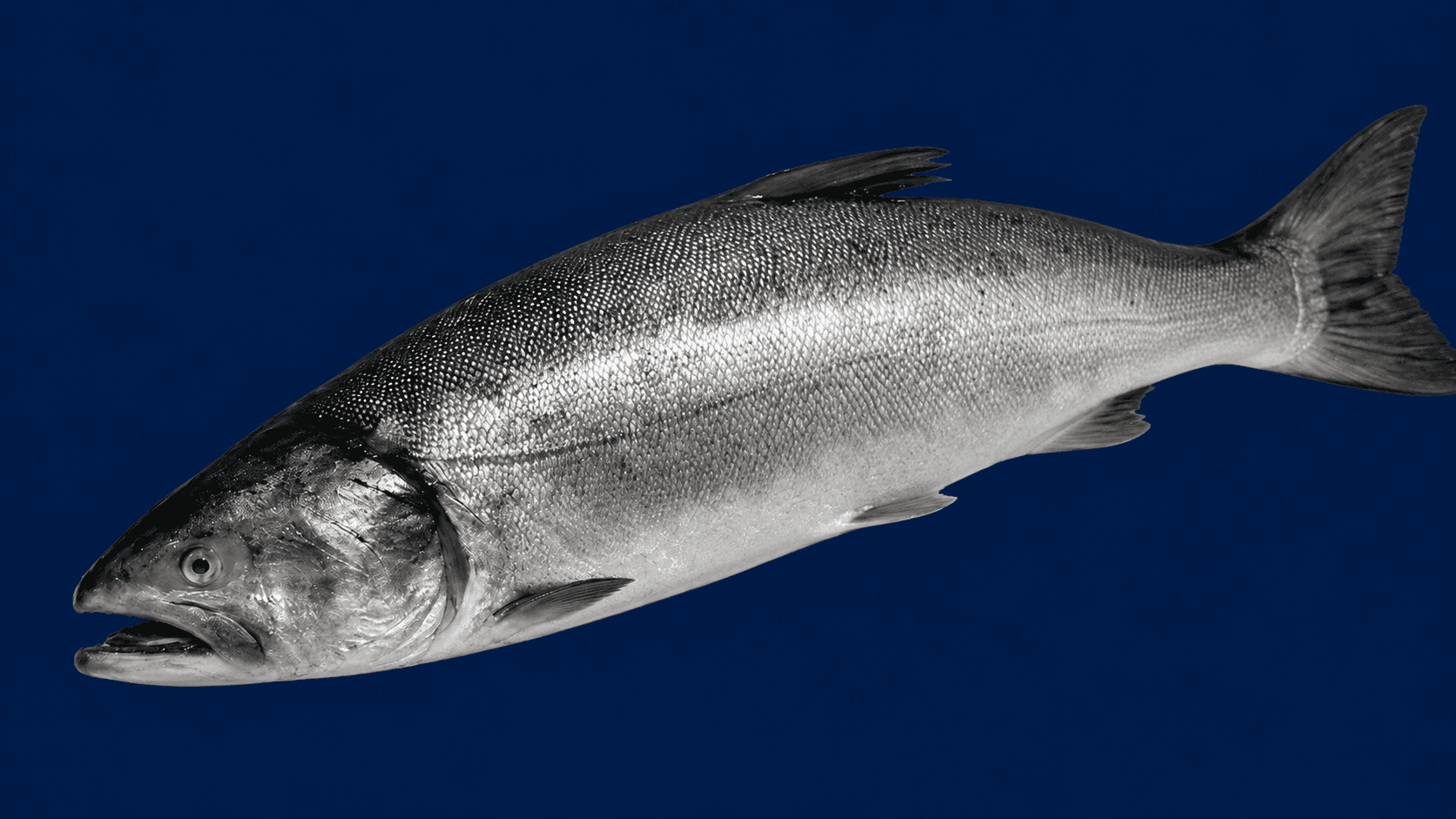
Sockeye is wild caught Pacific salmon, and it looks nothing like the other two. The flesh is deep, almost crimson red. That colour is not added: sockeye feed heavily on krill, and the pigment concentrates in the muscle.
It is also markedly leaner. Less fat means firmer texture, stronger flavour and far less margin for error at the stove. Sockeye goes from perfect to chalky in under a minute.
Buy it for: hot and fast cooking, hot smoking, or anywhere you want salmon flavour to stand up to strong seasoning. It is superb with soy, chilli and citrus, which would bully a milder Atlantic fillet.
The rule with sockeye: pull it off the heat while the very centre still looks slightly translucent. Carryover heat finishes it on the plate.
Whole side, portion or block
The cut matters as much as the species.
Portions are the convenience option. Even thickness, no knife work, straight into the pan. Best when you are cooking for two to four.
A whole side is the value option and the entertaining option. You get a showpiece for the table and a much better price per kilo. Slow roast it whole at 140°C for 25 to 30 minutes and it stays translucent and tender all the way through.
A sashimi block is a different product entirely. It is trimmed, handled and stored specifically for raw service. Do not substitute a cooking portion for it. If you want salmon sashimi, buy the block.
Smoked salmon is worth keeping in the fridge as a standing option. It needs no cooking, keeps well sealed, and turns toast, pasta or a grazing board into something people comment on.
How to judge a good salmon fillet at the counter
Species aside, these are the things that separate a good piece from a tired one.
- The flesh should look wet, not dry. A gloss on the surface is good. A matte, papery look means it has been sitting.
- The fat lines should be white and defined, not grey and blurred into the flesh.
- Press it gently. It should spring back. A dent that stays is a fillet past its best.
- The smell should be clean and faintly sweet. Salmon that smells of anything sharp has been out of the water too long.
- The skin should be bright and tight, with the scales lying flat.
Quantity Planning
For a main course, allow 180 to 200 grams of skin on fillet per adult. Serving salmon as part of a bigger spread with prawns, salads and sides drops that to about 150 grams a head.
A whole side runs between 1.2 and 1.6 kilograms and comfortably feeds six to eight. If you are catering a larger table, two smaller sides cook more evenly than one very large one, and they give you two hot dishes coming out of the oven rather than one that goes cold at the far end.
Where to Source It
Tasman Star carries Tasmanian Atlantic salmon, whole King Ora, fresh sockeye fillet, salmon portions, sashimi blocks and smoked salmon trays, so you can pick the fish to suit the job rather than taking whatever is left. The team at Labrador and Varsity Lakes will skin, portion or pin bone anything you buy, at no extra cost.
Visit us at 5 to 7 Olsen Ave, Labrador or 20 Casua Dr, Varsity Lakes, open 7 AM to 6 PM, 7 days.
Browse fresh salmon and order online for Gold Coast delivery.
Shop this recipe
Everything below is stocked fresh and delivers across the Gold Coast.
Written by
The Tasman Star Team · Gold Coast fishmongers
Articles from the fishmongers at Tasman Star Seafood. We source, fillet and sell fresh seafood on the Gold Coast seven days a week, and everything we publish comes from what we handle in the shop.
Fresh seafood delivered to your door
Order online from Tasman Star Seafood, Gold Coast delivery, open 7 days.
More Seafood Articles
Caviar vs Salmon Roe vs Tobiko: What Australians Are Actually Buying
True caviar is salted sturgeon eggs. Salmon roe, tobiko and masago are different fish eggs at different prices. A Gold Coast fishmonger's table of grain size, flavour and use.
Buying GuidesLobster vs Crayfish vs Moreton Bay Bug: What Is the Difference
In Australia, crayfish is usually rock lobster. Moreton Bay bugs are slipper lobsters. True freshwater crayfish are yabbies. A Gold Coast comparison of taste, meat, price and how to cook each.
Buying GuidesHot Smoked, Cold Smoked and Candied Salmon: What Is the Difference
Cold smoked salmon is silky and raw-cured. Hot smoked is flaky and cooked. Candied salmon is hot smoked with a sweet glaze. Shelf life, texture and how to serve each.