
Salmon Teriyaki: A Four Ingredient Sauce and a Fifteen Minute Dinner
Salmon Teriyaki: A Four Ingredient Sauce and a Fifteen Minute Dinner
TL;DR: Equal parts soy, mirin and sake, plus sugar. Crisp the salmon skin side down for five minutes, take it out, reduce the sauce in the same pan for three minutes, and glaze the flesh only. Serve skin side up.
Teriyaki has been flattened into a bottle of sweet brown sauce, which is a shame, because the real thing is four ingredients you probably have and it takes three minutes to make. The word itself describes a technique rather than a flavour: teri is the shine, yaki is the grilling. It is a glaze you build in the pan, not a marinade you soak things in.
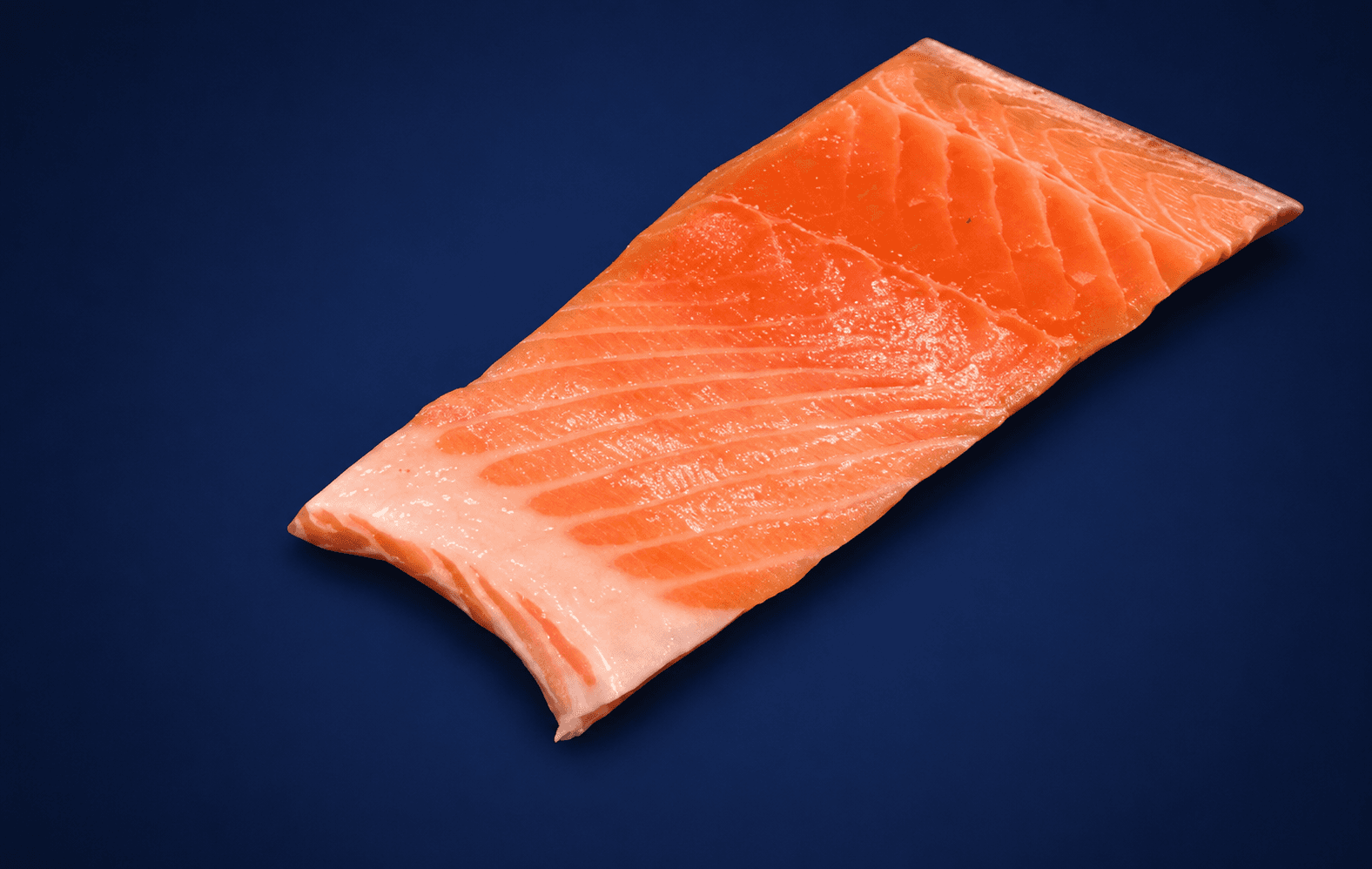
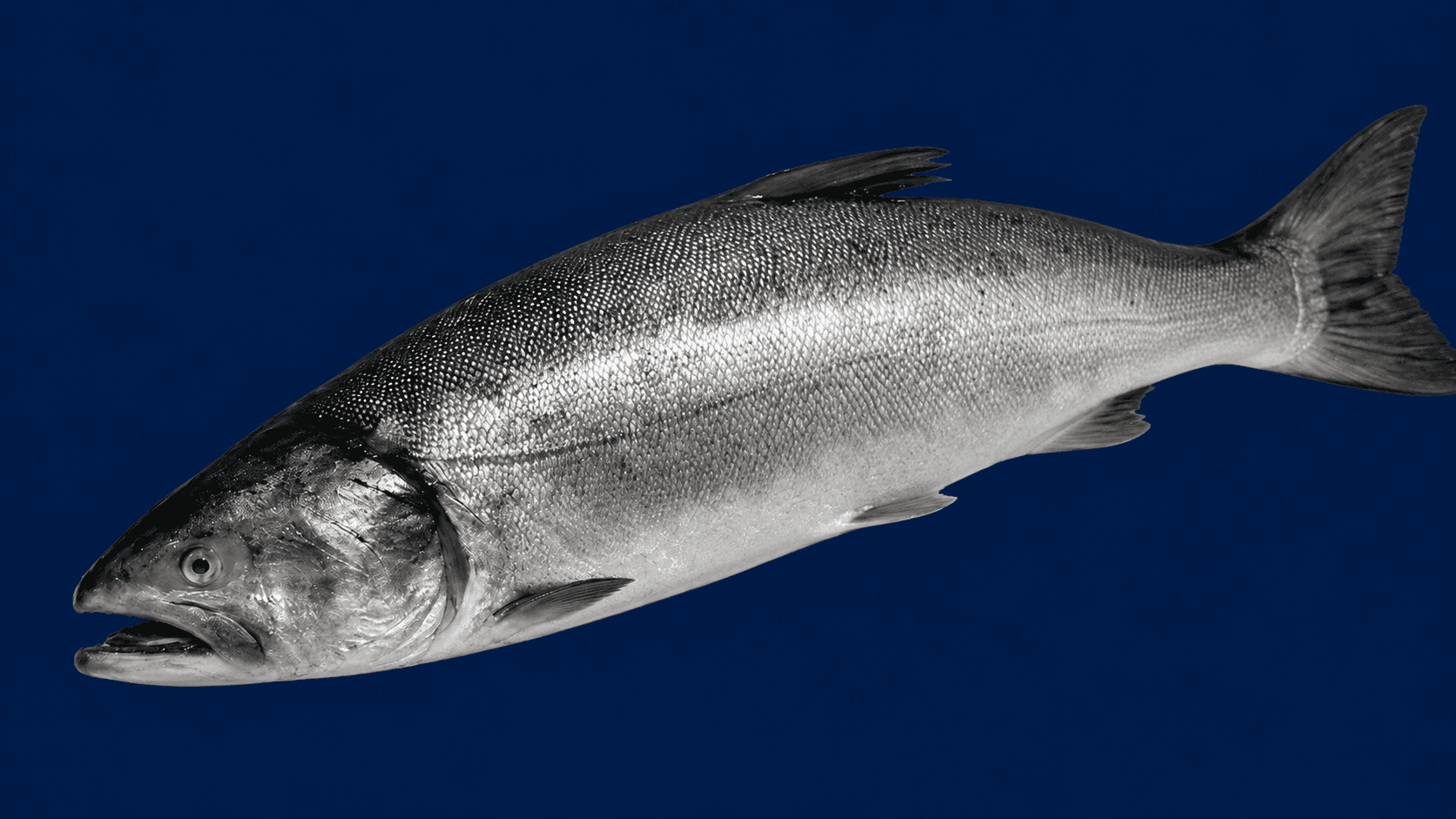
Salmon is the best fish for it. The fat in the flesh stands up to soy and sugar, and the skin crisps into something worth the effort on its own.
The ratio worth memorising
One part soy, one part mirin, one part sake, plus sugar to taste.
That is it. A quarter cup of each with two tablespoons of caster sugar glazes four fillets with sauce left over for the rice.
Each ingredient is doing a job:
- Soy is the salt and the colour.
- Mirin is sweet rice wine, and it is what gives teriyaki its gloss. The shine comes from mirin, not from cornflour.
- Sake thins the sauce, softens the salt and cooks off, leaving depth behind.
- Sugar is what lets the sauce reduce into a glaze rather than staying a liquid.
Grated ginger is a common addition and a good one. Garlic is not traditional and is also very good. Everything past that is a different sauce wearing teriyaki's name.
Substitutions: dry sherry for sake, and two parts water to one part sugar for mirin. Neither is exactly right but both work.
Crisp skin under a sweet sauce
This is the part people get wrong, and the fix is one of order rather than technique.
Dry the skin. Paper towel, both sides, properly. Wet skin steams and never crisps. Fifteen minutes uncovered in the fridge is even better if you have the time.
Medium high heat, then leave it alone. Salmon skin side down for four to five minutes without touching it. It will release from the pan by itself when it is ready, and trying to lift it early is how you leave the skin behind.
Press it flat for the first ten seconds. Fillets curl as the skin contracts and the middle lifts away from the pan. A spatula held down for ten seconds stops that permanently.
Take the fish out before the sauce goes in. This is the important one. Sauce in a pan with crisp skin in it softens the skin in under a minute. Remove the fillets, reduce the glaze, and only bring the salmon back for thirty seconds on the flesh side.
Serve skin side up. Put the extra glaze on the rice, not on the skin.
Reducing the glaze
Pour the mixture into the hot pan, keeping all the browned bits that the salmon left behind, and let it bubble for two to three minutes.
You are looking for it to coat the back of a spoon and leave a clear line when you drag a finger through it. It thickens noticeably as it cools, so pull it off slightly looser than you think you want.
Do not leave the pan. Sugar goes from glaze to burnt caramel in about twenty seconds, and a scorched teriyaki tastes bitter all the way through.
If it goes too thick, a splash of water brings it straight back.
Cooking the salmon right
Salmon is served at a lower internal temperature than most people expect. Somewhere around 50 to 55°C in the centre leaves it moist and just translucent in the middle. Cooked to 65°C it is dry, chalky and squeezing white albumin out of the flesh.
Without a thermometer, go by feel: firm at the edges, a slight give in the centre, flakes still glossy rather than pale and dry. Take it off the heat a little early, because a hot fillet keeps cooking on the plate for another minute or two.
Thick centre cut portions are far more forgiving than thin tail pieces, which overcook in the time it takes the skin to crisp.
What else works with this sauce
The glaze is not just for salmon.
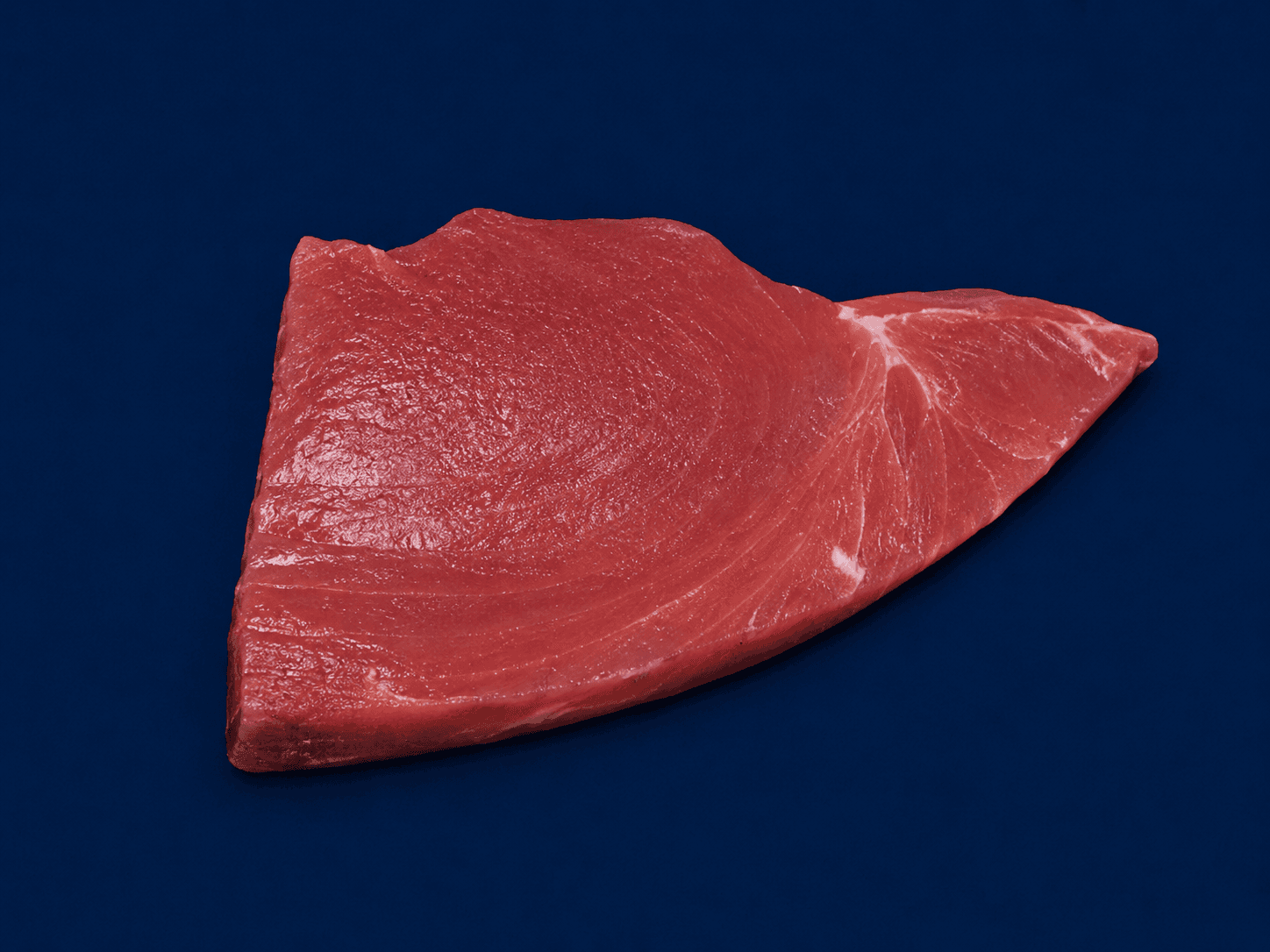
- Tuna steaks. Sear 90 seconds a side, glaze, and leave the middle rare.
- Barramundi and other firm white fish. Excellent, and cooks a minute faster.
- Prawns. Green prawns in a hot pan for two minutes, then glaze.
- Chicken thigh. The original use, and the reason most people have met teriyaki at all.
The sauce keeps in a jar in the fridge for two weeks and reduces again from cold with no trouble.
Serving it
Steamed short grain rice, something green, and that is dinner. Blanched broccolini, wilted spinach with sesame or a simple cucumber salad all balance the sweetness of the glaze.
Sesame seeds and sliced spring onion on top. A wedge of lemon is not Japanese and is still a good idea.
Quantity Planning
Salmon as a main course: 180 to 220 grams of fillet per adult, which is one standard portion each. For children: 100 to 120 grams. Sauce: this quantity glazes four to six fillets, so make the full batch even for two and keep the rest.
For eight people, that is about 1.5 kilograms of salmon portions and a double batch of glaze, cooked in two pans rather than one crowded one.
Where to Source It
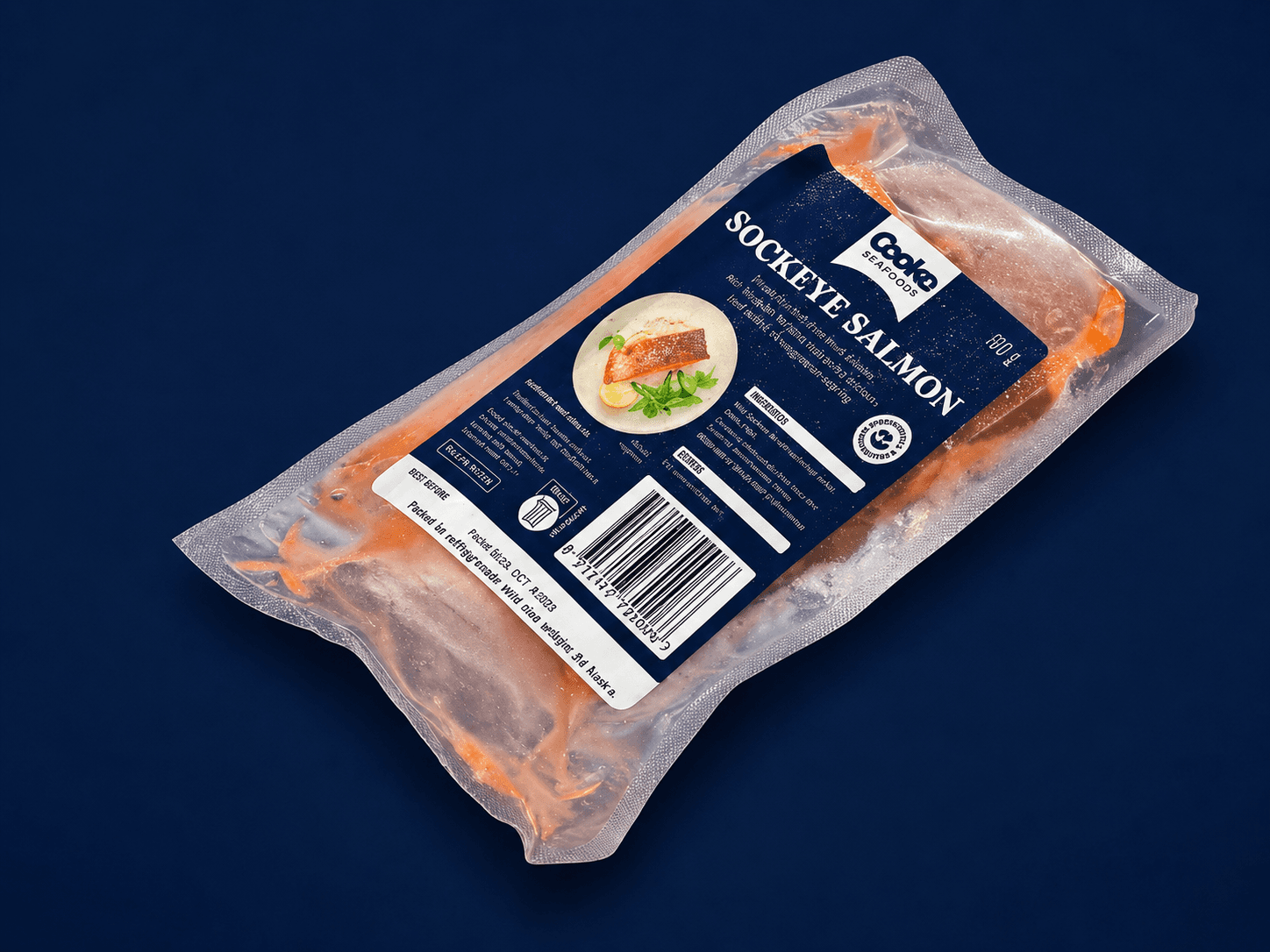
Tasman Star cuts salmon portions from whole sides on the counter, so you can ask for the thickness you want rather than taking whatever is in a pre packed tray. Ask for centre cut pieces for this recipe, since they are even in thickness and much more forgiving in a hot pan. Skin on is essential here, so say so when you order.
Find us at 5 to 7 Olsen Ave, Labrador or 20 Casua Dr, Varsity Lakes, open 7 AM to 6 PM, 7 days.
Browse salmon portions and order online for Gold Coast delivery.
Shop this recipe
Everything below is stocked fresh and delivers across the Gold Coast.
Written by
The Tasman Star Team · Gold Coast fishmongers
Articles from the fishmongers at Tasman Star Seafood. We source, fillet and sell fresh seafood on the Gold Coast seven days a week, and everything we publish comes from what we handle in the shop.
Fresh seafood delivered to your door
Order online from Tasman Star Seafood, Gold Coast delivery, open 7 days.
More Seafood Articles
Crispy Fish Tacos: The Best Australian Fish for the Job
Fish tacos live or die on the fish you choose and how dry the batter stays. Here is the recipe, plus which Australian species hold up in a hot pan and which fall apart.
RecipesSeafood Paella at Home: The Rice, the Socarrat, the Timing
A proper seafood paella built around a Gold Coast marinara mix. The rice rules, the order the seafood goes in, and how to get the crisp socarrat on the base.
RecipesVietnamese Caramel Fish: Cá Kho Tộ Without a Clay Pot
Bitter caramel, fish sauce and slow braised fish. How to make cá kho tộ at home, how far to take the caramel, and which Australian fish stands up to it.