
What Is Sashimi Grade Fish? The Australian Guide
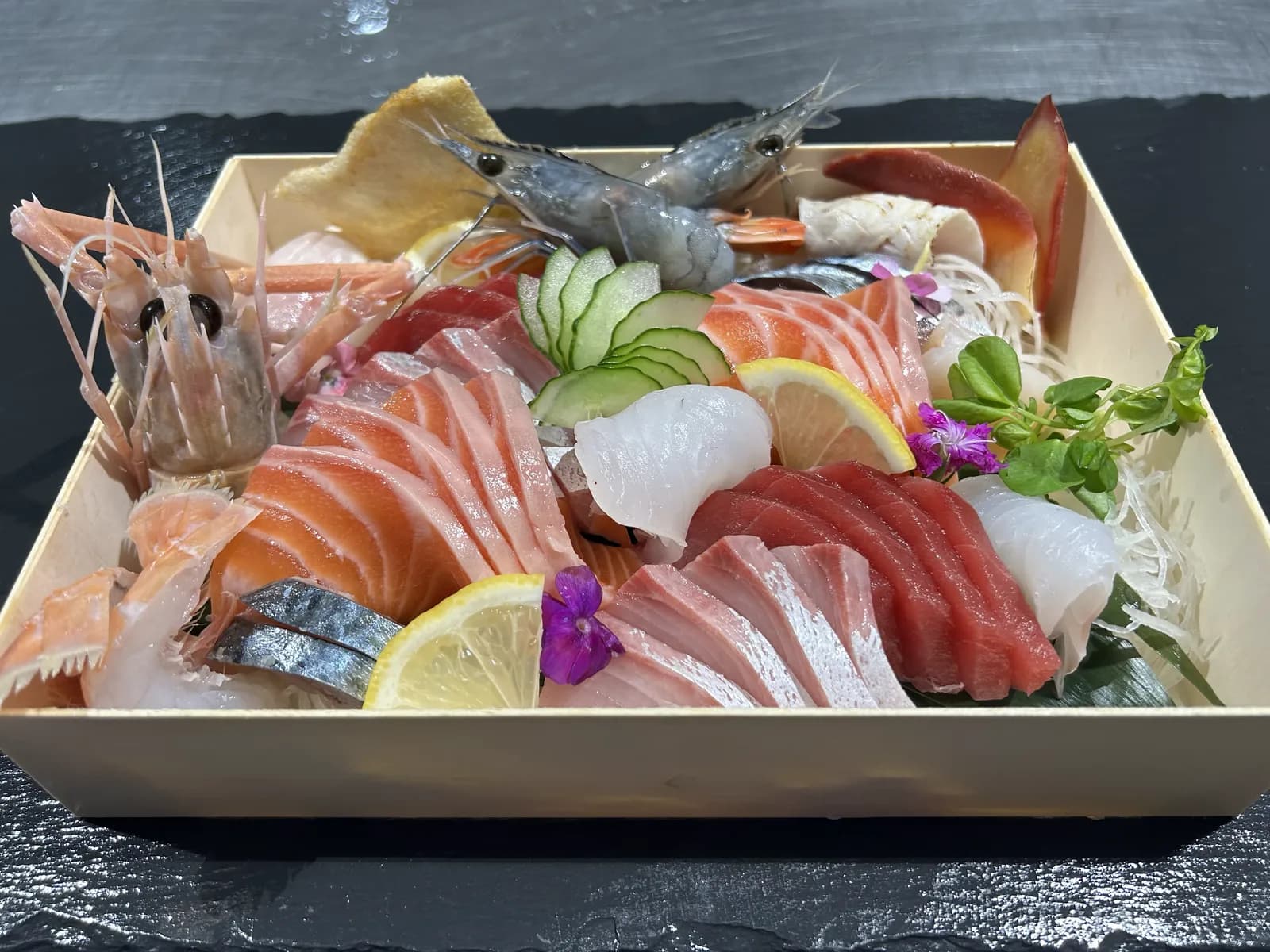
What Is Sashimi Grade Fish? The Australian Guide
TL;DR: "Sashimi grade" in Australia means a fishmonger has assessed the fish as fresh, properly handled, and safe enough for raw eating. It is not a government certification. It is a quality standard applied at the point of sale. The safest choices are Tasmanian farmed Atlantic salmon and South Australian Hiramasa kingfish, both of which carry very low parasite risk due to controlled aquaculture conditions.
Key facts:
- "Sashimi grade" has no legal definition in Australia. It is a fishmonger's quality assessment, not a government certification
- The two safest raw-eating species in Australia are Tasmanian Atlantic salmon (farmed, Tassal/Huon Aquaculture) and South Australian Hiramasa kingfish (farmed, Clean Seas Seafood)
- The main parasite risk in wild fish is Anisakis simplex, a roundworm killed by freezing to –18°C for 24+ hours or by continuous storage at 0°C for fresh assessment
- Farmed salmon has near-zero Anisakis risk because aquaculture feed is pellet-based, breaking the parasite's lifecycle
- Storage temperature for sashimi-grade fish: 0–2°C. At 4°C and above, bacterial growth accelerates and raw-eating quality degrades within hours
The Term Has No Legal Definition in Australia
Here is the first thing you should know: "sashimi grade" is not a regulated term in Australia. There is no official government certification, no FSANZ standard, and no audit that grants a fish the label. Any fishmonger can write it, which means the term is only as trustworthy as the business using it.
What the term should mean (and what reputable fishmongers like Tasman Star Seafood apply it to mean) is a combination of:
- Speed of chilling after catch: fish iced or chilled within hours of landing
- Continuous cold chain: stored and handled at 0–2°C from catch to sale, with no break in temperature
- Parasite management: either from low-risk species/farming method, or frozen to –18°C for 24+ hours per FSANZ guidelines (Australia's Food Standards Code, Standard 4.2.1)
- Freshness assessment: clear eyes, bright gills, firm flesh, clean ocean smell; assessed by a trained fishmonger before being offered for raw service
When a Gold Coast fishmonger with 30 years in the industry (like Tasman Star) uses the term, it carries the weight of that experience. When a bulk retailer with no specialist seafood background uses it, take more care.
Which Species Are Safe to Eat Raw?
Not all fish carry the same raw-eating risk. Here is how to think about it by species:
Lowest risk: farmed in controlled conditions
Tasmanian Atlantic Salmon is by far the most widely available and safest sashimi fish in Australia. Farmed in the cold, clean waters of southern Tasmania (primarily by Tassal and Huon Aquaculture, both of which hold third-party sustainability certifications), these fish are raised on controlled pellet-based feed that breaks the lifecycle of Anisakis simplex, the roundworm that causes concern in wild fish. This is the core reason farmed Atlantic salmon can be served raw without prior freezing: the parasite risk is managed at the source, not at the point of sale. The cold chain from Tasmanian farms to mainland fishmongers is one of the tightest in the Australian seafood supply chain.
Hiramasa Kingfish (Seriola lalandi, farmed in South Australia, predominantly by Clean Seas Seafood in the Spencer Gulf) falls into the same category: farmed, pellet-fed, cold chain-controlled, and very low in parasite risk. It has a firmer texture and cleaner, less fatty flavour than salmon, which makes it a popular choice for nigiri and thicker sashimi cuts.
Low to moderate risk: deep ocean, wild-caught
Yellowfin Tuna is a deep-ocean pelagic species with a naturally lower parasite risk than coastal bottom-dwelling fish. Reputable fishmongers handle it as sashimi-ready. When tuna is in season at Tasman Star, it is assessed for raw service before being offered as sashimi. It is not available year-round. Quality and availability are seasonal.
Queensland Snapper (wild-caught) can be served as sashimi when it meets the freshness standard. Being a reef fish, it carries more parasite risk than farmed species. At Tasman Star, wild sashimi cuts are only offered when the catch quality justifies it. Staff will tell you directly if the day's snapper is suitable for raw service.
Higher risk: require freezing before raw service
Most coastal and bottom-dwelling wild species (flathead, whiting, bream) require freezing to –18°C for 24 hours minimum before raw serving, per FSANZ guidelines (Australia's Food Standards Code Standard 4.2.1), to eliminate the risk of Anisakis simplex and related nematode species. These fish are excellent for cooking, not the default choice for raw sashimi unless specifically handled for it. A fishmonger who cannot confirm freeze treatment for wild sashimi cuts should not be offering them for raw consumption.
The Cold Chain Is Everything
The difference between a sashimi-ready fish and a "cook it tonight" fish is often not the species. It is the handling. A perfect salmon fillet that sat at 6°C for two days is no longer sashimi material. The same fish handled at 0–2°C for 48 hours is still excellent raw.
This is why buying sashimi-grade fish from a specialist fishmonger matters:
- Tasman Star Seafood's own commercial trawler fleet lands fish that goes from ocean to cold room within 24–48 hours
- Temperature is held at 0–2°C through every step: vessel ice, cold room, display cabinet, delivery vehicle
- Staff assess each sashimi line daily and make the call on whether it meets raw-service standard
- The chain never hands off to a third-party distributor for retail fish. Tasman Star handles it directly
How to Buy Sashimi Grade Fish on the Gold Coast
Step 1: Go to a specialist fishmonger, not a supermarket. Supermarket salmon is not labelled or stored for raw consumption. The cold chain from supplier to display is not maintained at sashimi standard, and no qualified fishmonger is making raw-service assessments on the floor. For sashimi at home, always source from a dedicated seafood specialist.
Step 2: Ask the fishmonger directly. At Tasman Star Seafood, staff can tell you what is sashimi-ready today and what arrived this morning. They can also tell you how the fish was handled and whether it was frozen for parasite management. If they can't answer that question, that is your answer.
Step 3: Ask about species and origin. Tasmanian farmed salmon and South Australian kingfish are your safest bets. Wild yellowfin tuna when in season. For anything else, ask whether it's been frozen to –18°C.
Step 4: Handle it correctly at home. Once you leave the store, the clock is running. Keep sashimi fish in the coldest part of your fridge (back of the bottom shelf), use it the same day or the next day at the latest, and keep it sealed in its original packaging or wrapped in cling film.
Can You Freeze Sashimi Grade Fish?
Yes. Freezing sashimi-grade fish is a legitimate, safe practice and extends usable shelf life considerably.
Whole uncut blocks: wrap tightly in cling film, place in a zip-lock bag, and freeze at –18°C or below. Shelf life: up to 3 months without safety concern. Quality note: fatty fish like Atlantic salmon begin to show texture and flavour degradation after 4–6 weeks of freezing, even when technically safe. Leaner fish like tuna hold quality slightly longer.
Once thawed: use within 24 hours. Do not refreeze. Refreezing degrades cellular structure and introduces additional bacterial exposure windows. The issue with buying frozen sashimi-grade blocks from a fishmonger and thawing at home is not the freezing itself. It is refreezing after cutting.
Thaw method: overnight in the fridge at 0–2°C. Never at room temperature. Never in water (even cold water accelerates bacterial growth on the surface). The fridge thaw preserves the cold chain through the defrost cycle.
An important safety point: freezing wild-caught fish to –18°C for 24+ hours is actually the recommended method for increasing raw-eating safety. FSANZ guidelines (Food Standards Code Standard 4.2.1) prescribe exactly this freeze treatment to kill Anisakis simplex and related nematodes in higher-risk wild species. A frozen-then-thawed sashimi-grade block from a reputable fishmonger is not a compromise. It is, in many cases, a safer option than fresh wild-caught fish that has not been frozen.
How Long Does Sashimi Grade Fish Last in the Fridge?
| Form | Storage temp | Shelf life |
|---|---|---|
| Whole sashimi-grade fillet (uncut, original packaging) | 0–2°C | 2–3 days |
| Sliced sashimi (cut portions) | 0–2°C | Same day: consume within 2 hours of cutting |
| Sashimi-grade block (vacuum-sealed) | 0–2°C | Up to date on packaging, usually 3–5 days |
| Frozen sashimi block (home freezer) | –18°C or below | Up to 3 months |
The coldest part of a domestic fridge is the back of the bottom shelf, typically 0–2°C. The door and upper shelves run warmer. Store sashimi-grade fish at the back of the bottom shelf, not in a crisper drawer (which runs at 4–8°C).
How to Assess Freshness Yourself
When buying fish you intend to eat raw, check five things before committing. A reputable fishmonger will not object to you asking to see the whole fish or gill plate.
Eyes: Should be clear, bright, and convex (bulging slightly). Sunken, cloudy, or flat eyes mean the fish has been in ice too long or is past its best.
Gills: Lift the gill plate. Gills should be deep red to bright pink, moist, and with no slime. Brown, grey, or pale pink gills indicate age.
Flesh: Press the flesh with your finger. It should spring back immediately (rigor mortis has passed, but flesh is still firm). A dent that stays means the proteins are degrading.
Smell: Clean ocean or seawater smell. No ammonia. No sour notes. No "fishy" odour: that is trimethylamine produced by bacterial activity, not freshness. Fresh fish does not smell like fish.
Skin: Bright, metallic sheen on wild fish. No dullness, no sliminess on the surface.
Sashimi-grade fish passes all five checks. If it fails one, a reputable fishmonger will not cut it for raw service. They will redirect it to cooked product. At Tasman Star Seafood, staff assess sashimi lines daily against these criteria before the morning cut begins.
Supermarket vs Specialist Fishmonger for Sashimi
The question comes up often: can you buy salmon at Coles or Woolworths and eat it raw? Here is the honest comparison.
| Major supermarket (Coles/Woolworths) | General fishmonger | Tasman Star Seafood | |
|---|---|---|---|
| Cold chain standard | 4–8°C (retail refrigeration) | 0–4°C (variable) | 0–2°C (sashimi standard) |
| Raw-eating assessment | None, not assessed for raw service | Varies by operator | Daily by trained staff before cut |
| Sashimi label on salmon | Sometimes, no standard applied | Sometimes | Only when freshness standard is met |
| Parasite verification | Not provided | Varies | Confirmed by species origin |
| Supply chain | Centralised distributor (2–4 days) | Varies | Fleet + direct market, 24–48 hours |
| Staff knowledge | General retail | Variable | Specialist fishmongers, 30+ years |
The gap is not the species. Both sell Tasmanian salmon. The gap is the cold chain and the point-of-sale assessment. A supermarket has no mechanism to decide whether today's salmon is safe to eat raw. A specialist fishmonger makes that call every morning.
Sashimi and Food Safety for Vulnerable Groups
For most healthy adults, properly handled sashimi-grade fish from a reputable fishmonger carries an acceptable and very low risk. For some groups, the calculus is different.
FSANZ advice: Food Standards Australia New Zealand advises pregnant women, young children, elderly people, and immunocompromised individuals to avoid raw or undercooked seafood. This advice applies even to sashimi-grade product.
The specific risk is Listeria monocytogenes, a bacterium distinct from parasites like Anisakis. Listeria can survive and slowly multiply even at refrigeration temperatures (0–4°C), making it a particular concern for raw, ready-to-eat products. Unlike parasites, Listeria is not eliminated by freezing. For healthy adults, the bacterial load on properly handled sashimi fish is typically too low to cause illness. For high-risk groups, even that small load represents a meaningful risk.
Practical guidance for mixed groups: if you are preparing sashimi at home and some guests are pregnant, elderly, or immunocompromised, offer a lightly seared alternative. Tataki-style searing (a quick sear on each surface of the fillet) eliminates surface bacteria while leaving the interior largely raw. This is a well-established middle ground in Japanese and Australian restaurants.
The FSANZ food safety advice for pregnancy in Australia explicitly lists raw fish under "foods to avoid during pregnancy." It can be found at foodstandards.gov.au.
→ How much sashimi do you need per person? See our complete sashimi portion guide covering entrée, main course, and event quantities.
Where to Buy Sashimi Grade Fish on the Gold Coast
Tasman Star Seafood stocks sashimi-ready fish daily at:
| Store | Address | Phone |
|---|---|---|
| Varsity Lakes (flagship) | 20 Casua Dr, Varsity Lakes QLD 4227 | (07) 5522 1221 |
| Labrador | 5-7 Olsen Ave, Labrador QLD 4215 | (07) 5529 2500 |
Both stores open 7 days, 7 AM–6 PM.
Available sashimi species (subject to daily availability and quality assessment):
- Atlantic salmon (Tasmanian): usually available daily
- Yellowfin tuna: seasonal, ask staff
- Hiramasa kingfish: ask staff
- Queensland snapper: when catch quality allows
Sashimi platters for events and parties are also available: small, medium, large, and custom options. See: tasmanstarseafoodmarket.com.au/sushi-sashimi
Delivery available 7 days a week across the Gold Coast, and Tuesday, Friday to Northern Rivers NSW including Byron Bay and Ballina.
Summary: What Sashimi Grade Really Means
| Requirement | What It Means in Practice |
|---|---|
| Speed of chill | Fish iced within hours of catch |
| Cold chain | 0–2°C continuous from boat to sale |
| Parasite management | Farmed species (low risk) or frozen –18°C/24h+ (FSANZ Standard 4.2.1) |
| Freshness standard | Clear eyes, bright red gills, firm flesh, clean ocean smell |
| Who decides | Your fishmonger. Buy from someone who knows |
| Species | Farming/Source | Parasite risk | Safe raw without freezing? |
|---|---|---|---|
| Tasmanian Atlantic Salmon | Tassal / Huon Aquaculture (farmed) | Very low | Yes |
| Hiramasa Kingfish | Clean Seas Seafood, SA (farmed) | Very low | Yes |
| Yellowfin Tuna | Deep ocean, wild | Low | Generally yes, fishmonger assessed |
| Queensland Snapper | Wild reef fish | Moderate | Only when fishmonger confirms |
| Flathead / Whiting / Bream | Wild, coastal | Higher | No, freeze to –18°C/24h+ first |
Sashimi grade is not a government stamp. It is a professional standard applied by a skilled fishmonger with experience and accountability. On the Gold Coast, Tasman Star Seafood has been doing this for over 30 years.
Written by
The Tasman Star Team · Gold Coast fishmongers
Articles from the fishmongers at Tasman Star Seafood. We source, fillet and sell fresh seafood on the Gold Coast seven days a week, and everything we publish comes from what we handle in the shop.
Fresh seafood delivered to your door
Order sashimi platters online from Tasman Star Seafood, Gold Coast delivery, open 7 days.
More Seafood Articles
How to Build a Seafood Platter for 2, 4, 6, 10 or 20 People
Seafood platter quantities that actually work: grams per person, a shopping list for 2 to 20 guests, and how a $200 Father's Day spend unlocks free merch online or in store.
GuidesIs Flake Shark? What Australian Fish and Chip Shops Actually Sell
Yes. Flake is shark, usually gummy shark. It is mild, boneless and common in fish and chips. Here is the species table, the mercury note, and what to cook instead.
GuidesWhat Is Mullet Roe? Bottarga, Fresh Roe and How Australians Eat It
Mullet roe is the egg sack of sea mullet. Fresh, it fries crisp. Cured, it is bottarga. Same fish as Mediterranean grey mullet. A Gold Coast guide to buying, curing and cooking it.