
How to Store and Keep Seafood Fresh Over the Easter Long Weekend
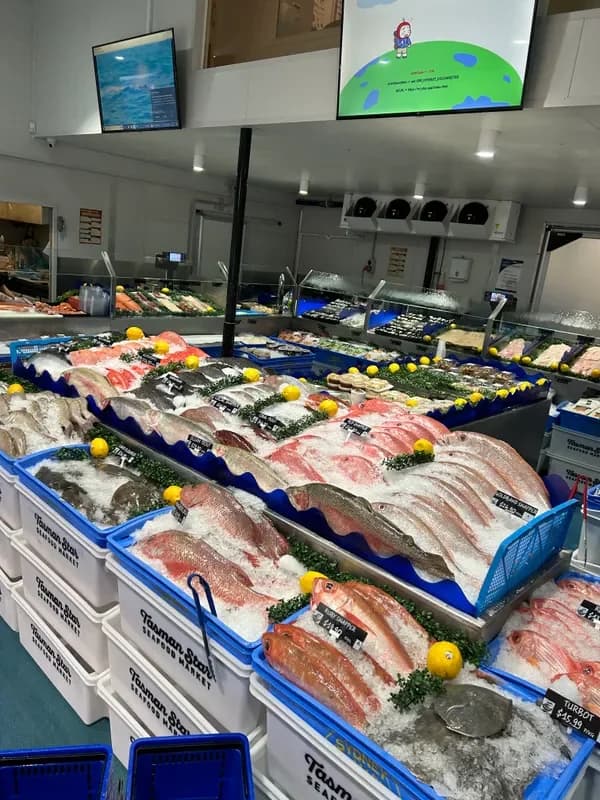
TL;DR: Most raw seafood gives you 24–48 hours in the fridge; buy close to when you plan to eat it, store at 0–4°C on the bottom shelf, and freeze anything you will not use within two days.
The General Rule
Seafood spoils faster than almost any other protein. The window for raw fish fillets is 1–2 days in the fridge. Whole fish, with the skin intact, lasts slightly longer at 2–3 days. Raw prawns in their shells: 1–2 days. Plan your Easter purchases around when you will actually eat each item, not around when it would be convenient to shop.
If there is any doubt about whether you will use something in time, freeze it immediately. Seafood frozen at peak freshness is far better than seafood that spent an extra day in the fridge.
Storage by Type
Whole Fish
Whole fish should be stored on the bottom shelf of the fridge at 0–4°C. Remove from any plastic store packaging and place the fish on a clean tray or plate. Lay a sheet of plastic wrap directly over the fish, then place a sealed zip-lock bag filled with ice on top. This mimics the cold display conditions of a fish shop and extends freshness by several hours. Replace the ice as it melts.
Do not seal whole fish inside a plastic bag with no airflow. Moisture accumulates against the skin and accelerates bacterial growth.
Fish Fillets
Pat fillets dry with paper towel as soon as you get home. Surface moisture is the enemy. Place on a clean plate or tray, cover tightly with plastic wrap, and store on the bottom shelf at the back of the fridge (the coldest, most stable zone). A bag of ice placed on top provides extra protection for particularly hot Gold Coast days.
Fillets have a shorter window than whole fish because the skin barrier is gone. Use within 24 hours of purchase for the best quality, and no later than 48 hours.
Raw Prawns
Leave raw prawns in their shells. The shell is a natural moisture barrier. Place them in a colander set over a bowl to allow any liquid to drain away rather than pool against the flesh. Cover with damp paper towels and add some crushed ice on top. Store on the bottom shelf. Use within 1–2 days.
Do not store raw prawns in a sealed bag sitting in their own liquid. The moisture and lack of airflow speed up deterioration significantly.
Oysters
Oysters are alive until you shuck them and must be treated accordingly. Store them cup-side down (deeper shell facing down) in the fridge at 2–5°C. Cover with a damp cloth: not plastic wrap, not a sealed container, and never submerged in fresh water. Oysters breathe and need airflow. Fresh water will kill them.
Unshucked oysters stored this way will last 5–7 days. Shuck just before serving. Do not freeze raw oysters. The flesh turns unpleasantly mushy on thawing.
Live Shellfish (Mussels, Pipis, Clams)
Store in the fridge in an open container covered with a damp cloth. Discard any shells that are cracked or that do not close when tapped sharply. Those animals are already dead. Live shellfish last 1–2 days. Cook them on the day you plan to eat them if at all possible.
The Fridge Zone
The bottom shelf at the back of your fridge is where seafood should live. Most domestic fridges hold the bottom zone closest to 0°C, while the top shelf and door can sit 3–4°C warmer. Over an Easter long weekend with the fridge opening frequently for drinks and leftovers, those extra degrees make a real difference.
Set your fridge to 2–4°C for the weekend if you have a lot of seafood to hold.
What Not to Do
Do not seal wet fish in a plastic bag. Trapping moisture against the flesh creates the ideal environment for bacteria. Always drain, pat dry, and allow some airflow.
Do not leave seafood at room temperature for more than 2 hours. On a Gold Coast day above 30°C, reduce this to 1 hour. The bacterial danger zone is 5–60°C. On an outdoor Easter table in direct sun, a prawn platter can reach unsafe temperatures in under 40 minutes. Keep platters on crushed ice and rotate smaller batches from the fridge rather than putting everything out at once.
Do not assume the fridge will save seafood that is already declining. Cold slows bacterial growth; it does not stop it, and it does not reverse spoilage that has already begun. If it smells off before it goes in the fridge, it will be worse when it comes out.
When to Freeze
Freeze at peak freshness, not as a last resort. If you bought fish on Thursday and your next meal plan is Sunday, freeze it Thursday night. Wrap individual portions tightly in plastic wrap, double-bag in a zip-lock freezer bag with as much air removed as possible, label with the date, and freeze. Fresh fish keeps for 2–3 months this way. Thaw in the fridge overnight before use.
For Easter weekend planning, order from Tasman Star Seafood with delivery timed to your meal schedule. Our online delivery runs 7 days a week, so you can receive fillets on Friday morning for a Good Friday dinner and Saturday morning for the rest of the weekend.
Written by
The Tasman Star Team · Gold Coast fishmongers
Articles from the fishmongers at Tasman Star Seafood. We source, fillet and sell fresh seafood on the Gold Coast seven days a week, sharing seafood buying guides, cooking ideas and practical information for our customers.
Fresh seafood delivered to your door
Order online from Tasman Star Seafood, Gold Coast delivery Monday to Saturday.
More Seafood Articles
How to Build a Seafood Platter for 2, 4, 6, 10 or 20 People
Seafood platter quantities that actually work: grams per person, a shopping list for 2 to 20 guests, and how a $200 Father's Day spend unlocks free merch online or in store.
GuidesIs Flake Shark? What Australian Fish and Chip Shops Actually Sell
Yes. Flake is shark, usually gummy shark. It is mild, boneless and common in fish and chips. Here is the species table, the mercury note, and what to cook instead.
GuidesWhat Is Mullet Roe? Bottarga, Fresh Roe and How Australians Eat It
Mullet roe is the egg sack of sea mullet. Fresh, it fries crisp. Cured, it is bottarga. Same fish as Mediterranean grey mullet. A Gold Coast guide to buying, curing and cooking it.