
How to Keep Live Crabs Alive Before Cooking (Mud, Sand & Spanner)
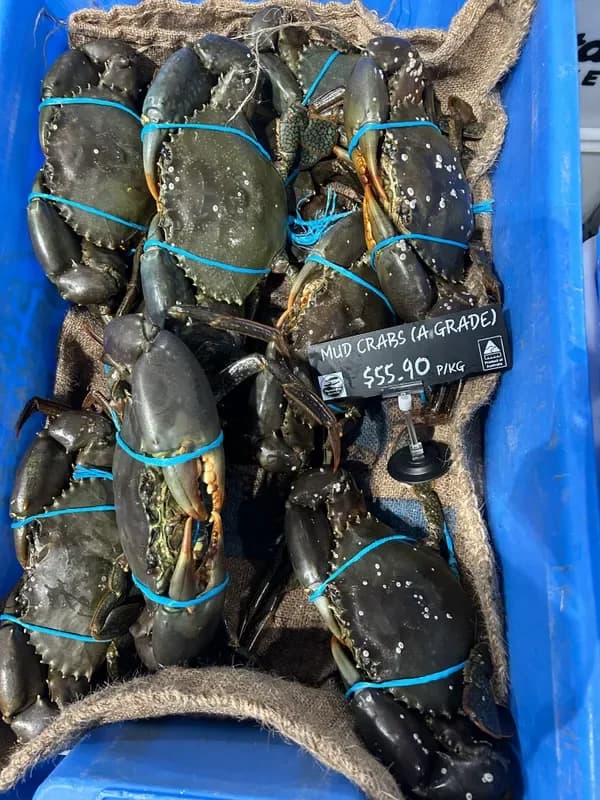
Quick answer: Keep live crabs cool, damp, and dark: in an open container in the bottom of the fridge (4–10°C), covered with a damp hessian sack or wet newspaper, claws banded. Never seal them in an airtight bag or submerge them in fresh water. Both kill saltwater crabs. Cook within 24 hours for the best meat; mud and spanner crab keep up to 48 hours.
Key facts:
- Store live crabs cool (4–10°C), damp, and in air, not submerged in water
- Cover with a damp hessian sack, wet newspaper, or damp tea towel to keep gills moist
- Keep them in an open container, an airtight bag suffocates them
- Fresh water kills saltwater crabs through osmotic shock, so never store them in it
- Mud and spanner crab keep 24–48 hours; sand crab is best within 12–24 hours
- The freezer is only for a 30–45 minute sedation chill right before cooking, not storage
- Cook live crab the same day for the best, fullest meat
The One Rule That Matters Most
Crabs breathe through gills that must stay moist, but they do not need to be underwater. The single most common way home cooks accidentally kill a live crab is by being too generous with water: dropping it in a bucket of fresh tap water, or sealing it in a bag where it can't breathe.
So the rule is: damp, not wet. Cool, not frozen. Open, not sealed.
Get that right and a mud or spanner crab will happily rest in your fridge for a day or two.
Step-by-Step: Storing Live Crabs in the Fridge
- Leave the claws banded. This protects you and stops the crabs damaging each other.
- Use an open container. A box, bowl, or tray, anything that lets air in. Never an airtight bag or sealed lid.
- Cover with a damp cloth. A damp hessian sack is traditional and ideal; wet newspaper or a damp tea towel works too. This keeps the gills moist so the crab can keep breathing.
- Put it in the bottom of the fridge (around 4–10°C). The cool makes the crab sluggish and calm, so it rests and uses less oxygen.
- Re-dampen the cloth if it dries out.
- Cook as soon as you can. Same day is best.
Why Fresh Water Kills Crabs
Mud, sand, and spanner crabs are saltwater and estuarine animals. Their bodies are tuned to seawater salinity. Drop one into fresh tap water and two things happen fast:
- Osmotic shock: water floods into the crab's tissues because the surrounding water is far less salty than its body, overwhelming it.
- Suffocation: still fresh water in a bucket or bag quickly runs out of oxygen; gills need either air with moisture or oxygen-rich moving seawater.
This is also why you shouldn't let a crab sit in a tray of melting ice: the meltwater is fresh, and the crab ends up sitting in exactly the wrong thing. If you ice them, keep the crab above the water with a rack or drainage.
How Long Do Live Crabs Last?
| Crab | Best quality | Maximum (stored correctly) |
|---|---|---|
| Mud crab | Same day | Up to 48 hours |
| Spanner crab | Same day | Up to 48 hours |
| Sand crab | Same day | 12–24 hours (more fragile) |
The clock is really about meat quality, not just survival. Even a crab that's still alive at 48 hours will have lost condition. It's been burning its own reserves. The fuller, sweeter meat is always in a crab cooked the day you bought it.
The Freezer: Sedation, Not Storage
There's one place the freezer fits in, and it's right before cooking, not for holding:
- A 30–45 minute freezer chill (or 20 minutes in an ice slurry) sedates the crab so you can dispatch it humanely before it goes in the pot.
- Leaving a live crab in the freezer for hours kills it slowly and degrades the meat texture. Don't do it.
For the full humane dispatch method, see how to cook a live mud crab.
Transporting Live Crab Home
On a warm Gold Coast day, the trip home matters:
- Use a breathable box or container lined with damp newspaper or hessian
- Keep it out of direct sun and out of a hot car cabin (the boot on a hot day can be worse than the cabin)
- Skip sealed plastic bags, they suffocate the crab
- Get it into the fridge as soon as you're home
If you've ordered for home delivery, Tasman Star packs live crab to travel; refrigerate it straight away on arrival.
How to Tell If a Crab Has Died
Before cooking, check each crab:
- Alive: legs react when touched, body has tension, smells clean and of the sea
- Dead: legs hang limp and unresponsive, body goes slack, often an ammonia or sour smell
Mud and spanner crab spoil extremely fast once dead because their digestive enzymes start breaking down the meat almost immediately. A crab that clearly died hours ago in storage should be discarded, not cooked.
Buying Live Crab on the Gold Coast
Tasman Star Seafood sells live mud crab and spanner crab at both stores, and our team will pack them properly for the trip home:
- Varsity Lakes: 20 Casua Dr, (07) 5522 1221
- Labrador: 5–7 Olsen Ave, (07) 5529 2500
Buying live and cooking the same day is always best, but now you know how to hold them safely if dinner has to wait a day. Gold Coast home delivery runs 7 days a week.
→ Ready to cook? See how to cook a live mud crab and our live spanner crab guide.
Written by
The Tasman Star Team · Gold Coast fishmongers
Articles from the fishmongers at Tasman Star Seafood. We source, fillet and sell fresh seafood on the Gold Coast seven days a week, sharing seafood buying guides, cooking ideas and practical information for our customers.
Fresh seafood delivered to your door
Order live crabs online from Tasman Star Seafood, Gold Coast delivery Monday to Saturday.
More Seafood Articles
How to Build a Seafood Platter for 2, 4, 6, 10 or 20 People
Seafood platter quantities that actually work: grams per person, a shopping list for 2 to 20 guests, and how a $200 Father's Day spend unlocks free merch online or in store.
GuidesIs Flake Shark? What Australian Fish and Chip Shops Actually Sell
Yes. Flake is shark, usually gummy shark. It is mild, boneless and common in fish and chips. Here is the species table, the mercury note, and what to cook instead.
GuidesWhat Is Mullet Roe? Bottarga, Fresh Roe and How Australians Eat It
Mullet roe is the egg sack of sea mullet. Fresh, it fries crisp. Cured, it is bottarga. Same fish as Mediterranean grey mullet. A Gold Coast guide to buying, curing and cooking it.