
How to Fillet a Whole Fish at Home: A Step by Step Guide
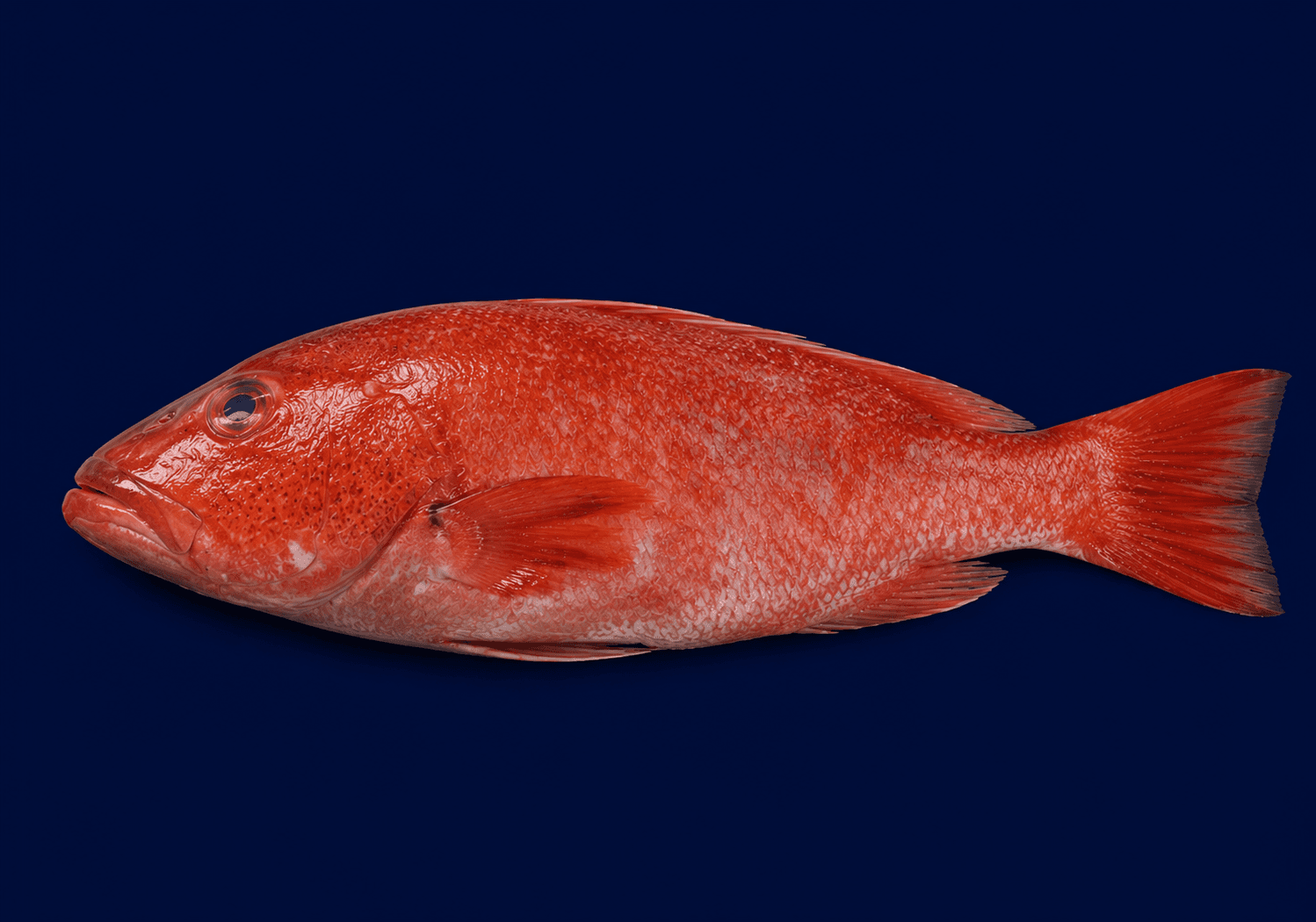
How to Fillet a Whole Fish at Home: A Step by Step Guide
TL;DR: Scale, cut behind the head down to the backbone, run the blade along the spine to the tail, then lift the fillet over the ribs. Repeat on the other side. Pin bone, skin if you want to, keep the frame for stock.
Filleting looks like a professional skill because you have only ever seen it done at speed. Slowed down it is four cuts in a fixed order, and the whole thing takes about three minutes once your hands know the sequence.
You will not get a perfect yield the first time. That is fine. Anything you leave on the frame goes into stock, so nothing is actually wasted while you are learning.
What you need
- A sharp knife. A flexible filleting knife 15 to 20 centimetres long is the right tool, because the flex lets the blade track the curve of the bones. A thin sharp cook's knife works. A blunt knife of any kind does not, because it tears rather than cuts and you will leave half the fish behind.
- A board that does not move. Put a damp cloth underneath it.
- Fish tweezers or fine nose pliers for the pin bones.
- A bowl for the frame.
Sharpness is not a nice to have here. If you sharpen one knife this month, sharpen this one.
Step 1: Scale and dry the fish
Hold the fish by the tail and scrape from tail towards head with the back of a knife or a scaler. Keep going until the skin feels smooth rather than ridged, paying attention to the belly and the area around the fins where scales hide.
Do it in the sink or outside. Scales fly further than you expect.
Rinse, then pat the fish completely dry. A wet fish slips, and a slipping fish is how people cut themselves.
If you know you are skinning both fillets, you can skip this step entirely. Scale anyway if there is any chance you want crisp skin later.
Step 2: The cut behind the head
Lay the fish on its side with the tail towards you and the back away from you.
Find the pectoral fin, the one just behind the gill. Angle your knife just behind it, pointing slightly towards the head so you do not waste the shoulder meat, and cut down through the flesh until you feel the blade stop on the backbone.
Stop there. Do not cut through the spine.
This cut is doing one job: telling you how deep the backbone sits. Everything else follows from it.
Step 3: Run the blade along the backbone
Turn the knife so the blade is flat, with the edge facing the tail and the tip resting on top of the backbone.
Draw the knife from your first cut down towards the tail in long, smooth strokes. You want the tip riding along the bones. You should hear and feel it ticking over the spine, which is exactly right.
Two or three long strokes beat twenty short sawing ones. Sawing tears the flesh and leaves a ragged fillet.
At this point the top of the fillet is free but it is still attached over the ribs.
Step 4: Lift the fillet over the ribs
Peel the loosened top edge back with your free hand so you can see where the blade is going.
Now work the knife over the rib cage, angling the edge very slightly down towards the bones. That angle is the whole trick. Angle towards the bones and you leave flesh on the fillet. Angle away and you leave flesh on the frame.
Work steadily from the head end towards the tail, keeping tension on the fillet with your free hand. When you reach the belly, cut through and the fillet comes away whole.
Step 5: The second side
Flip the fish over and do exactly the same three cuts.
The second side is always easier, because you now know how deep the backbone is and how much resistance the ribs give.
Put the frame in your bowl. It is not rubbish. A snapper or barramundi frame simmered for 25 minutes with an onion, a bay leaf and peppercorns gives you a stock worth more than anything in a carton. Freeze it flat in bags.
Step 6: Pin bone the fillets
Round fish have a row of fine pin bones running down the centre line of each fillet, roughly the front two thirds.
Run a fingertip along that line from the head end and you will feel the tips standing up. Grip each one with tweezers and pull in the direction the bone points, which is towards the head of the fish.
Pull along the bone, not straight up. Straight up tears a divot out of the fillet.
Go back and check with your fingertip afterwards. There are always two or three you missed.
Step 7: Skinning, if you want to
Skin on fillets crisp beautifully and protect the flesh, so skin only when the recipe needs it.
- Lay the fillet skin side down, tail end towards you.
- Cut down through the flesh about a centimetre from the tail end, until you feel the skin, then stop.
- Grip that tab of skin firmly, with a piece of paper towel if it is slippery.
- Angle the blade down slightly towards the skin and push it away from you along the board.
- Pull the skin tight backwards against the blade as you go. The blade stays still in the vertical sense, the skin moves.
Tension on the skin is what makes this work. If the skin is slack the knife wanders up into the flesh.
Which fish to practise on
Do not learn on an expensive fish.
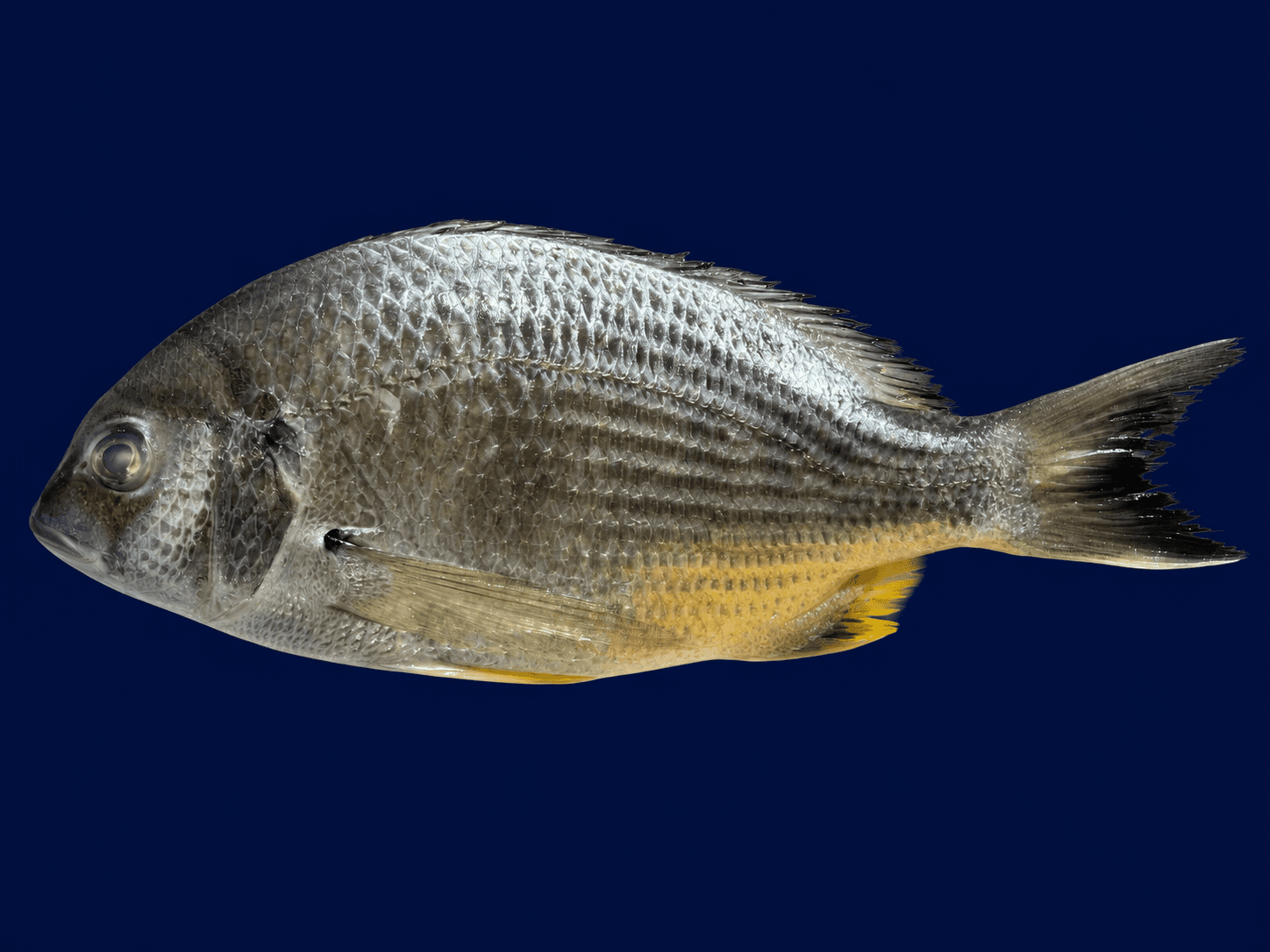
- Silver bream, sand whiting or golden pomfret are cheap, round and honest. Start here.
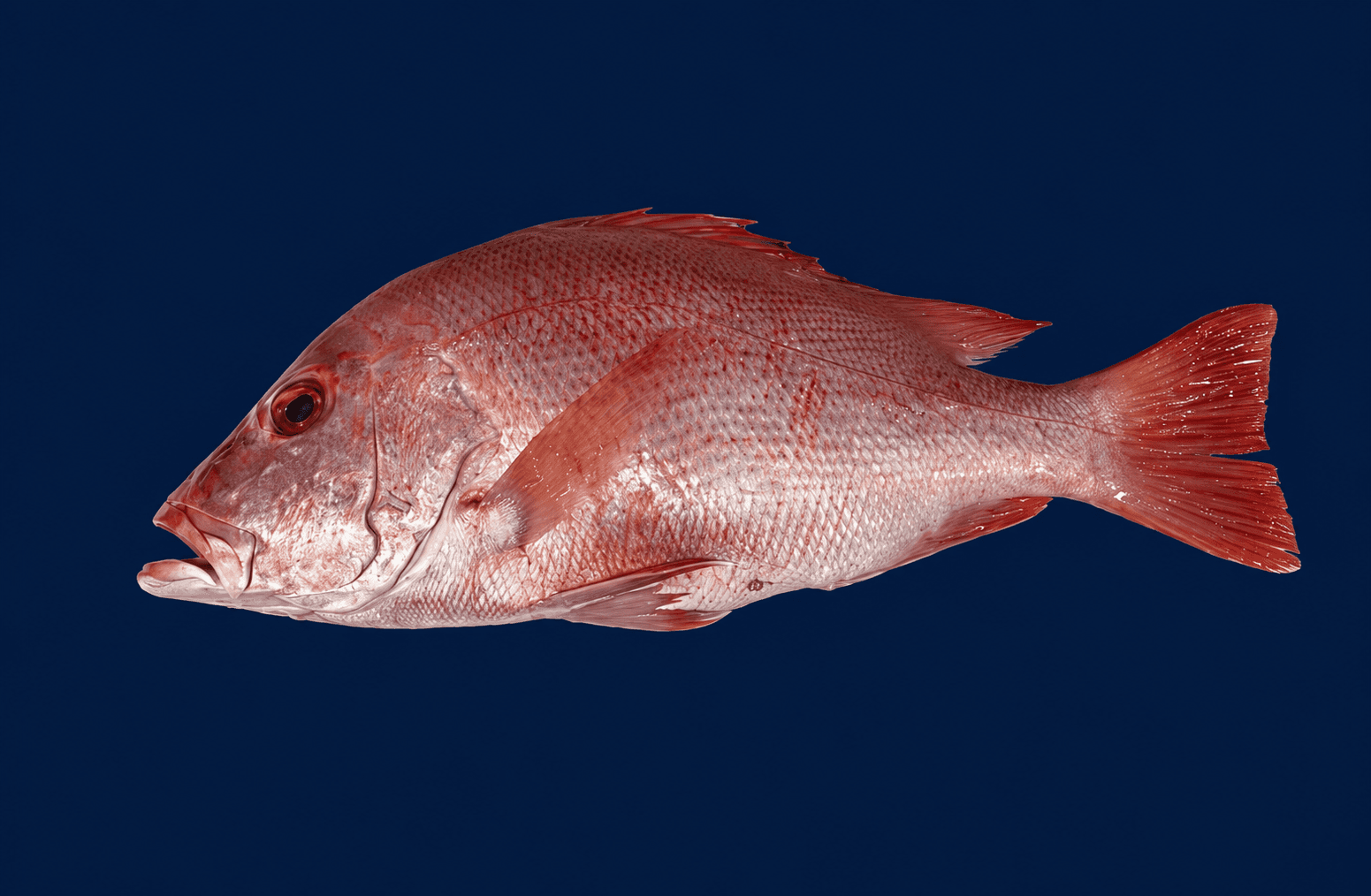
- Snapper is the ideal teaching fish once you have the sequence. Big enough to see what you are doing, forgiving structure.
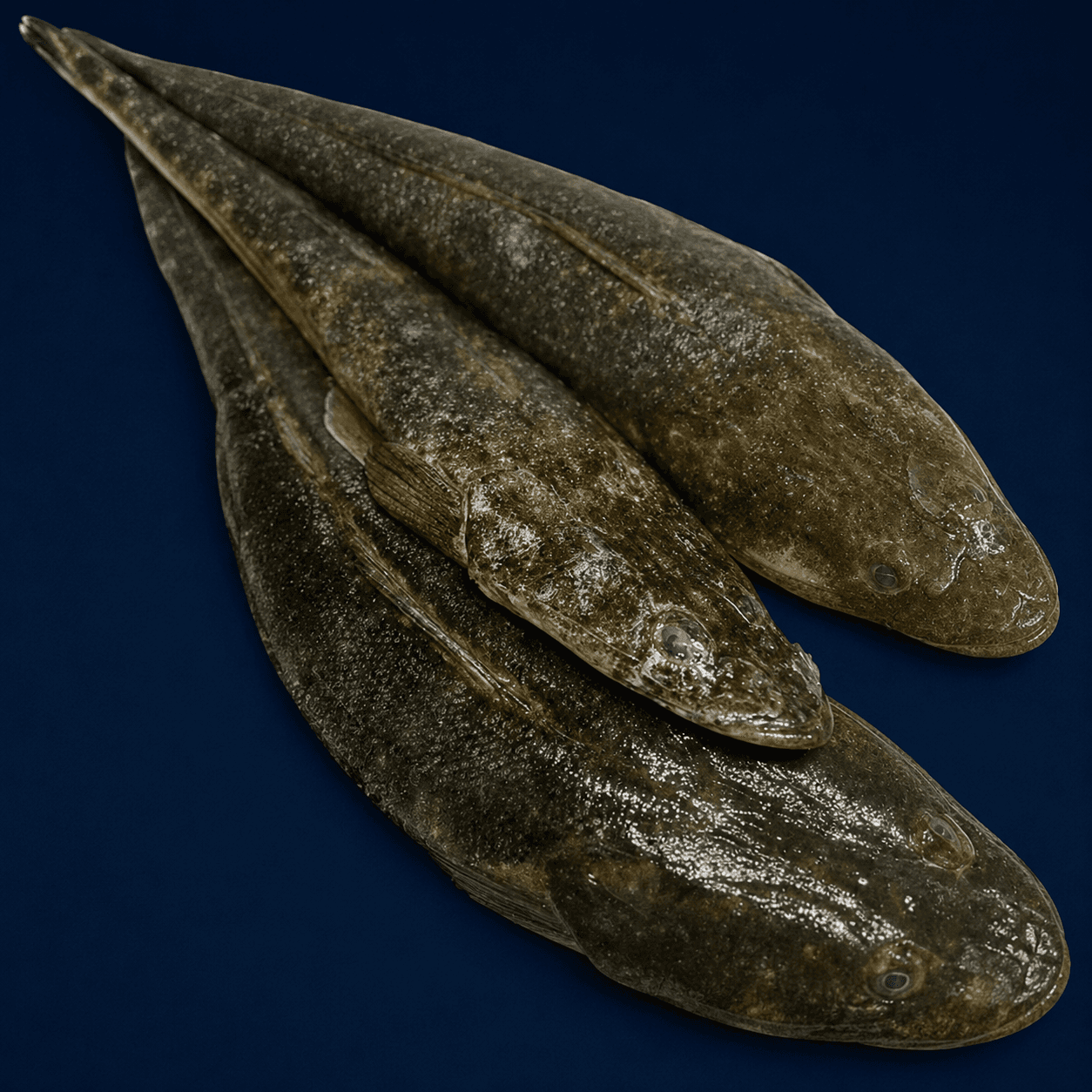
- Flathead has a different bone structure and is fiddlier than it looks. Not a beginner fish.
- Flat fish such as flounder are a separate technique entirely, with four fillets instead of two. Learn round fish first.
When to just ask the counter
There is no prize for stubbornness. Our team at Labrador and Varsity Lakes will fillet, skin and pin bone anything in the cabinet at no extra charge, and they will get a better yield than you will for the first dozen fish.
Ask them to bag the frame separately. Most people leave it behind, and it is the best free thing in the shop.
Where to Source It
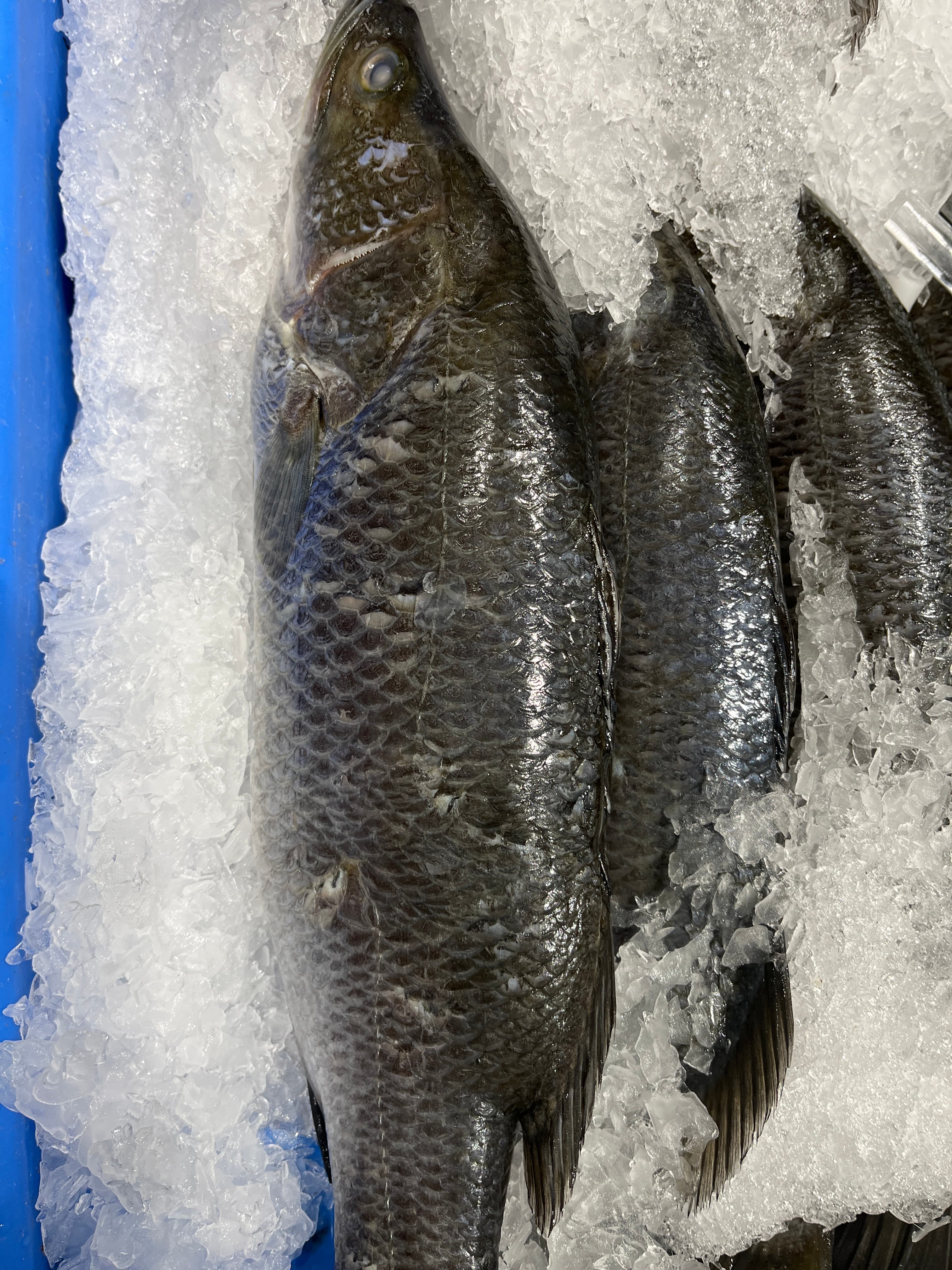
Tasman Star carries whole snapper, coral trout, barramundi, red emperor, silver bream, golden pomfret, King George whiting and more, brought in fresh and turned over daily. Buy one whole to practise on, and buy a second filleted so dinner is guaranteed either way.
Find us at 5 to 7 Olsen Ave, Labrador or 20 Casua Dr, Varsity Lakes, open 7 AM to 6 PM, 7 days.
Shop this recipe
Everything below is stocked fresh and delivers across the Gold Coast.
Written by
The Tasman Star Team · Gold Coast fishmongers
Articles from the fishmongers at Tasman Star Seafood. We source, fillet and sell fresh seafood on the Gold Coast seven days a week, and everything we publish comes from what we handle in the shop.
Fresh seafood delivered to your door
Order online from Tasman Star Seafood, Gold Coast delivery, open 7 days.
More Seafood Articles
How to Cook King Crab Clusters at Home
Most king crab clusters sold in Australia are already cooked and frozen. You are reheating, not boiling from raw. Steam, bake or grill by weight so the meat stays sweet.
Cooking & PreparationSnapper in Australia: Which One You Have and How to Cook It
Pink snapper, red snapper, gold band and knobby snapper are not the same fish. A Gold Coast cook-time table for whole snapper and 300 g portions, plus which name is on the ticket.
Cooking & PreparationHow to Barbecue a Whole Fish Without It Sticking
A whole fish on the barbecue is the best value centrepiece there is. Here is how to score it, oil it, and turn it once without leaving half the skin behind.