
How Long Does Fresh Fish Last in the Fridge?
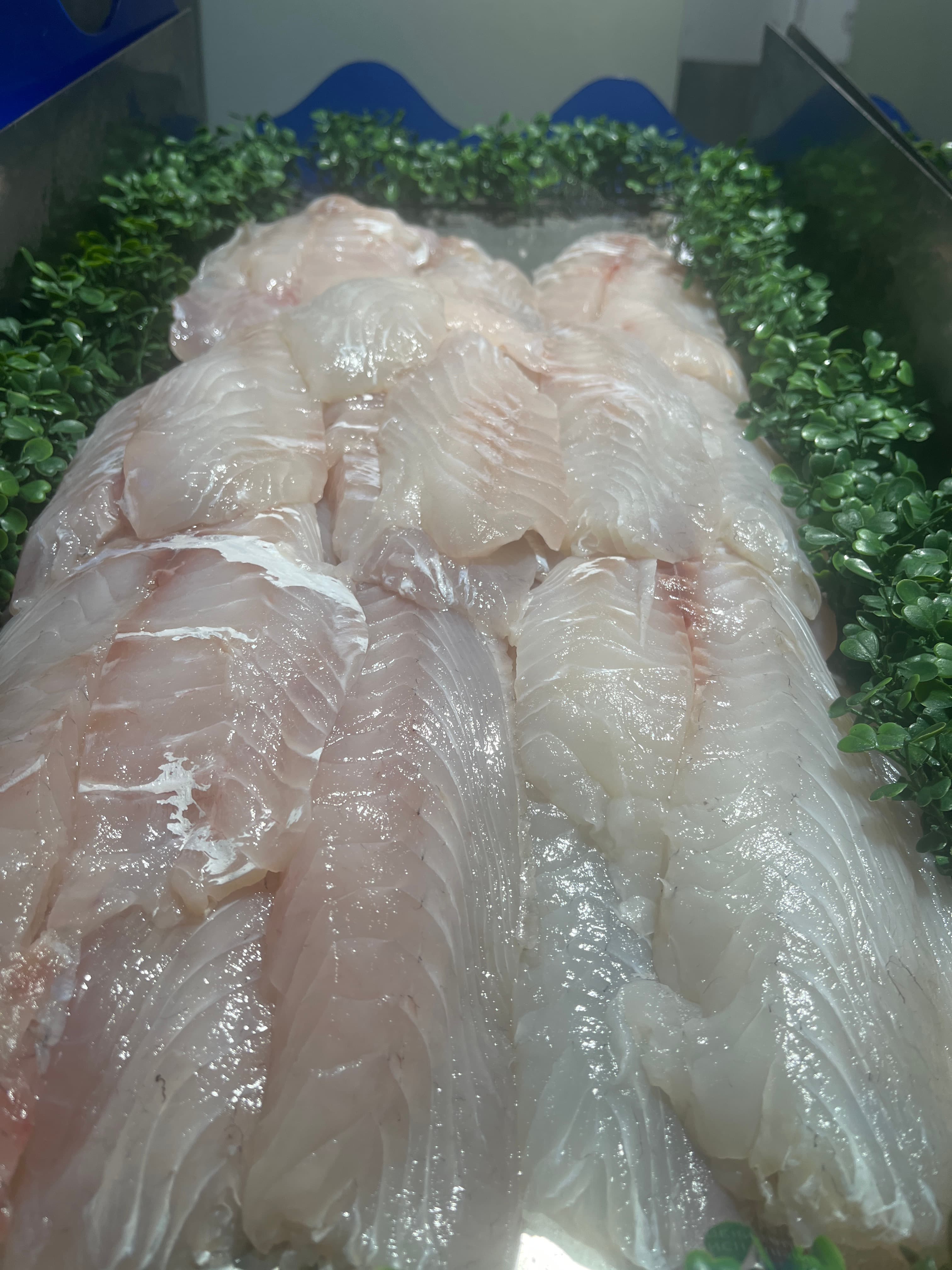
How Long Does Fresh Fish Last in the Fridge?
TL;DR: One to two days in an ordinary fridge, three to four if you store it on ice. Oily fish spoils faster than white fish. Unwrap it, dry it, keep it off its own drainage, and put it at the back of the bottom shelf.
Fish is the most perishable thing in your fridge, and it is not close. The reason is simple biology: the bacteria living on a fish came from cold ocean water, so they are perfectly comfortable at 4°C and keep multiplying while the bacteria on a piece of beef are barely awake.
That is why a steak is fine after five days and a fillet of snapper is not.
The good news is that storage technique makes a real difference. The same fillet lasts one day badly stored and four days well stored, and the well stored version is not much extra work.
The timeline by seafood type
Assuming an ordinary fridge running at 4°C, correctly stored:
| Seafood | Fridge life |
|---|---|
| White fish fillets (snapper, barramundi, ling, flathead) | 1 to 2 days, up to 4 on ice |
| Oily fish (salmon, tuna, mackerel, sardines) | 1 to 2 days |
| Whole fish, gutted | 2 to 3 days, up to 5 on ice |
| Green prawns | 2 to 3 days |
| Cooked prawns | 2 to 3 days |
| Live mussels and clams | 1 to 2 days |
| Live oysters, unshucked | 5 to 7 days |
| Shucked oysters | 1 to 2 days |
| Live crabs | 1 day, cook them today |
| Squid and octopus | 1 to 2 days |
| Cooked fish and seafood | 3 to 4 days |
| Smoked salmon, unopened | To the printed date |
| Smoked salmon, opened | 3 to 5 days |
Whole fish outlasts fillets, which surprises people. The skin and the frame protect the flesh, and there is far less exposed surface area for bacteria to work on. If you are buying two days ahead, buy whole and fillet it on the day.
Why oily fish spoils faster
Salmon, tuna, mackerel, sardines and kingfish all carry a lot of unsaturated fat, and that fat oxidises. Oxidation is a chemical reaction, not a bacterial one, so a cold fridge slows it down but does not stop it. That is the faintly rancid, oily edge you get on a three day old salmon fillet even when it still smells clean.
Lean white fish has almost no fat to go off, so its only enemy is bacteria, and cold handles that reasonably well.
Practical version: buy your salmon on the day you want it, and be relaxed about your snapper.
How to actually store it
1. Get it home cold. The clock starts in your car, not your fridge. Bring an esky or an insulated bag, and make the seafood counter the last stop of the trip. Half an hour in a hot Gold Coast car park costs you a day.
2. Unwrap it. This is the step almost nobody does. Paper and plastic hold the liquid that seeps out of the fish against the flesh, and that liquid is where bacteria multiply fastest. Take it out.
3. Rinse and dry. Quick cold rinse, then pat properly dry with paper towel.
4. Elevate it. Put the fish on a rack, or on a plate lined with paper towel, sitting inside a larger dish. What drains off must fall away and not pool underneath.
5. Get it colder than the fridge. Fish is happiest at 0°C, and your fridge runs at 4°C. Sit the container on a bed of ice or surround it with ice packs. Do not tip loose ice directly onto bare fillets, because meltwater leaches flavour and firmness out of the flesh. A sealed bag of ice underneath the rack is the trick.
This one change is what turns two days into four.
6. Cover it loosely. Cling film or a lid is fine, and airtight sealing is fine for fillets. It is not fine for anything alive.
7. Bottom shelf, at the back. Coldest part of the fridge, and any drips go nowhere near the salad.
The exceptions for live shellfish
Oysters, mussels, clams and crabs are alive when you buy them, and killing them by accident is the usual storage mistake.
- Never seal them in a plastic bag or an airtight container. They suffocate.
- Never store them submerged in fresh water. Fresh water kills saltwater shellfish.
- Oysters: cup side down, so they keep their liquor, under a damp cloth or damp newspaper. Five to seven days is realistic.
- Mussels and clams: in a bowl covered with a damp cloth, in the fridge. Cook within a day or two. Discard any that stay open when you tap them.
- Crabs: in the fridge under a damp cloth, and cook them today. A crab that dies before it is cooked deteriorates very fast and should be thrown out.
Once it is cooked
Cooked seafood is much less delicate. Cool it quickly, get it into a sealed container and into the fridge within two hours, and it will keep three to four days.
Two things worth knowing. Cooked prawns and cooked crab are at the shorter end of that range, so treat three days as the limit. And reheated seafood is rarely good, so plan leftovers into salads, sandwiches and pasta rather than reheating them on a plate.
When to freeze instead
If you know you will not cook it within 48 hours, do not put it in the fridge and hope. Freeze it the day you buy it, because a fillet frozen fresh is far better than one frozen after three days of slow decline.
We wrote the full method in how to freeze fresh fish properly, and the short version is: portion it, wrap it so no air touches the flesh, freeze it flat and thaw it overnight in the fridge.
Quantity Planning
Buy for the days you will actually cook, not for the week.
Fish fillet, main course: 180 to 220 grams per adult. Whole fish, main course: 400 to 500 grams per adult. Green prawns as a main: 250 grams per adult.
A midweek shop for a family of four is about 800 grams of fillets, which is one meal, not three. Buy that, cook it fresh, and come back rather than storing.
Where to Source It
Tasman Star turns its counter over daily, which is the real reason our fish keeps well at home: it has spent less time in the supply chain before you get it. Ask the team what came in this morning, and tell them how many days out you are cooking so they can point you at the right fish. They will pack it on ice for the drive home if you ask.
Find us at 5 to 7 Olsen Ave, Labrador or 20 Casua Dr, Varsity Lakes, open 7 AM to 6 PM, 7 days.
Shop this recipe
Everything below is stocked fresh and delivers across the Gold Coast.
Written by
The Tasman Star Team · Gold Coast fishmongers
Articles from the fishmongers at Tasman Star Seafood. We source, fillet and sell fresh seafood on the Gold Coast seven days a week, and everything we publish comes from what we handle in the shop.
Fresh seafood delivered to your door
Order online from Tasman Star Seafood, Gold Coast delivery, open 7 days.
More Seafood Articles
How to Freeze Fresh Fish Properly (and How Long It Keeps)
Freezing fish badly is why people think frozen fish is worse. Here is how to wrap it, how cold it needs to be, how long each type keeps and how to thaw it.
Storage & FreshnessHow to Tell if Fish Has Gone Off
The smell test is only half of it. Here are the six checks that tell you whether the fish in your fridge is still good, and the ones that mean bin it.
Storage & FreshnessHow Long Do Cooked Prawns Last in the Fridge? An Expert Guide
Cooked prawns last 3–4 days in the fridge when stored correctly. Learn the exact storage rules, signs of spoilage, and how to make your prawns last longer, from Gold Coast's seafood experts.