
How to Tell if Fish Has Gone Off
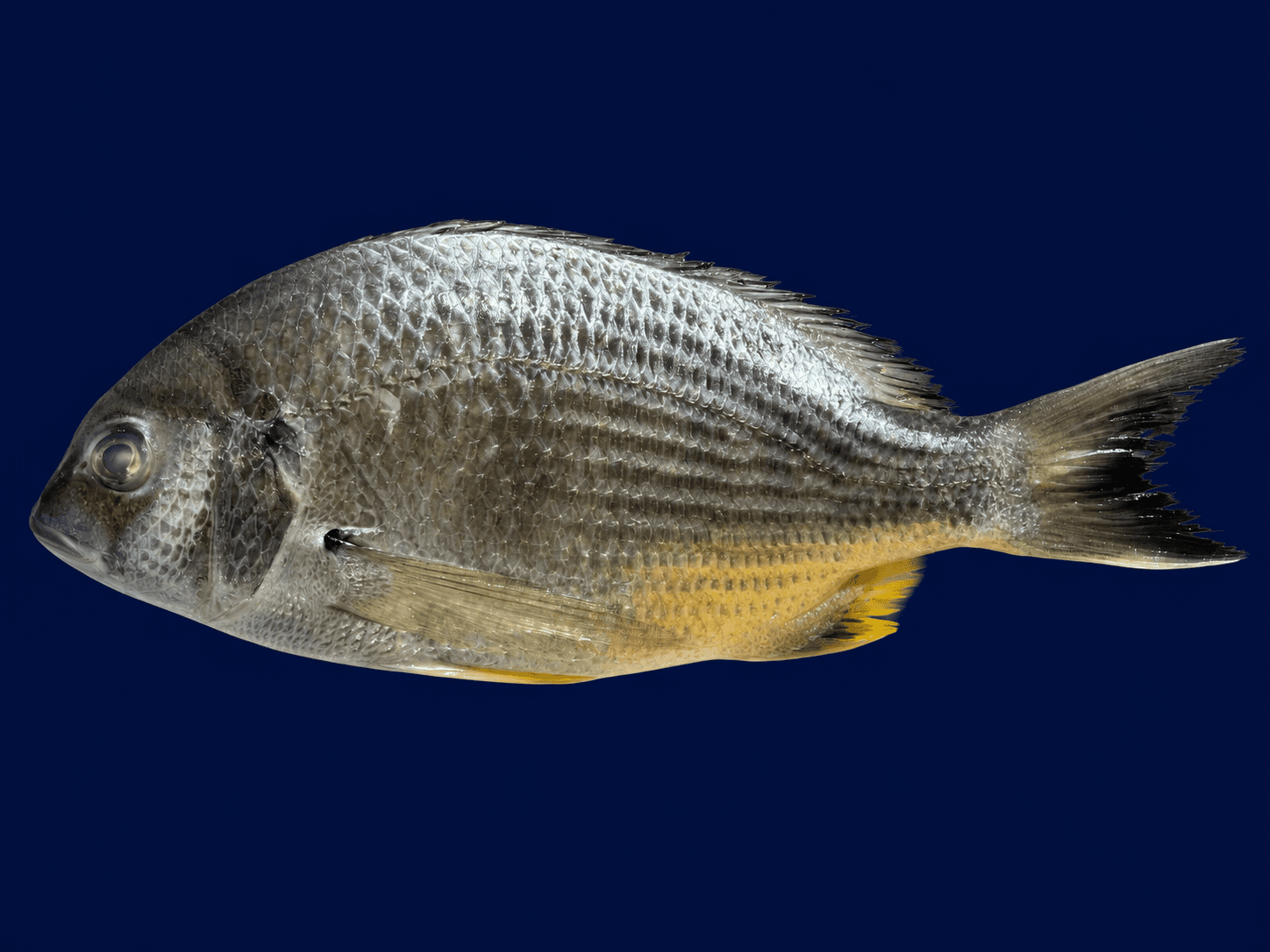
How to Tell if Fish Has Gone Off
TL;DR: Smell it, look at it, touch it. Sour or ammonia smell, dull slumped flesh, a dent that does not spring back, or thick milky slime all mean bin it. Cooking does not rescue spoiled fish.
There is a moment most people know: the fish has been in the fridge two days longer than planned, dinner is in an hour, and you are standing at the bench trying to decide. This is the guide for that moment.
The short version is that fish gives you plenty of warning if you know what to look for. It is one of the few foods that tells you clearly. The difficulty is that people rely entirely on the smell, and by the time the smell is obvious the fish has been gone for a while.
Six checks, in the order to do them.
1. Smell it
This is the fastest and most reliable single test.
Good: clean, briny, faintly of the ocean, or of almost nothing. Fresh fish is remarkably neutral.
Gone: sour, sharp, ammonia, or that heavy barnyard note. If the smell hits you from arm's length, do not go further.
The classic strong fishy smell comes from trimethylamine, which bacteria produce as they break the flesh down. A truly fresh fillet does not have it. Ammonia is the next stage after that, and it is a hard stop.
One exception. Shark, ray, skate and flake carry urea in their flesh naturally and can smell faintly of ammonia even when they are perfectly fresh. A rinse in water with lemon juice or a splash of milk sorts it out. This exception applies to nothing else on the counter.
2. Look at the flesh
Fresh fillets are glossy and translucent, and the colour is even. Light catches them.
Warning signs:
- Dull, chalky or matte where it was shiny.
- Grey or brown edges on white fish, or a browning band along a salmon fillet.
- Yellowing on any cut edge, which is fat oxidising.
- Flesh that has slumped and lost its shape.
- Gaping, where the muscle flakes are pulling apart into visible gaps. Some gaping happens with age and rough handling and is a quality problem rather than a safety one, but it tells you the fish is not young.
The liquid in the tray matters too. Clear or slightly milky liquid is normal. Cloudy, thick, yellowish liquid is not.
3. Press it
Push a finger into the thickest part.
Good: it springs back, and the dent disappears within a second or two.
Gone: the dent stays. Mushy, soft, or flesh that separates under light pressure means the muscle structure has broken down, and that is not something a hot pan fixes.
4. Check the slime
A light clear moisture on a fillet is completely normal. That is not what we mean.
What you are looking for is thick, sticky, opaque slime that strings a little when you lift your finger, sometimes milky white or grey. That is a bacterial film. It is the surface of the fish being consumed.
Once you can see it, the fish is gone. Rinsing it off does not reset the clock.
5. If it is a whole fish, check the eyes and gills
Whole fish gives you two extra instruments, and they are the best ones on the counter.
- Eyes: clear, plump and slightly domed when fresh. Cloudy, grey and sunken as it ages. This is the single most reliable visual signal on a whole fish.
- Gills: bright red to deep pink and clean smelling when fresh. Brown, grey, dull or slimy when they are not.
- Scales: should be tight and shiny. Scales lifting off with a light touch means the fish has been dead a while.
Our full guide on this is how to choose fresh fish, which covers what to look for at the counter before you buy. This post is the other half: how to judge it after it is already in your fridge.
6. Know the shellfish rules, which are different
Fish spoilage signals do not transfer to shellfish, and live shellfish have their own test.
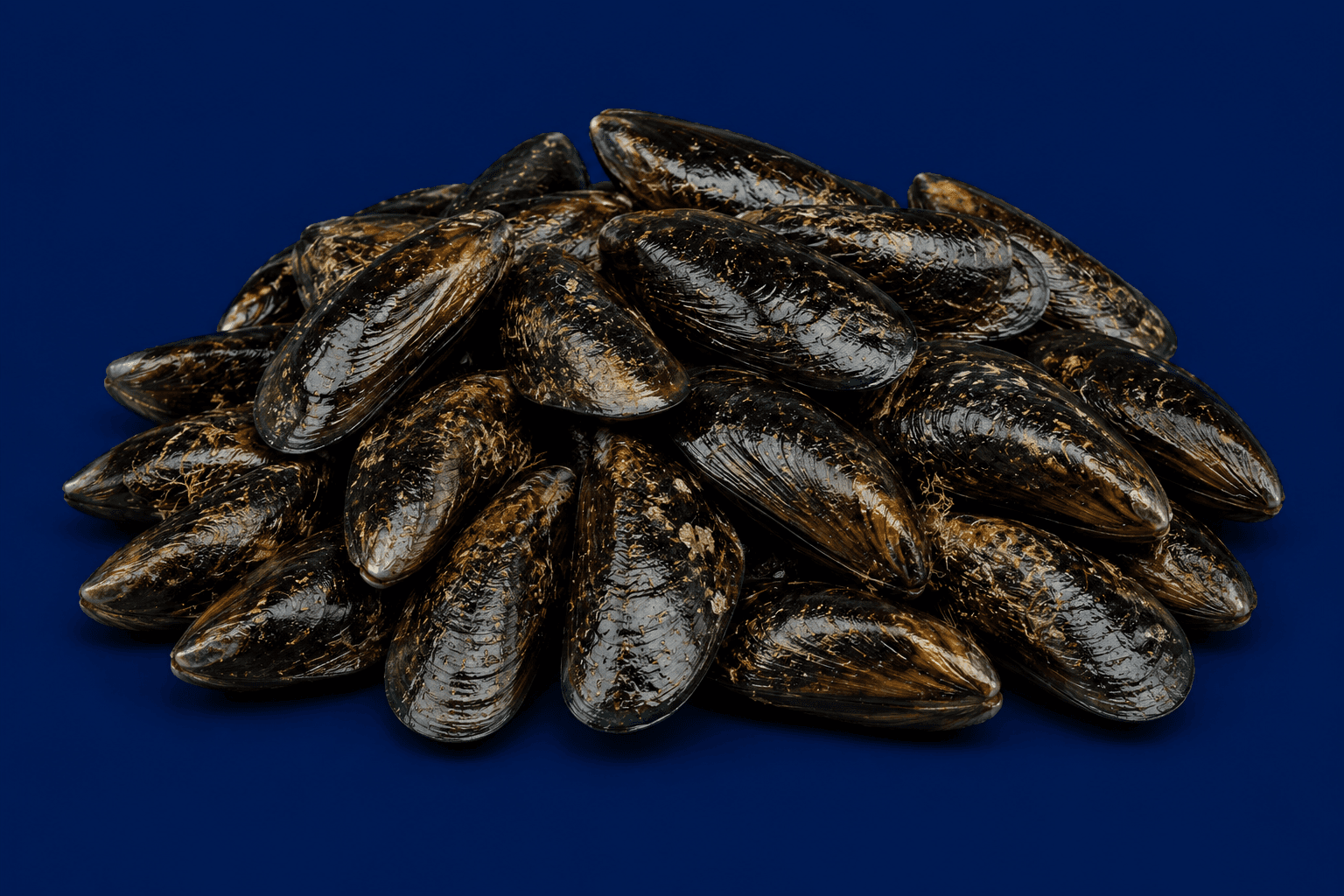
Live mussels, clams and pipis. They should be closed, or should close when you tap them firmly. One that stays open after a tap is dead, and dead uncooked shellfish gets thrown out. After cooking the rule inverts: any that stayed shut through cooking go in the bin.
Live oysters. A tightly closed shell that resists opening is a good oyster. Once shucked, the meat should be plump, glossy and sitting in clear liquor. Dry, shrunken, grey or off smelling means no. Oyster liquor should smell of clean seawater.
Prawns. Green prawns should be firm with tight shells. Black spots on the shell are melanosis, which is cosmetic oxidation and not spoilage, so those are fine. What is not fine is a head that has gone soft and mushy or a body that has gone limp, and an ammonia smell means bin it. Cooked prawns should smell sweet and clean.
Crabs and bugs. A live crab should be moving. A dead uncooked crab deteriorates very quickly and should not be cooked, and a cooked crab that smells sour is finished.
Squid, octopus and calamari. Fresh squid is glossy white with intact purple skin and a clean smell. Pink or yellow flesh, or a strong smell, means it is past it.
What does not make it safe again
Three things people try, and none of them work.
Cooking it thoroughly. Heat kills bacteria but it does not remove the toxins some of them have already produced, and it does nothing at all to histamine. A well cooked spoiled fish will still make you unwell.
Marinating it heavily. Lemon, garlic, chilli and soy hide the smell. They do not change the fish.
Rinsing off the slime. The slime is a symptom, not the problem.
Scombroid, the reason to be strict about oily fish
Worth knowing specifically, because it is the most common seafood illness in Australia and it is entirely a storage problem.
Tuna, mackerel, sardines, kingfish and mahi mahi carry high levels of histidine. If they are held above about 4°C for too long, bacteria convert that to histamine. Symptoms come on fast, usually within an hour: flushing, headache, a peppery taste, sweating, sometimes a rash.
The important part is that histamine is heat stable. Cooking, freezing and canning all leave it intact. The only defence is a cold chain that never breaks, which is why oily fish deserves the esky on the way home and the coldest shelf when it gets there.
The two out of six rule
One marginal signal is a judgement call. Fish is a fresh product and it will not always be textbook perfect.
Two or more failing at once is not a judgement call. Bin it.
And if the smell is clearly off, that is one signal that outranks all the others on its own.
Quantity Planning
The best defence against this whole question is buying for the meal in front of you.
Fish fillet, main course: 180 to 220 grams per adult. Whole fish, main course: 400 to 500 grams per adult. Green prawns as a main: 250 grams per adult.
Buy those amounts, cook them within a day or two, and freeze anything you will not get to. A fillet frozen the day it was bought is worth far more than one you were unsure about on Thursday night.
Where to Source It
Tasman Star sells through its counter daily, which means the fish you take home has spent less time getting to you. If you are ever unsure about something you bought from us, bring it back and the team will look at it. They would rather replace a fillet than have you cook something you were not sure about.
Find us at 5 to 7 Olsen Ave, Labrador or 20 Casua Dr, Varsity Lakes, open 7 AM to 6 PM, 7 days.
Browse fresh seafood and order online for Gold Coast delivery.
Shop this recipe
Everything below is stocked fresh and delivers across the Gold Coast.
Written by
The Tasman Star Team · Gold Coast fishmongers
Articles from the fishmongers at Tasman Star Seafood. We source, fillet and sell fresh seafood on the Gold Coast seven days a week, and everything we publish comes from what we handle in the shop.
Fresh seafood delivered to your door
Order online from Tasman Star Seafood, Gold Coast delivery, open 7 days.
More Seafood Articles
How Long Does Fresh Fish Last in the Fridge?
Fresh fish keeps one to two days in a normal fridge, and up to four if you store it on ice. Here is the timeline for every type of seafood and how to buy yourself extra days.
Storage & FreshnessHow to Freeze Fresh Fish Properly (and How Long It Keeps)
Freezing fish badly is why people think frozen fish is worse. Here is how to wrap it, how cold it needs to be, how long each type keeps and how to thaw it.
Storage & FreshnessHow Long Do Cooked Prawns Last in the Fridge? An Expert Guide
Cooked prawns last 3–4 days in the fridge when stored correctly. Learn the exact storage rules, signs of spoilage, and how to make your prawns last longer, from Gold Coast's seafood experts.