
How to Cook Crispy Skin Fish in a Pan Every Time
How to Cook Crispy Skin Fish in a Pan Every Time
TL;DR: Dry the skin properly, get the pan genuinely hot, oil the fish rather than the pan, press the fillet flat for the first 20 seconds, then do not touch it until it is nearly cooked through. Flip once. Rest skin side up.
Crispy skin fish is the dish that separates a good home cook from a nervous one, and the odd thing is that it is not hard. It is five small decisions, and most people get three of them wrong.
The single biggest one is moisture. Crisping is what happens when water has left the skin and heat can work directly on the proteins and fat underneath. If there is water on the skin, the pan spends its energy boiling that off, the skin steams, and you get a grey rubbery layer instead of a crust.
Everything below is really just a way of getting that right.
Step 1: Dry the skin, properly
Take the fillet out of its bag and blot the skin with paper towel until no more moisture comes away. Do the flesh side too, but the skin is what matters.
If you have 20 minutes, do better: salt the skin generously and sit the fillet uncovered on a rack in the fridge. The salt draws moisture to the surface and the cold dry air of the fridge takes it away. The skin ends up slightly tacky, which is exactly what you want.
If you have no time, the paper towel alone will still get you 80 percent of the way there.
Step 2: Heat the pan before anything else
A heavy based pan, stainless or cast iron, on medium high heat. Give it two or three minutes to come up to temperature properly rather than putting the fish in as it heats.
Test it with a drop of water. If the drop sits and bubbles lazily, the pan is not ready. If it skitters across the surface and vanishes, it is.
Non stick works but never gets you quite the same crust, because it is not designed to run at these temperatures. Use it if it is what you have.
Step 3: Oil the fish, not the pan
Brush a thin film of neutral oil onto the skin. Grapeseed, rice bran and canola all handle the heat. Olive oil smokes too early.
Oiling the fish rather than the pan means the oil arrives at temperature at the same moment the fish does, instead of sitting there smoking and turning bitter while you get organised.
Salt the skin again right before it goes in.
Step 4: Lay it down and press it flat
Lay the fillet in the pan skin side down, placing the far edge in first and lowering it away from you so any splatter goes the other way.
Now the step almost everyone skips. The moment fish hits heat the skin contracts and the fillet curls up in the middle, which means only the edges are actually touching the pan. Press the fillet down flat with a spatula, firmly, for a full 20 seconds. By then the proteins have set and it will stay flat on its own.
That press is the difference between a crisp fillet and one with a crisp border and a pale soggy centre.
Step 5: Leave it alone
This is the hard part. Do not move it, do not lift it to check, do not shuffle the pan.
Watch the side of the fillet instead. You will see the flesh turning from translucent to opaque, creeping upward from the pan. When that line has climbed 70 to 80 percent of the way up the fillet, it is time to flip.
For a 2 centimetre barramundi or snapper fillet that is around four to five minutes.
If the fish feels welded to the pan when you try to move it, it is not ready. Properly seared skin releases itself. Give it another 30 seconds.
Step 6: Flip once, finish fast
Turn the fillet over. It needs 30 to 60 seconds on the flesh side, no more. The residual heat will finish the centre.
This is the moment for butter if you want it. Drop in a knob with a smashed garlic clove and a thyme sprig, tilt the pan and spoon the foaming butter over the flesh for 20 seconds. Adding butter earlier just burns it.
Step 7: Rest it the right way up
Put the fillet on the plate skin side up.
Rest it skin side down and the steam coming out of the flesh goes straight into the crust you just spent eight minutes building. Two minutes is all the rest it needs.
The fish that crisp best
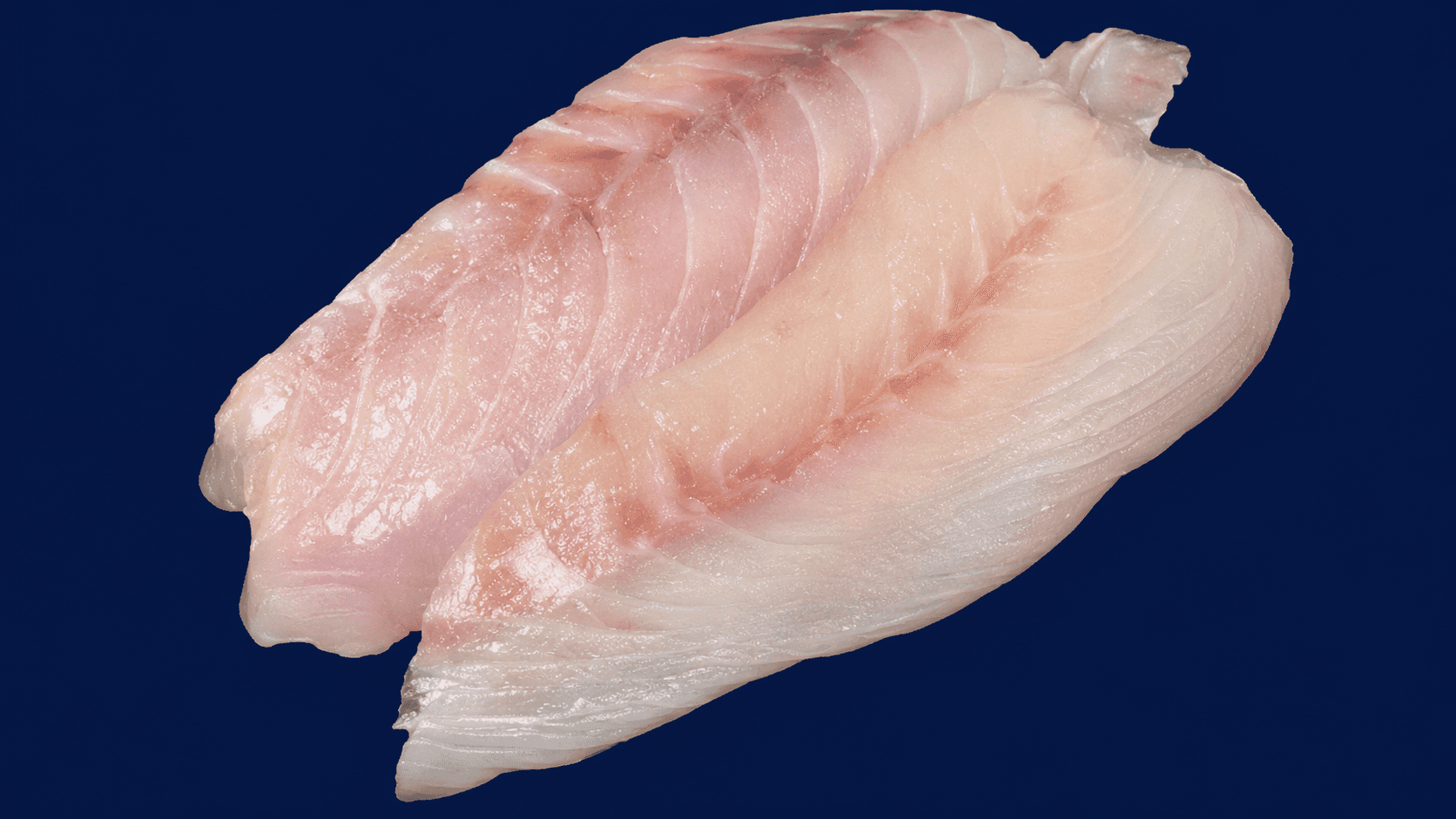
- Barramundi. Thick skin, firm flesh, very forgiving. The best fish to learn on.
- Snapper. Excellent crisp and sweet flesh, though it is a thinner fillet so watch your timing.
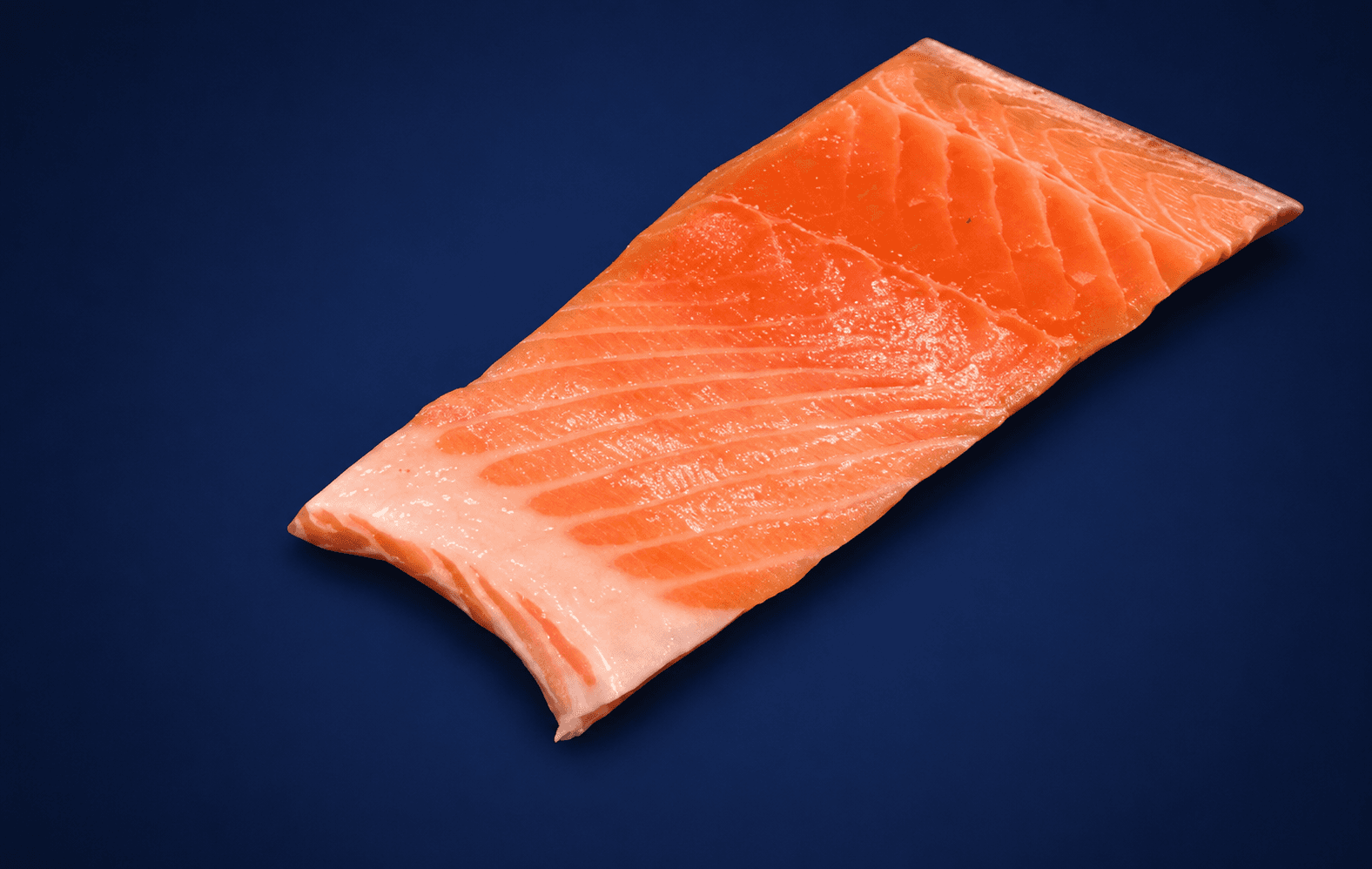
- Salmon and ocean trout. The fat under the skin renders and effectively fries the skin from underneath. Almost cheating.
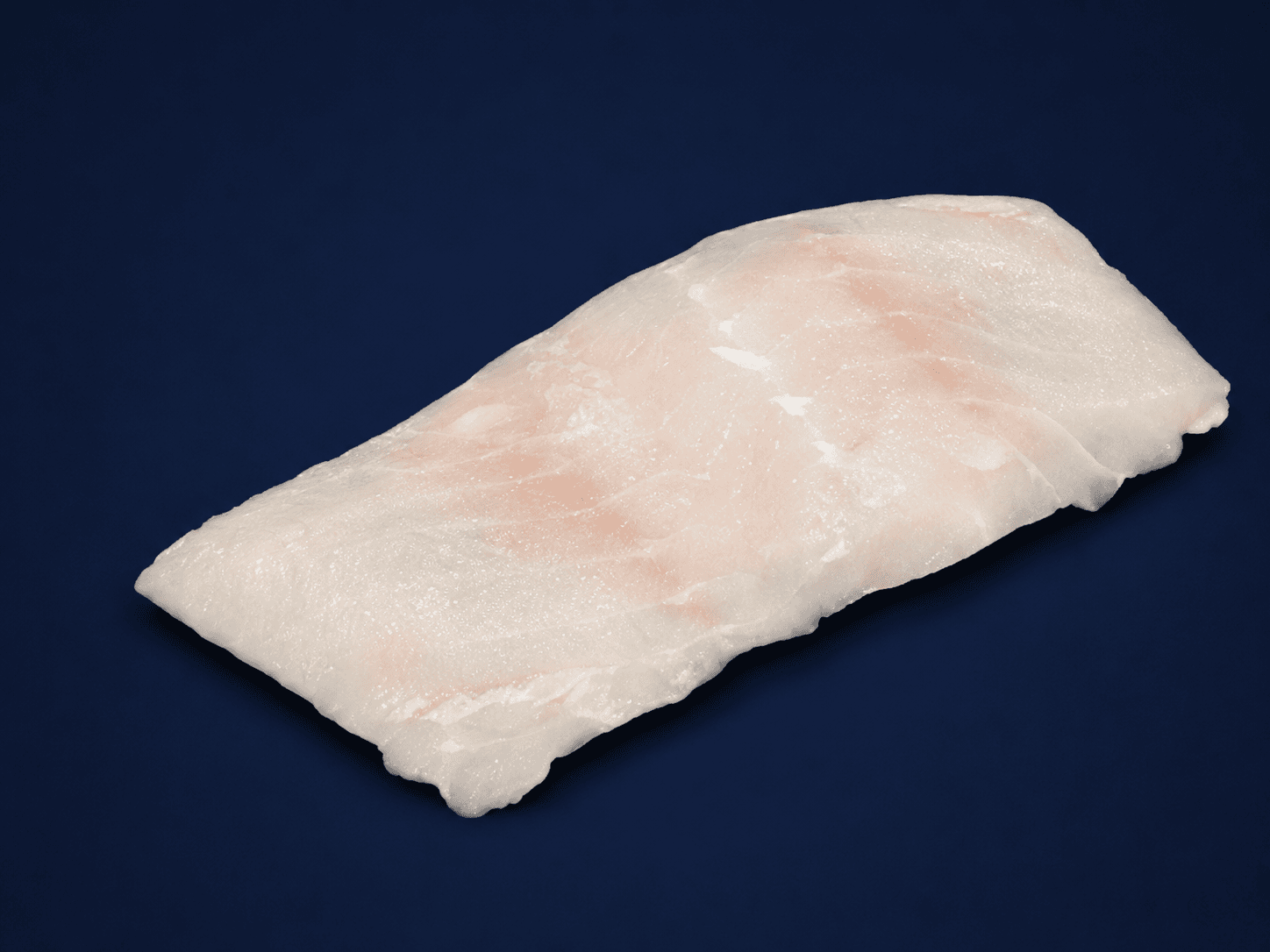
- Kingfish. Superb, but lean, so pull it early.
- King George whiting. Small and quick, done in three minutes total.
Flathead, whiting fillets and other thin skinned fish do not have enough skin to work with. Flour and pan fry those, or crumb them.
Ask for skin on at the counter. A skinless fillet cannot be rescued, and our team will leave the skin on and scale it properly if you say so when you order.
Common problems and what caused them
The skin stuck and tore. The pan was not hot enough, or you moved it too early.
The skin went leathery, not crisp. The skin was wet, or the heat was too low so it steamed.
The middle of the skin is pale. You did not press it flat at the start.
The fish is dry. You cooked it too far past that opaque line, or flipped and then left it too long on the second side.
The kitchen filled with smoke. You oiled the pan instead of the fish, or used olive oil.
Where to Source It
Tasman Star carries skin on barramundi fillets, snapper fillets, salmon portions, kingfish and King George whiting through the counter fresh. Tell the team you want it for crispy skin and they will pick you a thicker cut and make sure it is scaled properly, because a single missed scale ruins the mouthful.
Find us at 5 to 7 Olsen Ave, Labrador or 20 Casua Dr, Varsity Lakes, open 7 AM to 6 PM, 7 days.
Browse skin on fillets and order online for Gold Coast delivery.
Shop this recipe
Everything below is stocked fresh and delivers across the Gold Coast.
Written by
The Tasman Star Team · Gold Coast fishmongers
Articles from the fishmongers at Tasman Star Seafood. We source, fillet and sell fresh seafood on the Gold Coast seven days a week, and everything we publish comes from what we handle in the shop.
Fresh seafood delivered to your door
Order online from Tasman Star Seafood, Gold Coast delivery, open 7 days.
More Seafood Articles
How to Cook King Crab Clusters at Home
Most king crab clusters sold in Australia are already cooked and frozen. You are reheating, not boiling from raw. Steam, bake or grill by weight so the meat stays sweet.
Cooking & PreparationSnapper in Australia: Which One You Have and How to Cook It
Pink snapper, red snapper, gold band and knobby snapper are not the same fish. A Gold Coast cook-time table for whole snapper and 300 g portions, plus which name is on the ticket.
Cooking & PreparationHow to Barbecue a Whole Fish Without It Sticking
A whole fish on the barbecue is the best value centrepiece there is. Here is how to score it, oil it, and turn it once without leaving half the skin behind.