
How to Cook the Perfect Good Friday Fish and Chips at Home
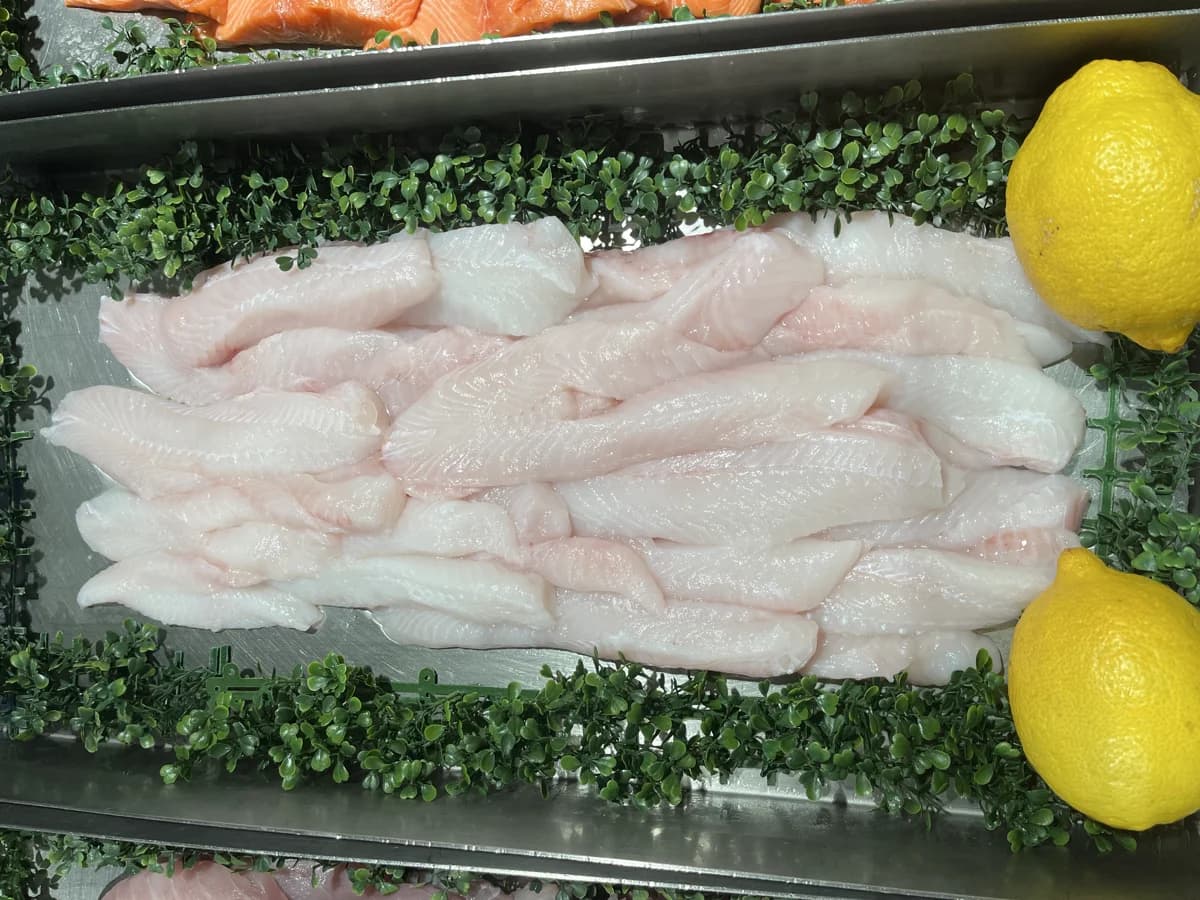
TL;DR: The difference between pub-quality batter and a soggy mess at home is three things: ice-cold beer, an oil temperature of 180–190°C, and fish that is completely dry before it hits the batter.
The Gold Coast Good Friday Tradition
Fish and chips on Good Friday is one of those rituals that holds across generations on the Gold Coast. Every shop in Labrador and Varsity Lakes has a queue out the door by noon. Making it at home gives you fresher fish, thicker chips, and the satisfaction of nailing the batter yourself. This guide tells you exactly how.
Choosing the Right Fish
The species matters. Each has different flesh characteristics that behave differently in batter and hot oil.
Whiting is the premium choice. Thin, sweet, delicate fillets that cook in 3 minutes. The flavour is clean and the flesh stays moist inside a crispy batter. It is more expensive but worth it for a Good Friday centrepiece.
Flathead is the traditional Australian chip-shop fish. Firm white flesh with good flavour. Fillets are wider and meatier than whiting, which makes them more forgiving to fry: harder to overcook, easy to eat.
Barramundi gives you large, thick fillets with a mild taste that pairs well with strong batter seasoning. Best for families where you want generous portions. Cook time is slightly longer at 4 to 5 minutes per side at 180°C.
Avoid pre-frozen fillets for this recipe. Frozen fish retains water, and that water steams under the batter and softens it from the inside. Start with fresh fish and pat it completely dry.
Beer Batter vs. Sparkling Water Batter
Beer batter is the classic. The carbonation in lager creates bubbles in the batter that expand in hot oil, producing a lighter, crispier coating. The alcohol also inhibits gluten development, which keeps the batter from going chewy.
Sparkling water batter works just as well and produces nearly identical results. Use ice-cold sparkling water at the same ratio (1 cup sparkling water to 1 cup plain flour). The carbonation does the same job as beer.
The beer does not add a pronounced flavour to the finished batter. The heat burns off the alcohol and most of the taste. Either option is fine.
Ingredients (Serves 4)
- 4 fresh flathead or barramundi fillets (about 180g each), or 8 whiting fillets
- 1 cup plain flour, plus extra for dusting
- 1 cup ice-cold lager or sparkling water
- 1 teaspoon baking powder
- 1 teaspoon fine salt
- ½ teaspoon white pepper
- Vegetable or canola oil for deep frying
- 1kg sebago or Dutch cream potatoes
- Lemon wedges, tartare sauce, and sea salt to serve
Method: The Chips First
Start the chips before the fish. They take longer and can wait in a warm oven while you fry the fish.
Peel the potatoes and cut into 1.5cm thick chips. Soak in cold water for 30 minutes. This removes surface starch and prevents the chips clumping in the fryer. Drain and dry thoroughly. Any water on the chips will cause violent spitting when they hit the oil.
Heat oil to 140°C in a deep fryer or large heavy-based pot. Par-cook the chips for 6 to 8 minutes until soft and cooked through but with no colour. Remove and drain on paper towels. They will look pale and limp at this stage. That is correct.
When the fish is nearly done, increase oil temperature to 190°C and return the chips for 2 to 3 minutes until golden and crispy. The double-fry is essential: par-cooking develops a fluffy interior; the second blast at high heat creates the crust.
Method: The Fish
Make the batter while the chips par-cook. Whisk together flour, baking powder, salt, and pepper in a bowl. Pour in the ice-cold beer or sparkling water and whisk until just combined. Stop when the dry flour disappears. Lumps are fine and actually help the texture. Overmixed batter becomes dense and chewy.
Pat the fillets completely dry. Season lightly with salt. Dust each fillet in plain flour, shaking off the excess. The flour layer creates adhesion between the wet fish surface and the batter. Without it, the batter slides off.
Dip each floured fillet into the batter and let the excess drip off for a few seconds. Lower it carefully into oil at 180°C. Do not crowd the pot. Cook two fillets at a time maximum. Crowding drops the oil temperature and produces greasy batter.
Fry for 3 to 4 minutes for whiting or flathead, 4 to 5 minutes for barramundi, turning once halfway. The batter should be deep golden and audibly crackling. Lift out and drain on a wire rack rather than paper towels. A rack keeps the underside crispy; paper towels trap steam and soften it.
Serve immediately. Fish and chips lose their crunch within 5 minutes of leaving the oil.
Getting Fresh Fish at Tasman Star
Fresh flathead, whiting, and barramundi fillets are available daily at our Labrador store (5–7 Olsen Ave) and Varsity Lakes store (20 Casua Dr). Good Friday is one of our busiest days of the year. If you are planning to cook at home, order online by Wednesday for a Thursday delivery, or visit the store early on Good Friday morning before the crowds.
Order fresh fish for delivery across the Gold Coast at Tasman Star.
Written by
The Tasman Star Team · Gold Coast fishmongers
Articles from the fishmongers at Tasman Star Seafood. We source, fillet and sell fresh seafood on the Gold Coast seven days a week, sharing seafood buying guides, cooking ideas and practical information for our customers.
Fresh seafood delivered to your door
Order fresh fish online from Tasman Star Seafood, Gold Coast delivery Monday to Saturday.
More Seafood Articles
Coconut and Lime Salmon Curry with Green Beans
Make a gentle coconut salmon curry for four with green beans, ginger and lime. Includes exact quantities, cooking steps and rice timing.
RecipesCrispy Fish Burgers with Lime Slaw
Make four crispy fish burgers with panko crumbs and lime slaw. Includes fillet weights, shallow-frying steps and practical cooking checks.
RecipesLemon and Oregano Prawn Skewers for the BBQ
Make lemon and oregano prawn skewers with peeled raw prawns, garlic and olive oil. A simple barbecue recipe for four with preparation and cooking tips.