
How to Clean and Prepare Crab (and Pick the Meat)
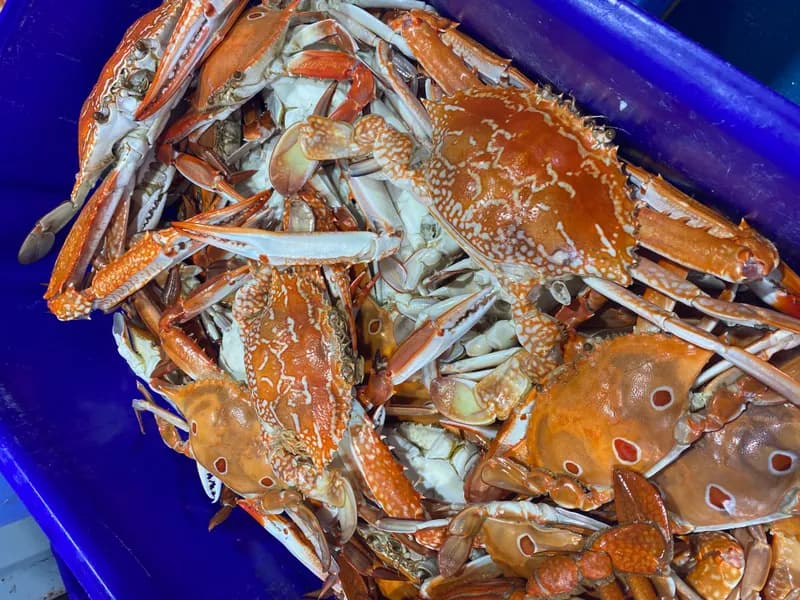
Quick answer: Twist off the claws and legs, lift off the top shell, and discard three things: the gills ("dead man's fingers"), the stomach sac behind the eyes, and the top shell itself. Everything white is meat; the orange mustard is edible. Crack claws with the back of a heavy knife, push leg meat out with a skewer, and clear the body chambers where the legs attached. That's where most of the meat hides.
Key facts:
- Remove and discard: the top shell, the feathery grey gills (dead man's fingers), and the stomach sac behind the eyes
- All white meat (body, claws, legs) is edible
- The soft orange/greenish "mustard" (hepatopancreas) is edible and prized, best in moderation
- Cook the crab whole first, then clean and pick (except for stir-fry recipes like chilli crab)
- Crack claws with the back of a heavy knife at the widest point
- Most body meat is in the chambers where the legs attach, so use a pick or skewer
- A crab pick, skewer, or small fork makes the job far easier
Cook First, Then Clean
For mud, sand, and spanner crab, the standard home approach is to cook the whole crab, then clean and pick it. Cooking firms the meat so it releases cleanly, and you keep every bit of flavour inside the crab instead of losing it to the cleaning water.
(The exception is wok dishes like chilli crab, where the raw, humanely dispatched crab is cleaned and chopped into sauce-ready pieces first. For everything else (cracked crab, crab salad, picking meat for pasta) cook whole, then clean.)
Not sure how to cook it first? See how to cook a live mud crab or our spanner crab guide.
What You'll Need
- A heavy knife (chef's knife or cleaver) or a crab cracker
- A crab pick, metal skewer, or thin-handled teaspoon
- A board, a big bowl for meat, and a bowl for shells
- A roll of paper towel, because it gets messy, and that's part of the fun
Step-by-Step: Cleaning a Cooked Crab
1. Remove the legs and claws
Hold the body firmly and twist each claw and leg away at the base. Twisting (rather than snapping straight down) keeps the meat attached to the limb. Set them aside.
2. Lift off the top shell
Flip the crab onto its back. Lift the tail flap (the pointed "apron" folded against the underside) and snap it off, then discard it. Then get your thumbs under the edge of the top shell (the carapace) and prise it away from the body. It should come off in one piece.
3. Remove the gills ("dead man's fingers")
Along each side of the body you'll see rows of feathery, greyish gills. These are the crab's breathing organs: rubbery and unpleasant, never eaten. Pull or scrape them all off and discard. (They're not poisonous, just not food.)
4. Remove the stomach sac
Just behind the eyes/mouth sits a small stomach sac. Pinch it out and discard it.
5. Decide on the mustard
The soft orange, yellow, or greenish-brown paste in the body is the hepatopancreas, "crab mustard" or "tomalley". It's edible and intensely flavoured, beloved in crab pastes and sauces. Keep it if you like it; scrape it out into a small bowl. As with all shellfish offal, enjoy it in moderation.
What's left (the white body and all the limbs) is all meat.
Picking the Meat
Claws
Lay each claw on the board and strike the widest part once with the back of a heavy knife or a crab cracker, enough to fracture the shell, not crush it. Peel the shell away and lift the meat out, ideally in one piece. Large mud crab claws reward a couple of measured taps so you can lift the shell off in sections.
Legs
Snap each leg at the joints. Push the meat out with a skewer or pick, or use the thin pointed end of one leg to poke the meat out of another, a classic trick.
Body (the hidden treasure)
Break the cleaned body in half down the middle. The white chambers where the legs were attached are packed with meat. This is where most home cooks leave the best bits behind. Work a pick through each chamber to clear it all out.
What to Do With the Picked Meat
- Crab salad: lemon, good mayo, chives, on bread or in lettuce cups
- Crab linguine: folded through at the last second so the heat doesn't toughen it
- Cracked crab: keep it in the shell and serve with lemon and bread for a hands-on feast
- Chilli or salt-and-pepper crab: toss cleaned pieces through the sauce
A Faster Way: Buy It Cleaned
If picking isn't your idea of a good evening, you can skip straight to the meat. Tasman Star sells:
- Cooked crabs, ready to clean and eat
- Picked crab meat, all the meat, none of the work, ideal for salads and pasta
Browse cooked crabs at Tasman Star →
Buying Crab on the Gold Coast
Tasman Star Seafood stocks live, cooked, and picked crab at both stores:
- Varsity Lakes: 20 Casua Dr, (07) 5522 1221
- Labrador: 5–7 Olsen Ave, (07) 5529 2500
Gold Coast home delivery runs 7 days a week.
→ New to crab? Start with mud crab vs sand crab vs spanner crab to choose the right one.
Written by
The Tasman Star Team · Gold Coast fishmongers
Articles from the fishmongers at Tasman Star Seafood. We source, fillet and sell fresh seafood on the Gold Coast seven days a week, sharing seafood buying guides, cooking ideas and practical information for our customers.
Fresh seafood delivered to your door
Order cooked crabs online from Tasman Star Seafood, Gold Coast delivery Monday to Saturday.
More Seafood Articles
How to Build a Seafood Platter for 2, 4, 6, 10 or 20 People
Seafood platter quantities that actually work: grams per person, a shopping list for 2 to 20 guests, and how a $200 Father's Day spend unlocks free merch online or in store.
GuidesIs Flake Shark? What Australian Fish and Chip Shops Actually Sell
Yes. Flake is shark, usually gummy shark. It is mild, boneless and common in fish and chips. Here is the species table, the mercury note, and what to cook instead.
GuidesWhat Is Mullet Roe? Bottarga, Fresh Roe and How Australians Eat It
Mullet roe is the egg sack of sea mullet. Fresh, it fries crisp. Cured, it is bottarga. Same fish as Mediterranean grey mullet. A Gold Coast guide to buying, curing and cooking it.