
What Does Sashimi Grade Actually Mean in Australia?
What Does Sashimi Grade Actually Mean in Australia?
TL;DR: There is no legal definition of sashimi grade in Australia. The term signals that a fish has been handled for raw eating: chilled fast, kept cold through the whole cold chain, and sold fresh enough to serve without cooking. Because it is not regulated, who you buy from is what matters most.
There Is No Legal Sashimi Grade in Australia
Sashimi grade, and the related term sushi grade, are not legal or regulated categories in Australia. No government standard defines them and no authority certifies a fish as meeting them. When a fishmonger describes a fish as sashimi grade, they are making a statement about how it has been handled and how fresh it is, not ticking a legal box.
That does not make the term meaningless. It is a useful shorthand for fish that has been treated to a standard suitable for raw eating. It does mean, though, that the label is only as reliable as the supplier behind it. A trustworthy fishmonger who sources for raw use and turns stock over quickly is the real assurance, far more than any word printed on a sticker.
What the Term Actually Signals
What sashimi grade really points to is a chain of careful handling. The first factor is speed of chill: the best raw-suitable fish is iced or chilled within hours of the catch, which slows the processes that break flesh down and keeps it firm and clean-tasting. The second factor is an unbroken cold chain, meaning the fish is held at a consistently cold temperature from the boat through transport and storage all the way to your fridge.
The third factor is simple freshness. Fish intended for raw eating should be recently landed and sold fast, not held for days. The fourth is intent: a good supplier sets aside specific fish for raw use and handles it accordingly, rather than selling the same fish for cooking and for sashimi without distinction. When all four line up, you have fish that is genuinely suitable to eat raw.
The Food Safety Context
Australian food safety guidance from FSANZ treats raw and ready-to-eat seafood as a higher-risk food, because there is no cooking step to reduce bacteria. That is exactly why handling matters so much for raw fish. Temperature control through the cold chain is the single most important safeguard, which is why the speed-of-chill and cold-chain factors above sit at the centre of what sashimi grade is trying to communicate.
For most healthy people, raw fish from a reputable supplier is a normal and safe pleasure. People who are pregnant, very young, elderly, or immune-compromised are advised to be more cautious with raw seafood and may prefer to cook their fish. If in doubt, ask your fishmonger what they would recommend eating raw that day, and follow their guidance.
Which Fish to Eat Raw
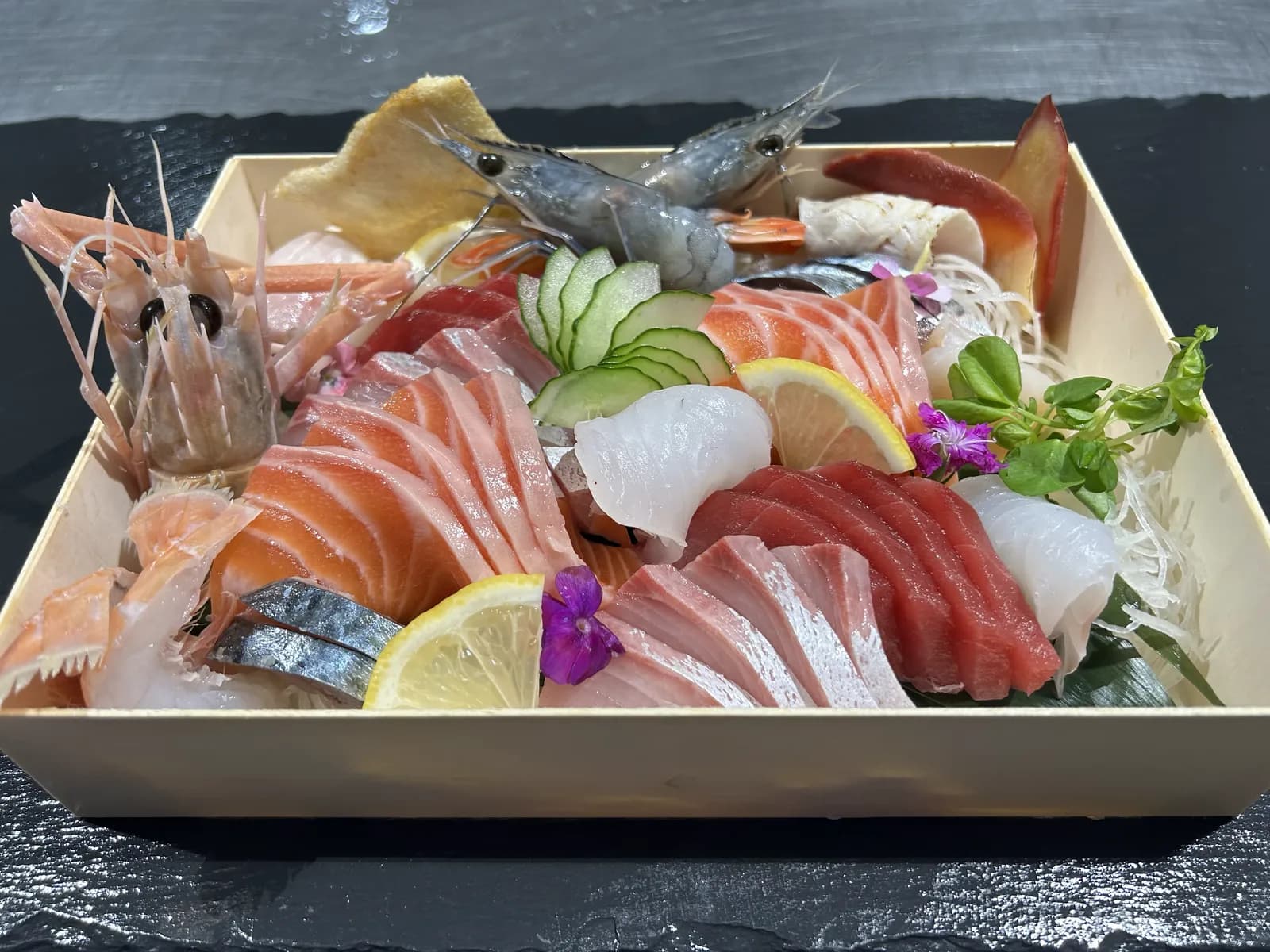
The species most commonly served raw in Australia are kingfish, salmon, and tuna, and these are the ones Tasman Star sells for raw use. Kingfish has a clean, firm flesh that suits crudo and sashimi beautifully. Salmon is the most popular starting point for people new to raw fish, with a rich, mild flavour. Tuna offers a deeper, meatier taste that many sashimi lovers seek out.
Tasman Star also offers ready-made sashimi platters if you would rather not slice your own. You can read more on our sushi and sashimi page, and our companion article on what sashimi grade fish means goes deeper on the species and cold-chain detail. If you are catering for a group, our sashimi portion guide covers how much to buy.
How to Store and Serve Sashimi at Home
Once you have your raw-suitable fish home, storage is straightforward but important. Keep it in the coldest part of the fridge, ideally sitting on ice or with an ice pack, and keep it wrapped and dry so it is not sitting in liquid. Do not leave raw fish out at room temperature.
Eat it the same day you buy it. Raw fish is at its best for flavour, texture, and safety on the day of purchase, so plan your sashimi meal for the day your fish arrives rather than saving it. Slice it just before serving with a clean, sharp knife, cutting across the grain in one smooth motion for clean pieces. Serve with soy, wasabi, and pickled ginger, and any leftovers should be discarded rather than kept overnight.
Tasman Star sources raw-suitable fish fresh and delivers across the Gold Coast 7 days a week, with free delivery on orders over $100. Both stores are open 7 days from 7 AM if you prefer to choose your fish in person and use it that day.
Order sashimi-ready fish online for same-day-fresh Gold Coast delivery.
Written by
The Tasman Star Team · Gold Coast fishmongers
Articles from the fishmongers at Tasman Star Seafood. We source, fillet and sell fresh seafood on the Gold Coast seven days a week, and everything we publish comes from what we handle in the shop.
Fresh seafood delivered to your door
Order online from Tasman Star Seafood, Gold Coast delivery, open 7 days.
More Seafood Articles
How to Build a Seafood Platter for 2, 4, 6, 10 or 20 People
Seafood platter quantities that actually work: grams per person, a shopping list for 2 to 20 guests, and how a $200 Father's Day spend unlocks free merch online or in store.
GuidesIs Flake Shark? What Australian Fish and Chip Shops Actually Sell
Yes. Flake is shark, usually gummy shark. It is mild, boneless and common in fish and chips. Here is the species table, the mercury note, and what to cook instead.
GuidesWhat Is Mullet Roe? Bottarga, Fresh Roe and How Australians Eat It
Mullet roe is the egg sack of sea mullet. Fresh, it fries crisp. Cured, it is bottarga. Same fish as Mediterranean grey mullet. A Gold Coast guide to buying, curing and cooking it.