
Wild Caught or Farmed Salmon: Which Should You Buy in Australia
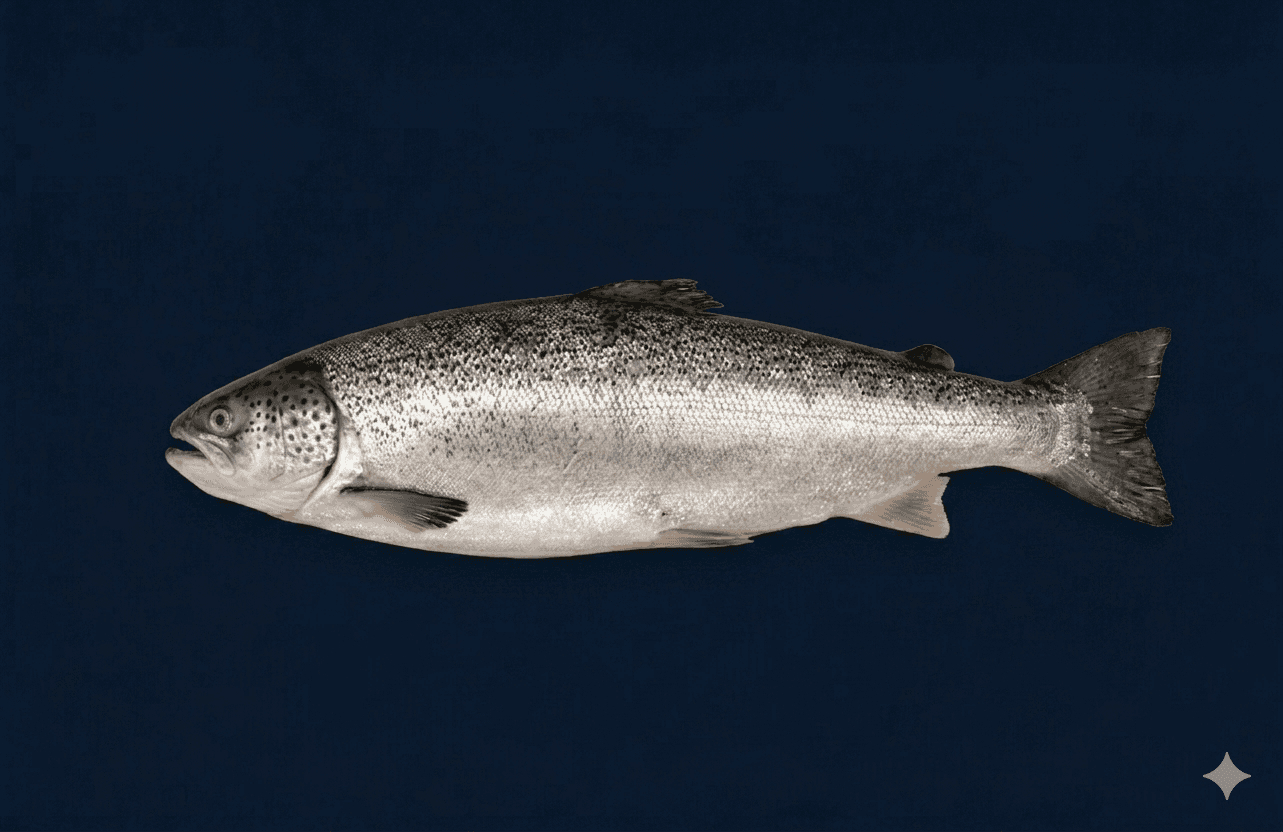
TL;DR: The salmon most Australians eat is farmed Tasmanian Atlantic salmon. It is not wild. Wild Australian salmon is a different species. Sockeye and some king salmon are the wild-caught (or New Zealand farmed) options you will actually see on a Gold Coast counter.
"Wild or farmed?" is the wrong first question in this country. The first question is which fish. Australia farms Atlantic salmon in Tasmania. Australia also has a wild fish called Australian salmon that is not a salmon at all in the cooking sense. Mixing those two up is how people leave the shop disappointed.
What the ticket usually means
| Label | Species | Wild or farmed | Fat | Colour | What it is for |
|---|---|---|---|---|---|
| Tasmanian salmon / Atlantic salmon | Salmo salar | Farmed, Tasmania | High | Orange pink | Everyday roast, pan, barbecue, sashimi |
| King Ora / king salmon | Oncorhynchus tshawytscha | Farmed, New Zealand (Akaroa / King Ora) | Very high | Deep orange | Gentle cooking, sashimi, occasions |
| Sockeye | Oncorhynchus nerka | Wild Pacific, imported | Lower | Deep red | Fast cook, grill, people who want less oil |
| Australian salmon | Arripis trutta | Wild, southern Australia | Low | Pale grey pink | Strong flavour, not a stand-in for Atlantic |
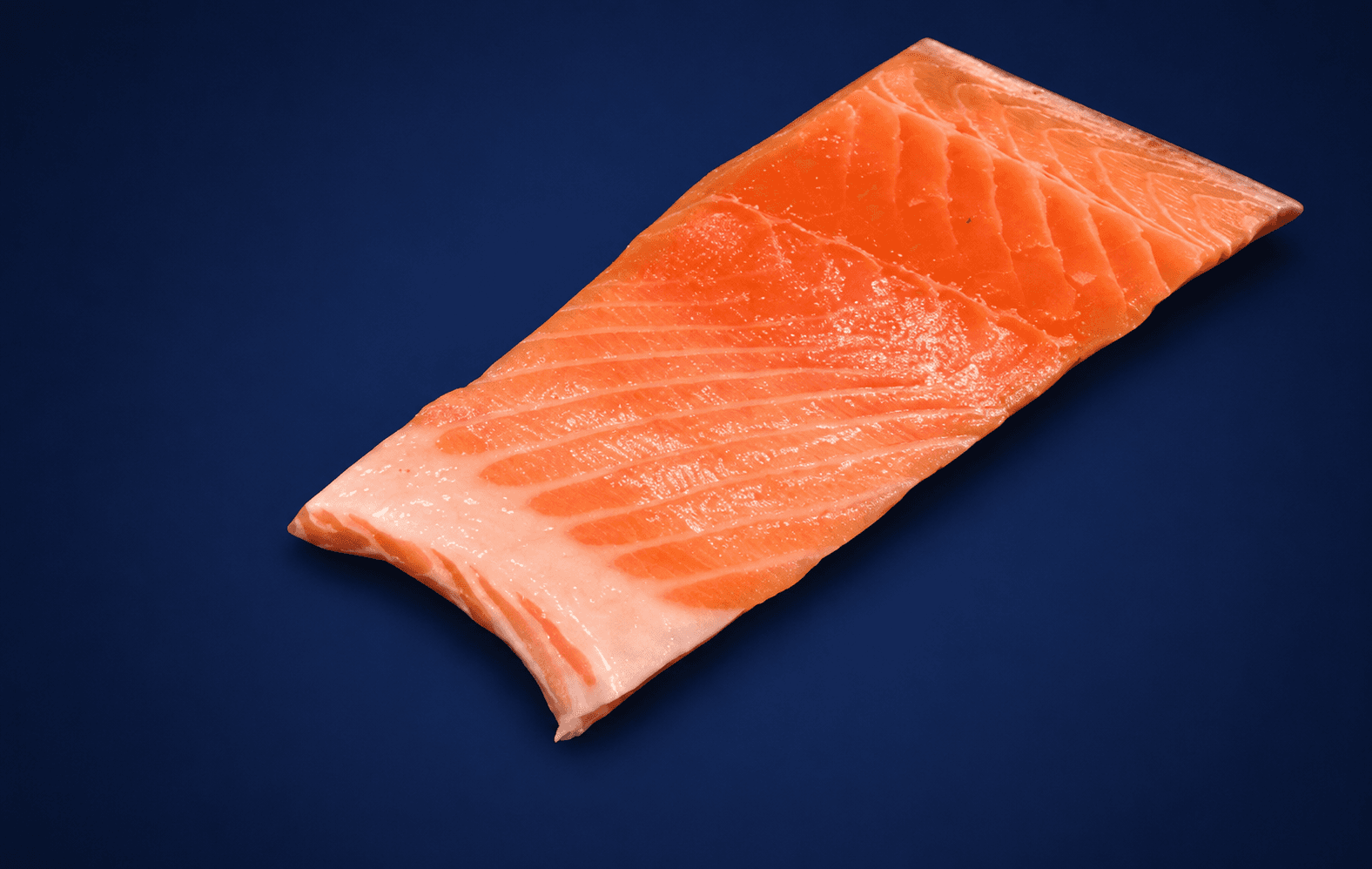
Tasmanian salmon is farmed. Tassal, Huon Aquaculture and Petuna grow Atlantic salmon in cold southern waters. That is the fillet in our 300 g portions and the whole Tassie salmon.
King salmon we sell as King Ora and Akaroa portions. Higher oil, silkier, costs more.
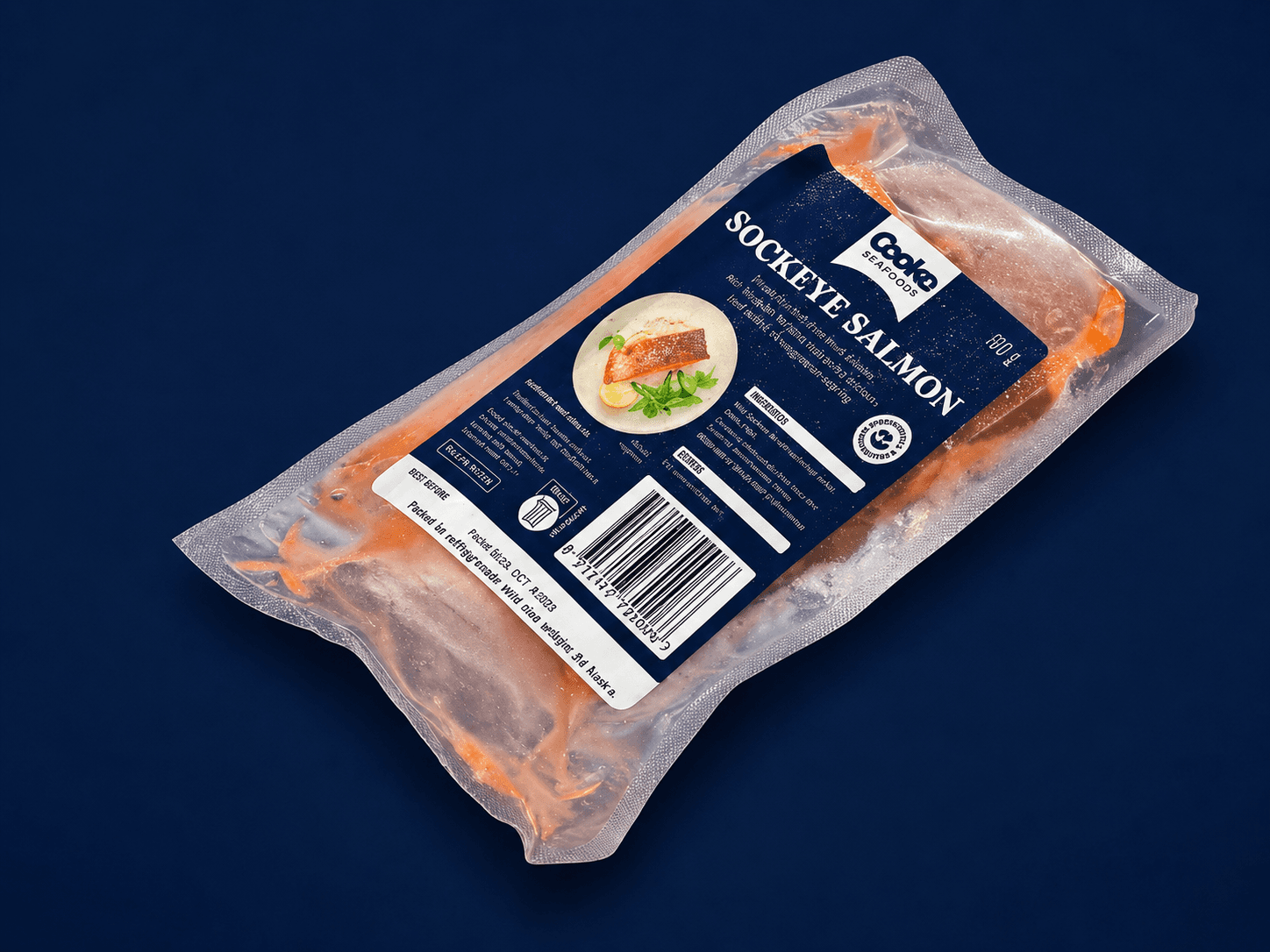
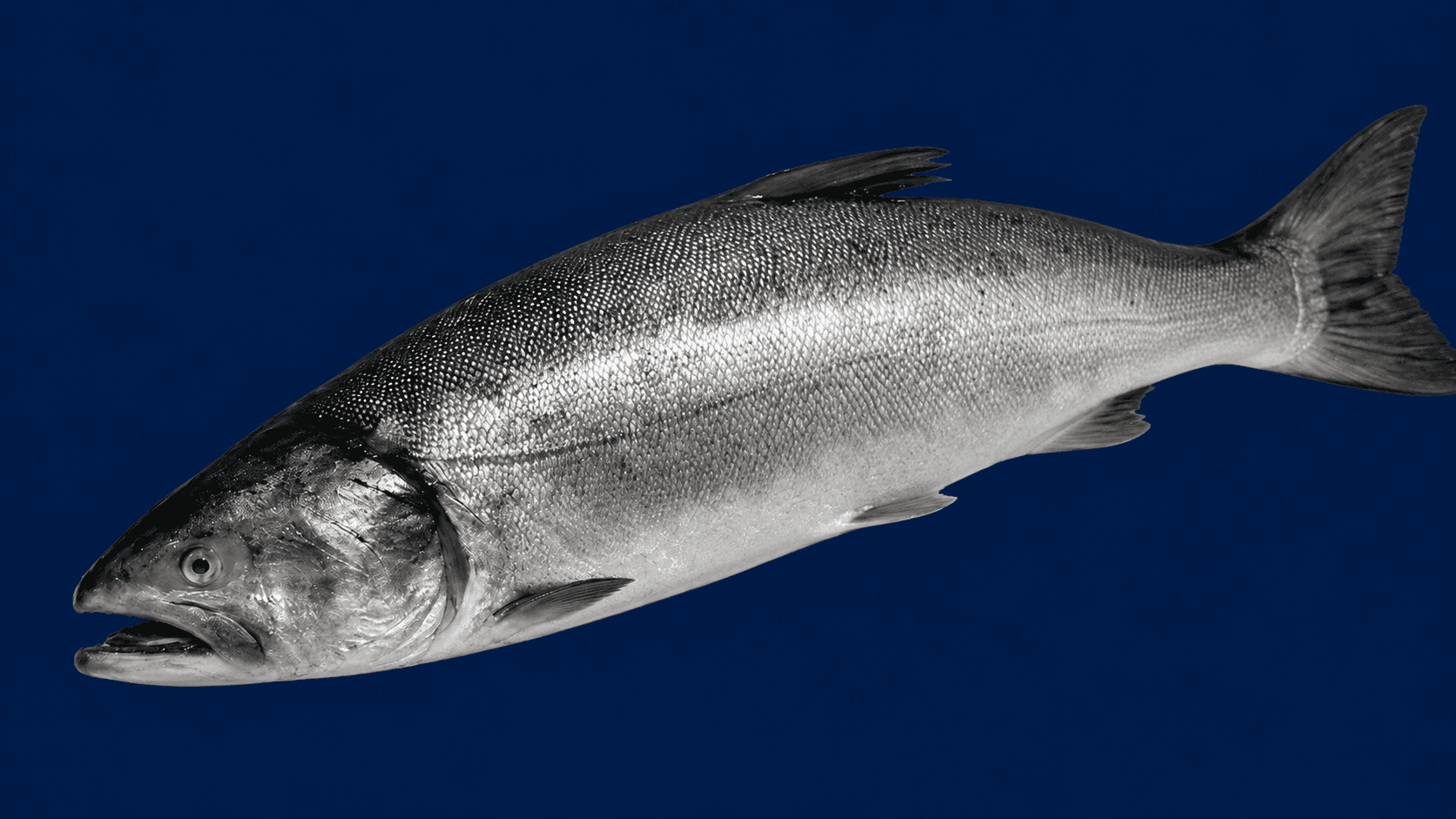
Sockeye is the dark red wild Pacific fish. Leaner. It overcooks if you treat it like Atlantic. Sockeye fillet.
Nutrition, without the slogans
Per 100 g, farmed Atlantic salmon is typically higher in total fat and omega-3 than wild sockeye, because the fish is fed for growth and the flesh is marbled. Wild sockeye is higher in protein per gram and lower in calories. Both are low-mercury relative to shark or swordfish, which is why FSANZ lists salmon as a regular-eating species.
The health difference between a farmed Tasmanian portion and a wild sockeye steak is smaller than the difference between cooking it properly and drying it out.
The farmed quality tells
Good farmed salmon:
- Flesh springs back
- Fat lines are white and even, not grey
- Smell is clean, like cucumber and sea, not ammonia
- Skin is bright, scales intact on a whole fish
Poor farmed salmon is soft, dull, and weeps a lot of white albumin the moment it hits a pan. That is age or a broken cold chain, not "because it is farmed".
Sustainability, the short version
Tasmanian Atlantic salmon is a managed aquaculture industry with third-party certifications on many sites. It is not a wild fishery. Environmental arguments about pens, waste and seals are real and they belong to the producers and the regulators. As a shop, we buy from the same named farms every week so the product is consistent.
Wild sockeye depends on Alaskan and North Pacific management. Australian salmon (Arripis) is a local wild fishery and a completely different eating experience.
What we tell people at the counter
- Weeknight dinner: Atlantic portions, skin on, pan or oven.
- Sashimi: Atlantic or King Ora, asked for as sashimi-ready. See what sashimi grade means.
- Someone who says they want "wild": sockeye, and a warning it cooks faster.
- Someone who says "Australian salmon": we explain it is not Atlantic, then we sell them flathead or mullet if they want a local wild fish.
Species names, not adjectives, are how you buy salmon well.
Species comparison for cooking: Atlantic, King and sockeye buying guide.
Shop this recipe
Everything below is stocked fresh and delivers across the Gold Coast.
Written by
The Tasman Star Team · Gold Coast fishmongers
Articles from the fishmongers at Tasman Star Seafood. We source, fillet and sell fresh seafood on the Gold Coast seven days a week, sharing seafood buying guides, cooking ideas and practical information for our customers.
Fresh seafood delivered to your door
Order online from Tasman Star Seafood, Gold Coast delivery Monday to Saturday.
More Seafood Articles
Budgeting for Seafood on a Gold Coast Event Weekend
Set a seafood meal budget for your Gold Coast event weekend. Compare prepared and whole weights, use a simple cost formula and avoid overbuying.
Buying GuidesBuying Seafood for a Gold Coast Holiday Apartment
Check the fridge, cooking equipment and building access before buying seafood for your Gold Coast holiday apartment. Includes a practical arrival checklist.
Buying GuidesCaviar vs Salmon Roe vs Tobiko: What Australians Are Actually Buying
True caviar is salted sturgeon eggs. Salmon roe, tobiko and masago are different fish eggs at different prices. A Gold Coast fishmonger's table of grain size, flavour and use.